

Sustainability
EMELIE SANDRE DESIGN - SUSTAINABLE INNOVATIONS
What If the Most Sustainable Product Is the One That Never Stops Being Reinvented?
SUSTAINABLE INNOVATIONS
The fashion and textile industry has spent years trying to answer one question. How do we make products last longer? The answers have largely focused on stronger fibres, better construction and more responsible materials. But what if durability isn’t only about how long a product survives? What if it’s about how many different lives it can live?
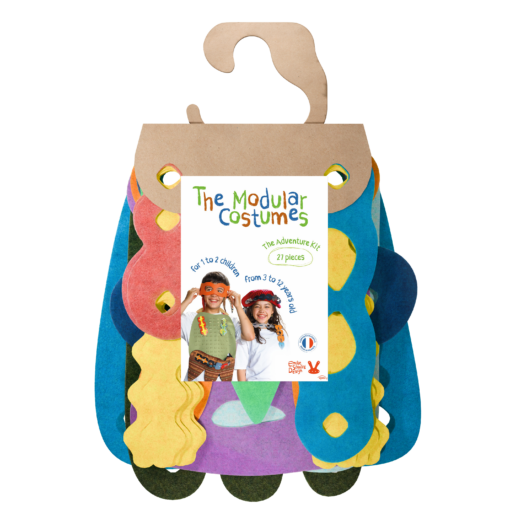
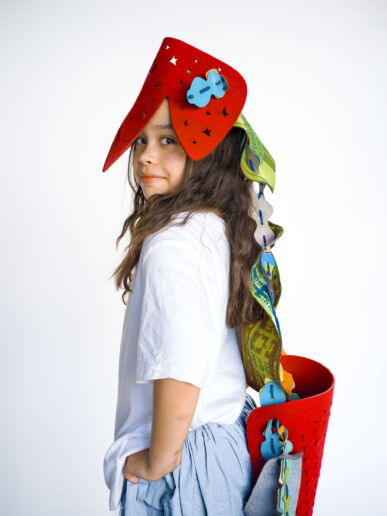
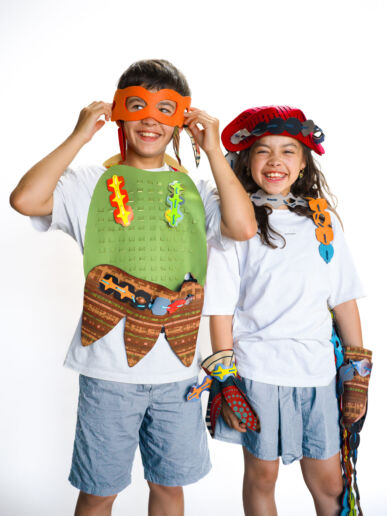
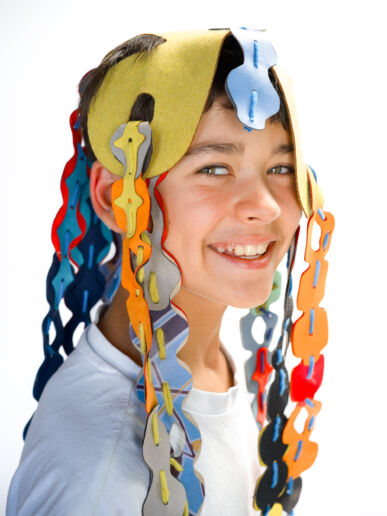
Visitors to the Sustainable Innovation space at Munich Fabric Start will discover a project that challenges exactly that through The Modular Costumes by Emilie Sandré Design.
Designing for Imagination
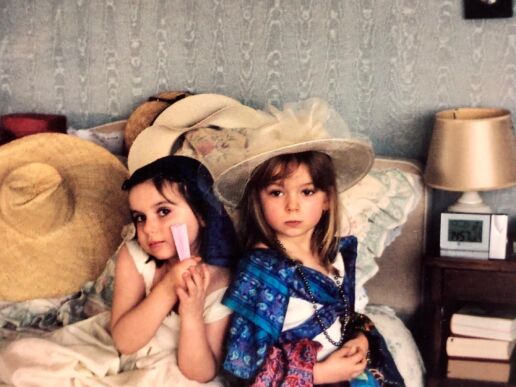
For many of us, dressing up began long before we owned a costume. A scarf became a cape. A belt became a sword. A pair of oversized shoes transformed us into someone entirely different. Designer Emilie Sandré remembers that feeling well.
As a child, she found endless joy in combining scarves, jewellery and accessories from her grandmother’s wardrobe to invent characters of her own. Yet today’s children’s costumes often arrive with the story already written: pirate, princess or knight, leaving little room for imagination. The Modular Costumes were created to change that.
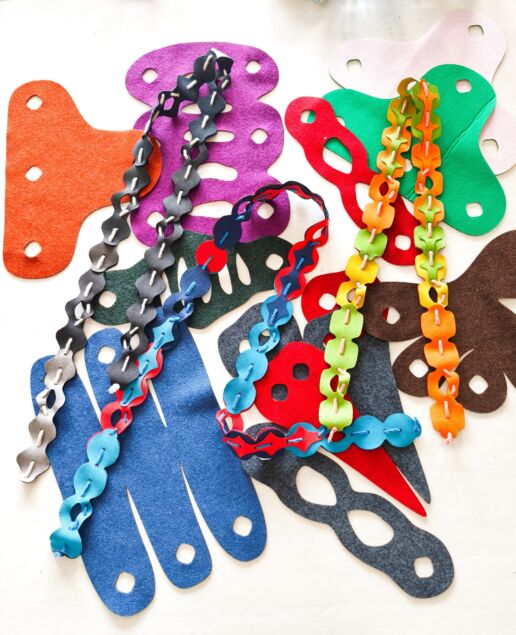
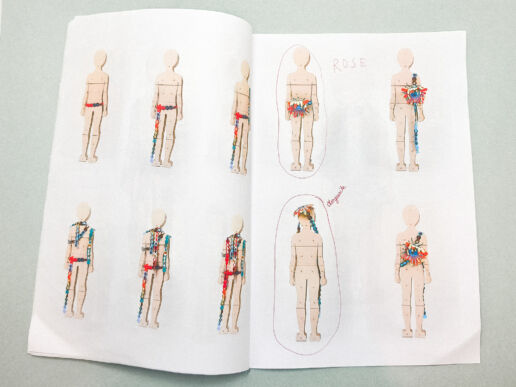
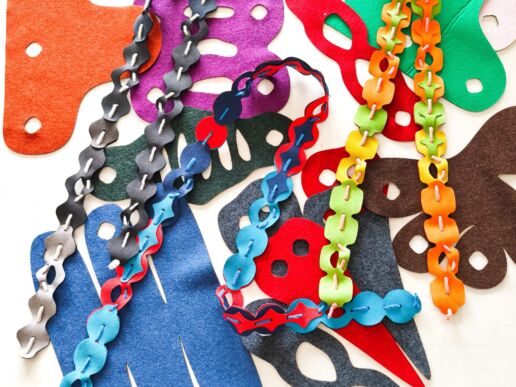
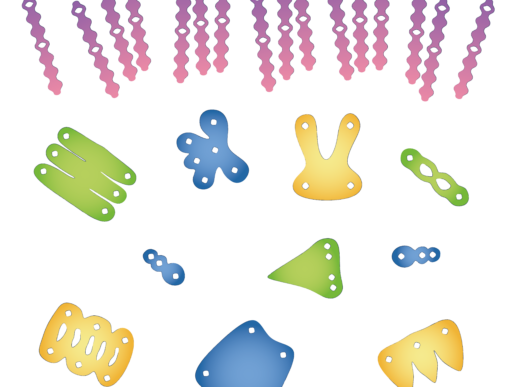
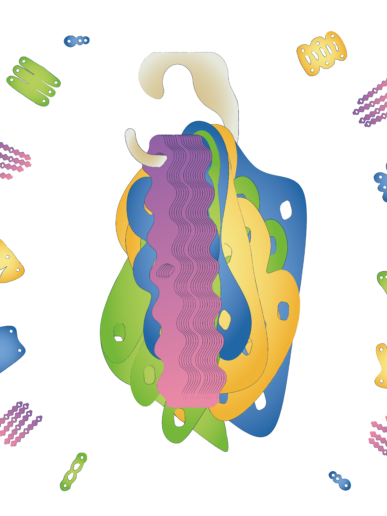
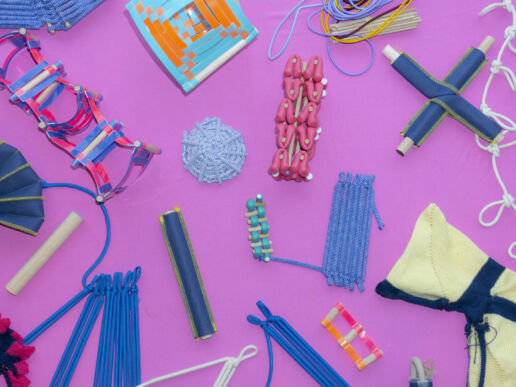
Rather than designing finished costumes, Emilie has developed a system of interchangeable modules and connectors that children assemble themselves. There are no prescribed characters, no fixed narratives and no rules beyond curiosity. Every new combination becomes another opportunity for storytelling.
“I don’t design finished products, I design systems of possibilities where the user becomes the creator.”
Modularity Beyond Function
Modularity is hardly a new concept. It has transformed architecture, furniture and industrial design for decades. Applying it to soft textiles, however, opens an entirely different conversation.
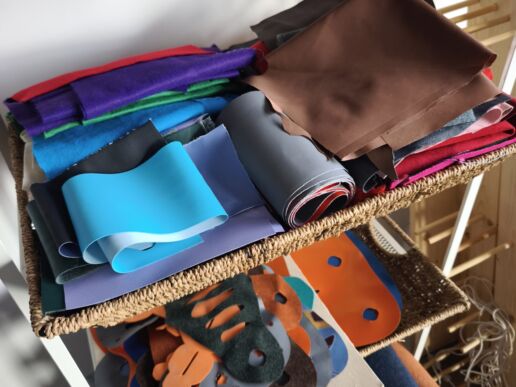
Each component of The Modular Costumes is laser cut in Paris using luxury deadstock fabrics and sample books that would otherwise be difficult to recycle. Yet the project’s greatest contribution isn’t simply material reuse.
It is the idea that products designed for continual reinvention naturally resist becoming obsolete. A costume is no longer a single object with a limited purpose. It becomes an evolving creative system that grows with its user through endless possibilities for assembly.
Innovation, after all, is not always about producing something new. Sometimes it is about allowing one product to become many.
Designing for Play
Perhaps the most compelling aspect of The Modular Costumes is that it places play at the centre of sustainable design.
In a world increasingly shaped by digital experiences, Emilie invites children to engage with materials through touch, experimentation and imagination. The act of getting dressed becomes an act of making, encouraging curiosity rather than consumption. Workshops held in schools, cafés and exhibition spaces extend this philosophy beyond the product itself, creating shared experiences that celebrate creativity and exploration.
Visitors exploring the Sustainable Innovation space at Munich Fabric Start between 14-16 July 2026, will encounter far more than an innovative children’s product. They will discover a different way of thinking about design itself. Because perhaps the greatest form of durability isn’t measured in years. It is measured in possibility.
It is good remember that the products we treasure most are often those that continue to surprise us, which in turn invites us to create, reinvent and imagine them anew long after they first entered our lives.
THIS MIGHT BE ALSO INTERESTING FOR YOU:
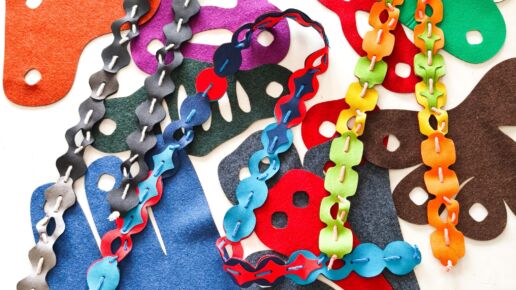
EMELIE SANDRE DESIGN – SUSTAINABLE INNOVATIONS
Modularity is hardly a new concept. It has transformed architecture, furniture and industrial design for decades. Applying it to soft textiles, however, opens an entirely different conversation.
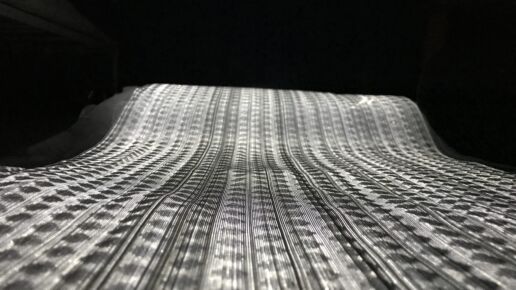
Smart Textile Design – SUSTAINABLE INNOVATIONS
We have always been driven by creativity and curiosity. Our practice evolves through prototypes, never finished, always asking more questions of materials, processes and possibilities.
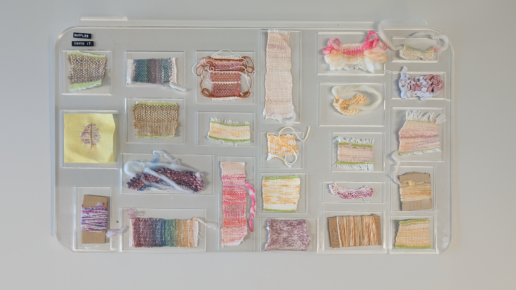
STUDIO ALICE GIELEN – SUSTAINABLE INNOVATIONS
It is an idea that feels increasingly relevant as artificial intelligence and computational design become part of fashion's creative landscape. Perhaps the future is not about humans versus machines. Perhaps it is about learning how to create together.
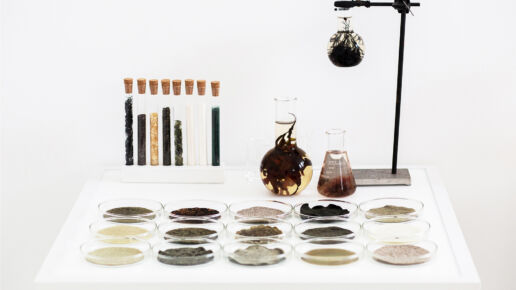
Leather from the Sea – SUSTAINABLE INNOVATIONS
"Through hands-on experimentation, I explore the potential of new surfaces and alternative forms of leather, aiming to reconnect human life with the natural world as an interconnected fabric."
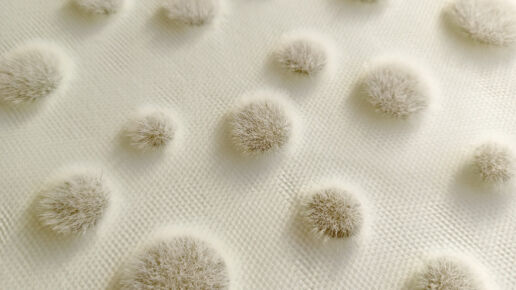
Maison du Flock – SUSTAINABLE INNOVATIONS
Working with everything from delicate tulle and lace to leather, sequins and other unconventional materials, the studio has transformed flock into a contemporary design language capable of meeting the demands of luxury fashion and Haute Couture.

MUNICH FABRIC START – January 26 closing report
A solid trade show. An optimistic mindset. That sums up the outcome of MUNICH FABRIC START. After three days, the Munich textile fair came to an end yesterday, Thursday, with the integrated show-in-shows BLUEZONE, KEYHOUSE and THE SOURCE. MUNICH FABRIC START concluded with a stable visitor frequency compared to the previous event.
MUNICH FABRIC START – Between Attitude and Sensuality
The future begins where we reimagine it. The overarching theme of PLEASURE stands for fashion as an emotional space, as an expression of attitude and cultural reflection.

KnitForm+ by Jeanne Mora – SUSTAINABLE INNOVATIONS
What matters is how the textile responds: how it regulates volume, distributes pressure, and transitions from flat to three-dimensional states. Process transparency is embedded in the methodology itself.

Cartoon – WEAR YOUR OPTIMISM
Embark on this fashionable journey and discover the new Cartoon collection at our store. Be inspired, mix and match to your heart's content, and wear optimism—every day, for every occasion.

RETRAKT – SUSTAINABLE INNOVATIONS
Performance, in this context, is measured by organisational resilience. RETRAKT applies resilience engineering to help employees anticipate, monitor, respond to, and learn from complex and changing requirements.

Smart Textile Design - SUSTAINABLE INNOVATIONS
What If Fashion's Next Material Revolution Has Already Been Made?
SUSTAINABLE INNOVATIONS
Fashion has become remarkably good at talking about new materials.
Every season introduces another fibre, another coating, another breakthrough promising to solve fashion’s environmental crisis. We celebrate innovation as though the answer must always begin with something new.
Yet among the innovators exhibiting at Sustainable Innovations space during Munich Fabric Start, taking place from 14-16 July 2026, Sara + Sarah Smart Textile Design invite us to ask a different question.
What if the next material revolution isn’t about inventing something new at all?
What if it begins by looking differently at what already exists?
“We have always been driven by creativity and curiosity. Our practice evolves through prototypes, never finished, always asking more questions of materials, processes and possibilities.”
Blurring the Boundaries Between Weaving, Print, Illumination and Technology
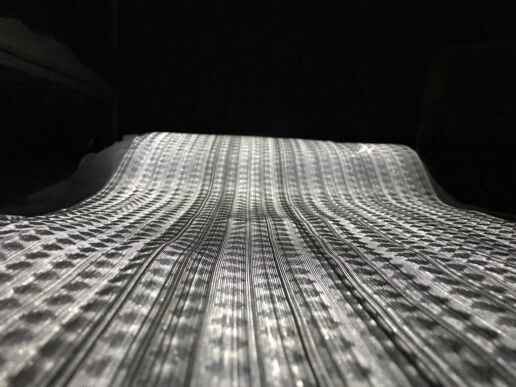
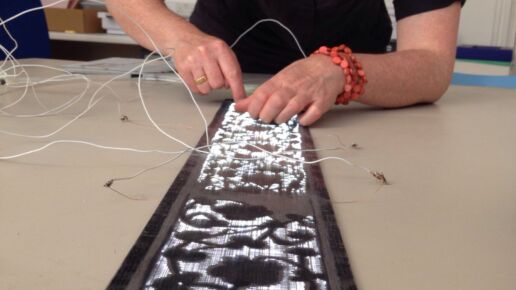
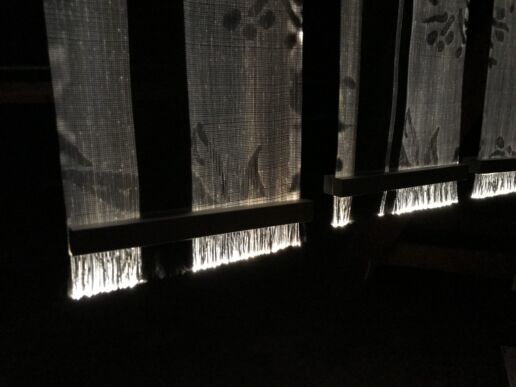
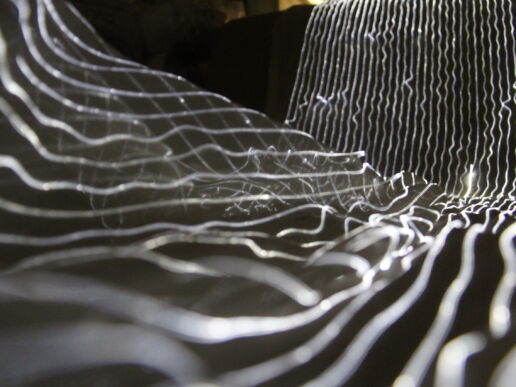
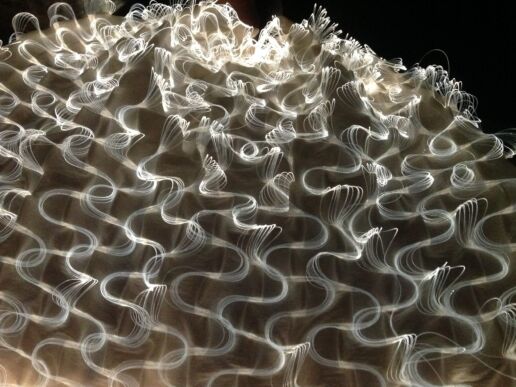
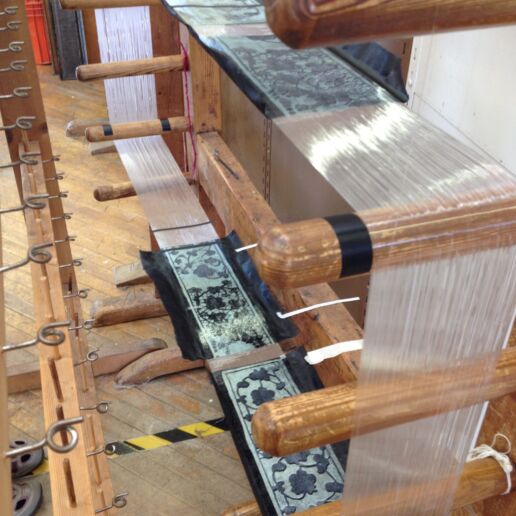
At Sustain by MUNIQUE, visitors will encounter Archiving Patterned Light, a decade-long exploration into the relationship between weave, print, light and material innovation. Rather than treating textiles as passive surfaces, Sara + Sarah reveal them as dynamic systems capable of transforming space, perception and atmosphere.
Their work moves seamlessly between handcrafted experimentation and industrial manufacture, creating textiles that respond to light in ways that challenge our expectations of what fabric can become. Cloth evolves into architecture. Surface becomes experience. Material becomes storytelling.
That spirit of exploration lies at the heart of their practice.
As Sara + Sarah explain: “We have always been driven by creativity and curiosity. Our practice evolves through prototypes, never finished, always asking more questions of materials, processes and possibilities.” It is a philosophy that runs through every piece of work they create, where experimentation is not simply part of the process but the process itself.
It is visually striking. But beauty is only part of the story.
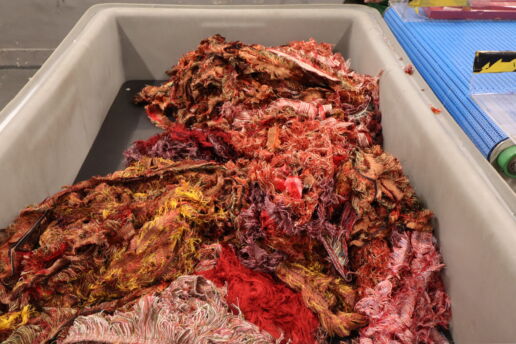
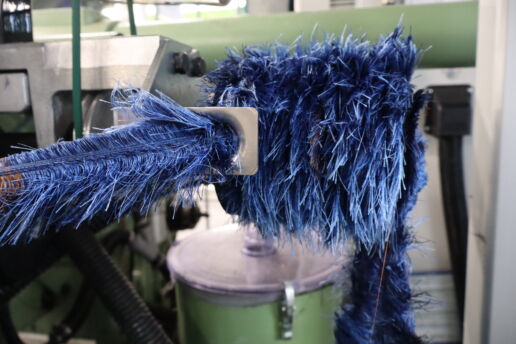
Alongside Archiving Patterned Light, the duo will also present FLOCC, a collaborative material innovation that transforms post-industrial textile waste into natural electrostatic flock fibres for print and surface design.
At first glance, the concept appears simple. Textile waste becomes a new material. Except it isn’t. Because FLOCC demonstrates something the fashion industry still struggles to embrace. Circularity is not recycling. Circularity is redesigning value.
Looking Beyond Waste
Too often, waste is treated as the inevitable consequence of production. Something to manage. Something to minimise. Something to process through increasingly sophisticated recycling technologies.
FLOCC turns that assumption on its head.
Cotton, silk and cellulose waste streams become the raw material for richly textured surfaces that allow colour and pattern to be both seen and felt. Materials once considered the end of a product’s life become the beginning of an entirely new design language.
That distinction matters.
Fashion’s future will not be shaped solely by breakthrough fibres. It will be shaped by our willingness to redesign supply chains, manufacturing systems and commercial models so that existing materials are recognised for the value they already hold.
Innovation, after all, is rarely about creating something from nothing. It is about changing how we see.
Where Heritage Meets the Future
Equally compelling is the way these projects bridge heritage craftsmanship with advanced manufacturing.
Through years of collaboration with MYB Textiles and an ecosystem of manufacturers, recyclers and material specialists, ideas born through experimentation have evolved into scalable production. The result is proof that heritage manufacturing and contemporary innovation are not competing narratives. They are complementary strengths.
Perhaps that is the biggest lesson Sara + Sarah bring to Munich this season. The textile industry often speaks about collaboration as though it were an added benefit of innovation. In reality, collaboration is the innovation.
FLOCC exists because designers, manufacturers, researchers and technical specialists chose to work across disciplines rather than within them. Knowledge travelled. Expertise overlapped. Curiosity became infrastructure.
We look forward to visitors exploring Sara + Sarah Smart Textile Design because they are not offering fascinating projects, they offer a shift in perspective.
Therefore, perhaps the most valuable resource in fashion isn’t the next miracle material waiting to be invented. Perhaps it is the extraordinary potential already sitting within the materials we have yet to recognise.
THIS MIGHT BE ALSO INTERESTING FOR YOU:
EMELIE SANDRE DESIGN – SUSTAINABLE INNOVATIONS
Modularity is hardly a new concept. It has transformed architecture, furniture and industrial design for decades. Applying it to soft textiles, however, opens an entirely different conversation.
Smart Textile Design – SUSTAINABLE INNOVATIONS
We have always been driven by creativity and curiosity. Our practice evolves through prototypes, never finished, always asking more questions of materials, processes and possibilities.
STUDIO ALICE GIELEN – SUSTAINABLE INNOVATIONS
It is an idea that feels increasingly relevant as artificial intelligence and computational design become part of fashion's creative landscape. Perhaps the future is not about humans versus machines. Perhaps it is about learning how to create together.
Leather from the Sea – SUSTAINABLE INNOVATIONS
"Through hands-on experimentation, I explore the potential of new surfaces and alternative forms of leather, aiming to reconnect human life with the natural world as an interconnected fabric."
Maison du Flock – SUSTAINABLE INNOVATIONS
Working with everything from delicate tulle and lace to leather, sequins and other unconventional materials, the studio has transformed flock into a contemporary design language capable of meeting the demands of luxury fashion and Haute Couture.
MUNICH FABRIC START – January 26 closing report
A solid trade show. An optimistic mindset. That sums up the outcome of MUNICH FABRIC START. After three days, the Munich textile fair came to an end yesterday, Thursday, with the integrated show-in-shows BLUEZONE, KEYHOUSE and THE SOURCE. MUNICH FABRIC START concluded with a stable visitor frequency compared to the previous event.
MUNICH FABRIC START – Between Attitude and Sensuality
The future begins where we reimagine it. The overarching theme of PLEASURE stands for fashion as an emotional space, as an expression of attitude and cultural reflection.
KnitForm+ by Jeanne Mora – SUSTAINABLE INNOVATIONS
What matters is how the textile responds: how it regulates volume, distributes pressure, and transitions from flat to three-dimensional states. Process transparency is embedded in the methodology itself.
Cartoon – WEAR YOUR OPTIMISM
Embark on this fashionable journey and discover the new Cartoon collection at our store. Be inspired, mix and match to your heart's content, and wear optimism—every day, for every occasion.
RETRAKT – SUSTAINABLE INNOVATIONS
Performance, in this context, is measured by organisational resilience. RETRAKT applies resilience engineering to help employees anticipate, monitor, respond to, and learn from complex and changing requirements.
STUDIO ALICE GIELEN - SUSTAINABLE INNOVATIONS
What If Designers Could Decide Colour Before the Yarn Even Exists?
SUSTAINABLE INNOVATIONS
Both the fashion and textile industry often celebrates creativity. Yet many of the industry’s creative decisions are made long before a designer ever begins designing. Colour being one of them. The thing is, by the time a designer selects yarn, someone else has already determined the available colours, sequences and combinations. Choice exists, but only within boundaries.
Moving Creativity Upstream
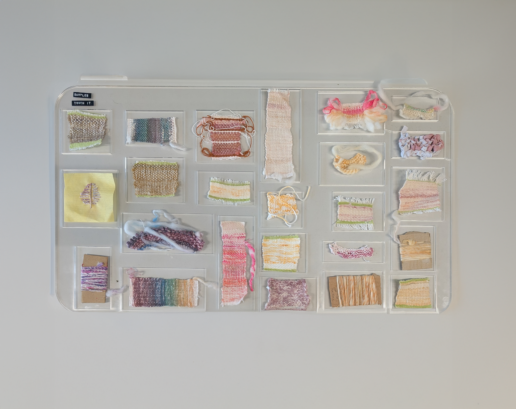
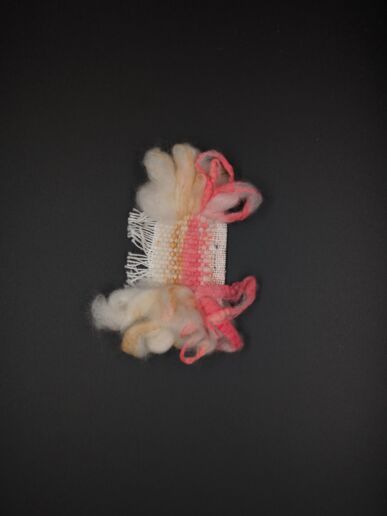
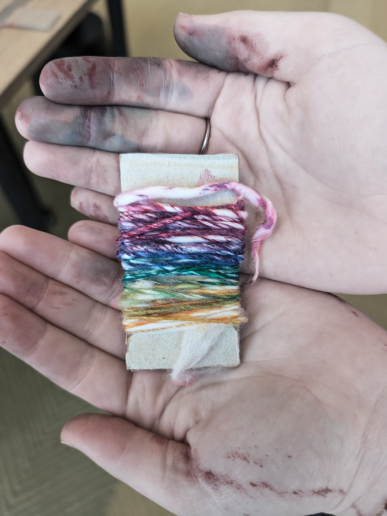
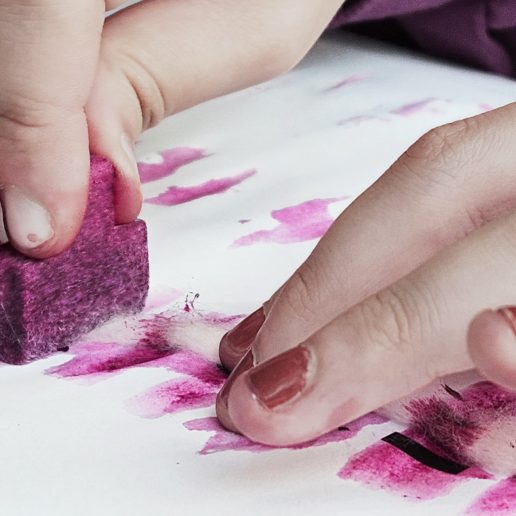
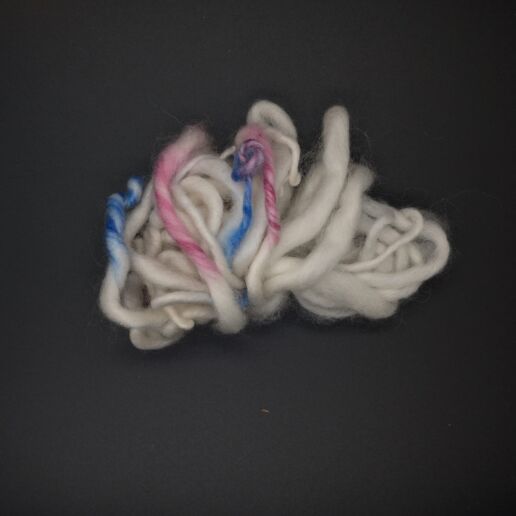
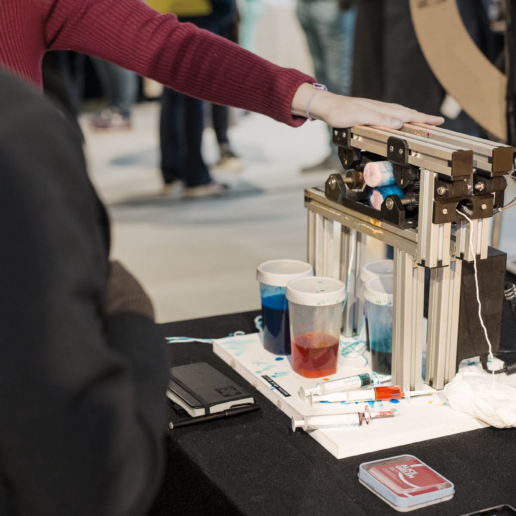
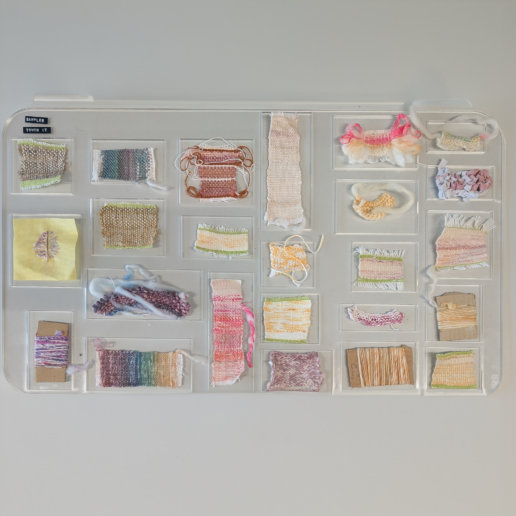
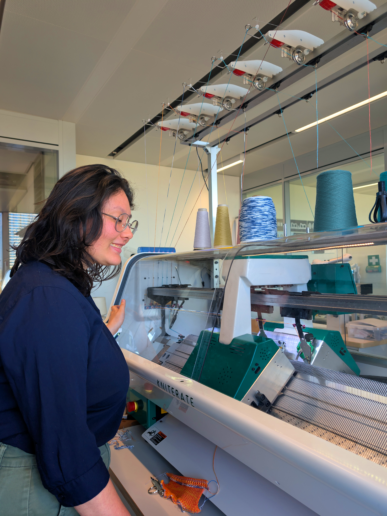
Studio Alice Gielen, the Sliver Fiber Printer reimagines one of textile production’s earliest stages. Instead of colouring yarn after it has been spun, the system applies dye directly onto loose fibre, known as sliver, before spinning takes place. This allows designers to programme colour sequences, gradients, mathematical patterns or even Morse code into the material itself before the yarn has been created. Better still, those sequences can be adjusted live, turning colour development into an active dialogue between designer, machine and material. The technology is impressive.The shift in creative ownership is even more significant.
Rethinking the Relationship Between Humans and Machines
Many of us know that it is automation is often framed as something that replaces human creativity. Studio Alice Gielen proposes something altogether different.
Rather than viewing machines as tools that simply execute instructions, the Sliver Fiber Printer creates space for collaboration. Programmed logic, material behaviour and human intuition influence one another throughout the making process, allowing unexpected outcomes to become part of the design itself.
As Alice explains: “I aim to contribute to a growing discourse that views machines not merely as tools of production but as partners in the creative process, capable of influencing both the method and the art of making.”
It is an idea that feels increasingly relevant as artificial intelligence and computational design become part of fashion’s creative landscape. Perhaps the future is not about humans versus machines. Perhaps it is about learning how to create together.
“I aim to contribute to a growing discourse that views machines not merely as tools of production but as partners in the creative process, capable of influencing both the method and the art of making.”
A Different Way to Build Textile Systems
The Sliver Fiber Printer does more than expand creative possibilities.
By moving colour decisions to an earlier stage in the production process, it gives independent designers, craftspeople and small studios greater control over experimentation while supporting small-batch production through a closed-loop, zero-water-waste dyeing process. Rather than relying on industrial forecasting to determine available yarns, designers become authors of their own material language.
This philosophy is brought to life through KI MONO, a knitted garment inspired by Japanese kasuri and ikat traditions, where algorithmic colour sequences become wearable expressions of both cultural heritage and computational design. It demonstrates that innovation can honour tradition while simultaneously expanding its possibilities.
Visitors exploring the Sustainable Innovation space at Munich Fabric Start between 14-16 July 2026, will discover a project that asks a deceptively simple question will encounter more than a new textile machine.
They will encounter a new way of thinking about authorship. Because perhaps the future of textile innovation isn’t simply about making better materials. Perhaps it is about giving designers back the freedom to shape them from the very beginning.
THIS MIGHT BE ALSO INTERESTING FOR YOU
EMELIE SANDRE DESIGN – SUSTAINABLE INNOVATIONS
Modularity is hardly a new concept. It has transformed architecture, furniture and industrial design for decades. Applying it to soft textiles, however, opens an entirely different conversation.
Smart Textile Design – SUSTAINABLE INNOVATIONS
We have always been driven by creativity and curiosity. Our practice evolves through prototypes, never finished, always asking more questions of materials, processes and possibilities.
STUDIO ALICE GIELEN – SUSTAINABLE INNOVATIONS
It is an idea that feels increasingly relevant as artificial intelligence and computational design become part of fashion's creative landscape. Perhaps the future is not about humans versus machines. Perhaps it is about learning how to create together.
Leather from the Sea – SUSTAINABLE INNOVATIONS
"Through hands-on experimentation, I explore the potential of new surfaces and alternative forms of leather, aiming to reconnect human life with the natural world as an interconnected fabric."
Maison du Flock – SUSTAINABLE INNOVATIONS
Working with everything from delicate tulle and lace to leather, sequins and other unconventional materials, the studio has transformed flock into a contemporary design language capable of meeting the demands of luxury fashion and Haute Couture.
MUNICH FABRIC START – January 26 closing report
A solid trade show. An optimistic mindset. That sums up the outcome of MUNICH FABRIC START. After three days, the Munich textile fair came to an end yesterday, Thursday, with the integrated show-in-shows BLUEZONE, KEYHOUSE and THE SOURCE. MUNICH FABRIC START concluded with a stable visitor frequency compared to the previous event.
MUNICH FABRIC START – Between Attitude and Sensuality
The future begins where we reimagine it. The overarching theme of PLEASURE stands for fashion as an emotional space, as an expression of attitude and cultural reflection.
KnitForm+ by Jeanne Mora – SUSTAINABLE INNOVATIONS
What matters is how the textile responds: how it regulates volume, distributes pressure, and transitions from flat to three-dimensional states. Process transparency is embedded in the methodology itself.
Cartoon – WEAR YOUR OPTIMISM
Embark on this fashionable journey and discover the new Cartoon collection at our store. Be inspired, mix and match to your heart's content, and wear optimism—every day, for every occasion.
RETRAKT – SUSTAINABLE INNOVATIONS
Performance, in this context, is measured by organisational resilience. RETRAKT applies resilience engineering to help employees anticipate, monitor, respond to, and learn from complex and changing requirements.
Leather from the Sea - SUSTAINABLE INNOVATIONS
What If the Future of Leather Doesn't Come from Land?
SUSTAINABLE INNOVATIONS
For decades, the search for alternatives to leather has focused on one question. What can replace it?
There has been mycelium, pineapple leaves, cactus and even apple waste. Each new material promises to reduce fashion’s environmental footprint while replicating the qualities of traditional leather. Now entering the space is designer and researcher Indrė Mikuckė who invites us to consider an entirely different possibility.
Designing with Nature, Not Against It
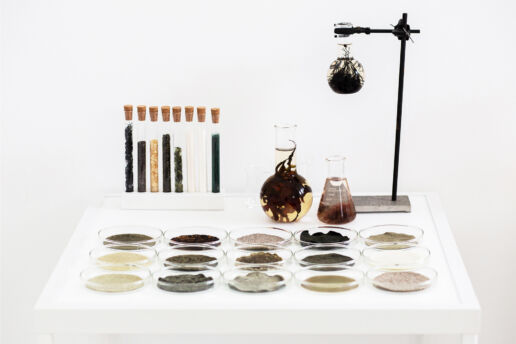
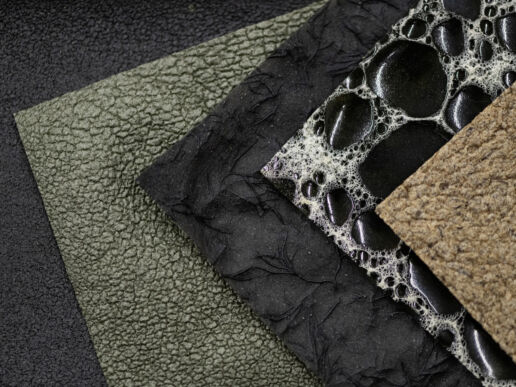
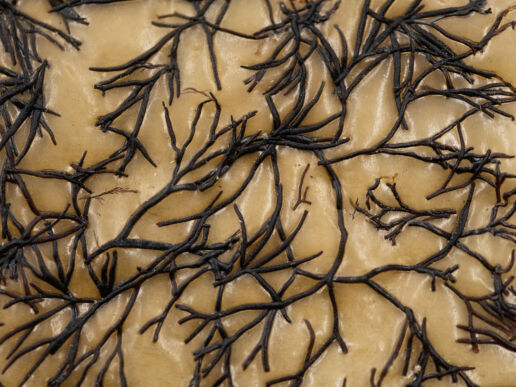
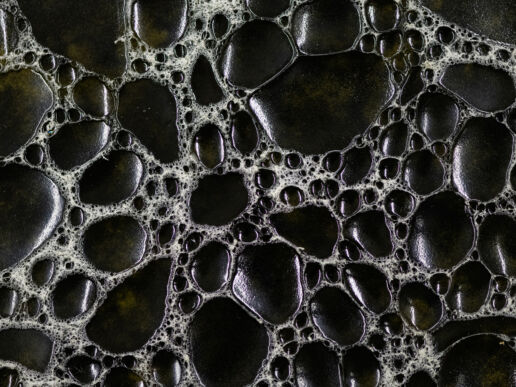
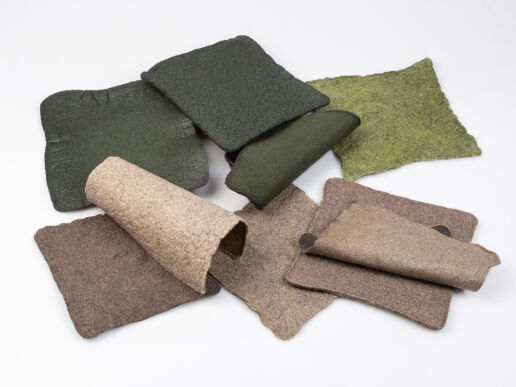
Through her research project, Leather from the Sea, Indrė explores how algae, natural ingredients and algae-derived binders can be transformed into flexible biomaterials through a process of mixing, casting and controlled drying.The resulting surfaces are not designed to perfectly imitate leather.
Instead, they celebrate the subtle irregularities, textures and tonal variations that emerge naturally during the making process. Every sample reflects the unpredictable beauty of the materials themselves, creating surfaces that feel both familiar and entirely new.
Rather than forcing nature to conform to industrial expectations, the project asks what happens when design works alongside natural processes. It is a subtle shift. But an important one.
“Through hands-on experimentation, I explore the potential of new surfaces and alternative forms of leather, aiming to reconnect human life with the natural world as an interconnected fabric.”
Looking Beyond Material Substitution
The thing is, fashion often approaches material innovation as a process of substitution. Replace one fibre. Replace one coating. Replace one material with another. However, leather from the Sea challenges that way of thinking.
Instead of simply searching for a direct replacement, Indrė is exploring an entirely different relationship between designers, materials and the natural world. Marine resources become more than ingredients. They become collaborators in developing future biomaterials that minimise environmental impact while opening new creative possibilities for fashion, accessories and interiors.
As she explains:
“Through hands-on experimentation, I explore the potential of new surfaces and alternative forms of leather, aiming to reconnect human life with the natural world as an interconnected fabric.”
It is a philosophy that places material experimentation at the centre of ecological thinking, demonstrating that innovation is as much about changing our relationship with nature as it is about changing materials.
Materials Still in Conversation
One of the most compelling aspects of Leather from the Sea is that it doesn’t claim to have all the answers. The materials remain under development, with ongoing research exploring durability, future applications and performance across fashion, accessories, interiors and experimental design.
There is an honesty in that.
Innovation is often presented as a finished product, neatly packaged and ready for market. Research rarely works that way. It is iterative, experimental and constantly evolving. Perhaps that is precisely why projects like Leather from the Sea matter.
Visitors exploring the Sustainable Innovation space at Munich Fabric Start this July won’t simply discover another leather alternative. They will encounter a designer asking bigger questions about how materials are imagined, developed and valued. Because the future of fashion may not depend solely on finding new resources.
It may depend on learning how to work more thoughtfully with the ones nature has already placed around us. Be sure to visit the Sustainable Innovation space at Munich Fabric Start, taking place from 14-16 July 2026.

THIS MIGHT BE ALSO INTERESTING FOR YOU:
EMELIE SANDRE DESIGN – SUSTAINABLE INNOVATIONS
Modularity is hardly a new concept. It has transformed architecture, furniture and industrial design for decades. Applying it to soft textiles, however, opens an entirely different conversation.
Smart Textile Design – SUSTAINABLE INNOVATIONS
We have always been driven by creativity and curiosity. Our practice evolves through prototypes, never finished, always asking more questions of materials, processes and possibilities.
STUDIO ALICE GIELEN – SUSTAINABLE INNOVATIONS
It is an idea that feels increasingly relevant as artificial intelligence and computational design become part of fashion's creative landscape. Perhaps the future is not about humans versus machines. Perhaps it is about learning how to create together.
Leather from the Sea – SUSTAINABLE INNOVATIONS
"Through hands-on experimentation, I explore the potential of new surfaces and alternative forms of leather, aiming to reconnect human life with the natural world as an interconnected fabric."
Maison du Flock – SUSTAINABLE INNOVATIONS
Working with everything from delicate tulle and lace to leather, sequins and other unconventional materials, the studio has transformed flock into a contemporary design language capable of meeting the demands of luxury fashion and Haute Couture.
MUNICH FABRIC START – January 26 closing report
A solid trade show. An optimistic mindset. That sums up the outcome of MUNICH FABRIC START. After three days, the Munich textile fair came to an end yesterday, Thursday, with the integrated show-in-shows BLUEZONE, KEYHOUSE and THE SOURCE. MUNICH FABRIC START concluded with a stable visitor frequency compared to the previous event.
MUNICH FABRIC START – Between Attitude and Sensuality
The future begins where we reimagine it. The overarching theme of PLEASURE stands for fashion as an emotional space, as an expression of attitude and cultural reflection.
KnitForm+ by Jeanne Mora – SUSTAINABLE INNOVATIONS
What matters is how the textile responds: how it regulates volume, distributes pressure, and transitions from flat to three-dimensional states. Process transparency is embedded in the methodology itself.
Cartoon – WEAR YOUR OPTIMISM
Embark on this fashionable journey and discover the new Cartoon collection at our store. Be inspired, mix and match to your heart's content, and wear optimism—every day, for every occasion.
RETRAKT – SUSTAINABLE INNOVATIONS
Performance, in this context, is measured by organisational resilience. RETRAKT applies resilience engineering to help employees anticipate, monitor, respond to, and learn from complex and changing requirements.
Maison du Flock - SUSTAINABLE INNOVATIONS
Why Fashion's Next Innovation Might Be a Craft We've Forgotten
SUSTAINABLE INNOVATIONS
There has been the argument that fashion is always fascinated by the new.New fibres. New finishes. New technologies promising to transform the industry. However, it seems that some of the most exciting innovations don’t begin with invention at all, they begin by rediscovering a craft that has quietly existed for decades and asking what it could become.
Between 14-16 July 2026, visitors to the Sustainable Innovation space at Munich Fabric Start will have the opportunity to discover exactly that through the work of Maison du Flock.
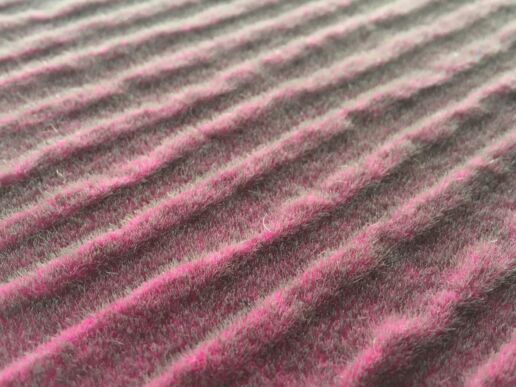
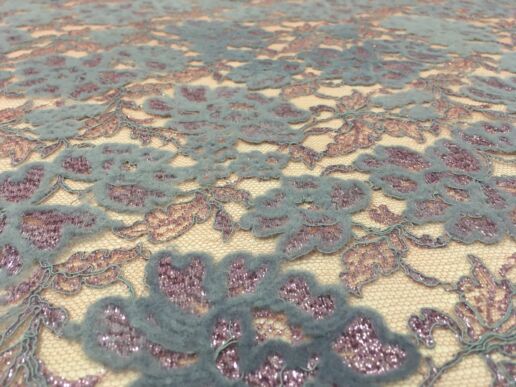
Founded in 2022, the Netherlands-based atelier specialises in experimental and limited-edition flock printing for luxury brands and Haute Couture. At a time when fashion is searching for new ways to combine craftsmanship with innovation, Maison du Flock is demonstrating that an established textile technique can still surprise us.
“Working with everything from delicate tulle and lace to leather, sequins and other unconventional materials, the studio has transformed flock into a contemporary design language capable of meeting the demands of luxury fashion and Haute Couture. Every project challenges assumptions about where the technique can be applied and how texture can elevate both craftsmanship and storytelling.”
Reimagining Flock for Luxury
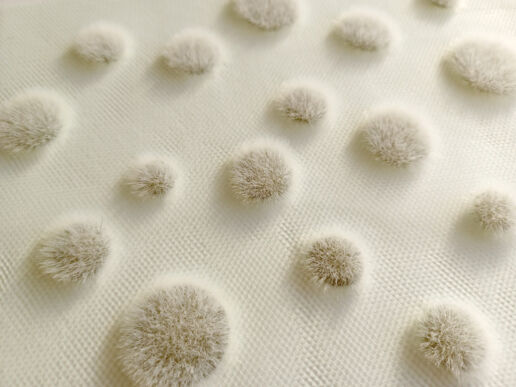
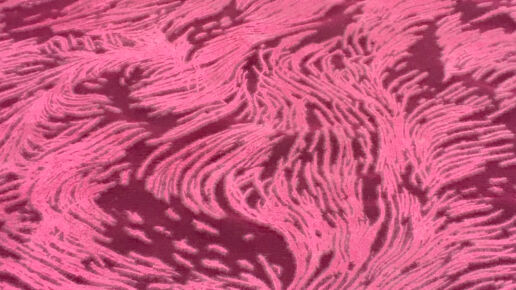
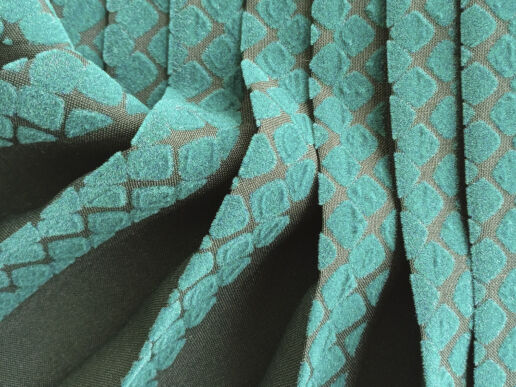
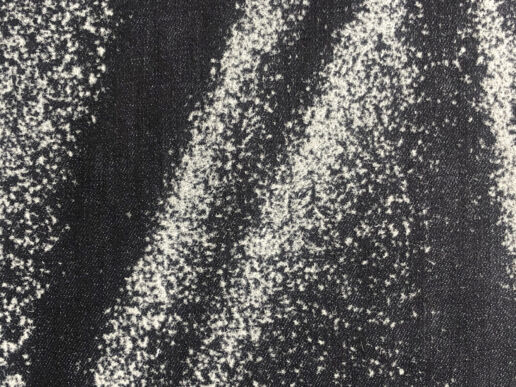
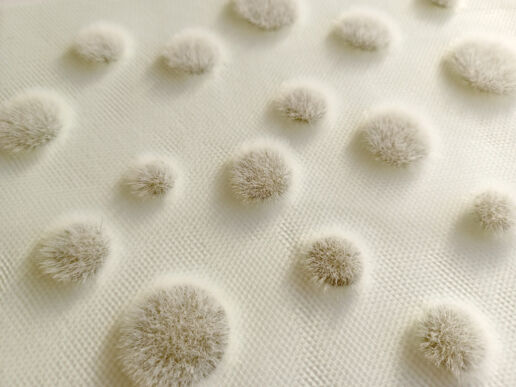
For many, flock is familiar but rarely celebrated. The electrostatic process creates a distinctive velvet-like surface by applying fine fibres onto fabric, adding richness, depth and tactility. Historically, it has often been associated with decorative applications.
Maison du Flock sees something entirely different.
Working with everything from delicate tulle and lace to leather, sequins and other unconventional materials, the studio has transformed flock into a contemporary design language capable of meeting the demands of luxury fashion and Haute Couture. Every project challenges assumptions about where the technique can be applied and how texture can elevate both craftsmanship and storytelling.
As founders Eugène and Annika explain:
“It brings out the best in both of us.”
That simple statement captures the spirit of a practice driven by technical curiosity and a shared ambition to continually push the boundaries of what flock can achieve.
Innovation Through Craft
There is a tendency within fashion to treat innovation and craftsmanship as though they belong in separate conversations. Maison du Flock quietly proves otherwise.
The studio works with luxury fashion houses across the Netherlands, France, Italy and Spain, while also collaborating with fibre innovators, textile start-ups and industry partners to explore entirely new applications for flock. Here, craftsmanship is not static. It is constantly evolving through research, experimentation and collaboration.
Innovation, after all, is rarely about creating something from nothing. It is about changing how we see.
Looking Towards a More Circular Future
That mindset extends beyond aesthetics.
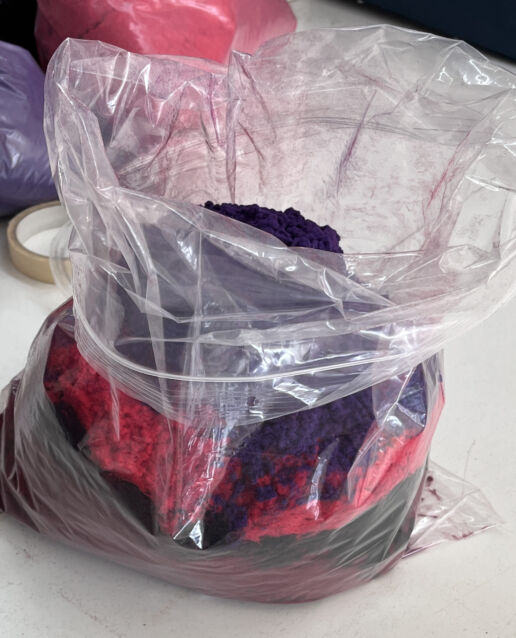
Through the FLOCC project, Maison du Flock is exploring how natural flock fibres can be created from post-industrial textile waste. By transforming existing waste streams into premium surface materials, the project demonstrates that luxury and sustainability can strengthen one another rather than compete.
It also reflects a broader shift taking place across the textile industry. The future will not simply be defined by breakthrough materials. It will be shaped by the creative partnerships that challenge established processes, rethink existing resources and expand the possibilities of traditional craftsmanship.
Visitors exploring the Sustainable Innovation space at Munich Fabric Start this July will discover more than an exceptional printing atelier. They will discover a company redefining how heritage techniques can contribute to the future of fashion. Because sometimes the most exciting innovation isn’t the newest technology. Sometimes it is seeing an overlooked craft with entirely new eyes.
THIS MIGHT BE ALSO INTERESTING FOR YOU:
EMELIE SANDRE DESIGN – SUSTAINABLE INNOVATIONS
Modularity is hardly a new concept. It has transformed architecture, furniture and industrial design for decades. Applying it to soft textiles, however, opens an entirely different conversation.
Smart Textile Design – SUSTAINABLE INNOVATIONS
We have always been driven by creativity and curiosity. Our practice evolves through prototypes, never finished, always asking more questions of materials, processes and possibilities.
STUDIO ALICE GIELEN – SUSTAINABLE INNOVATIONS
It is an idea that feels increasingly relevant as artificial intelligence and computational design become part of fashion's creative landscape. Perhaps the future is not about humans versus machines. Perhaps it is about learning how to create together.
Leather from the Sea – SUSTAINABLE INNOVATIONS
"Through hands-on experimentation, I explore the potential of new surfaces and alternative forms of leather, aiming to reconnect human life with the natural world as an interconnected fabric."
Maison du Flock – SUSTAINABLE INNOVATIONS
Working with everything from delicate tulle and lace to leather, sequins and other unconventional materials, the studio has transformed flock into a contemporary design language capable of meeting the demands of luxury fashion and Haute Couture.
MUNICH FABRIC START – January 26 closing report
A solid trade show. An optimistic mindset. That sums up the outcome of MUNICH FABRIC START. After three days, the Munich textile fair came to an end yesterday, Thursday, with the integrated show-in-shows BLUEZONE, KEYHOUSE and THE SOURCE. MUNICH FABRIC START concluded with a stable visitor frequency compared to the previous event.
MUNICH FABRIC START – Between Attitude and Sensuality
The future begins where we reimagine it. The overarching theme of PLEASURE stands for fashion as an emotional space, as an expression of attitude and cultural reflection.
KnitForm+ by Jeanne Mora – SUSTAINABLE INNOVATIONS
What matters is how the textile responds: how it regulates volume, distributes pressure, and transitions from flat to three-dimensional states. Process transparency is embedded in the methodology itself.
Cartoon – WEAR YOUR OPTIMISM
Embark on this fashionable journey and discover the new Cartoon collection at our store. Be inspired, mix and match to your heart's content, and wear optimism—every day, for every occasion.
RETRAKT – SUSTAINABLE INNOVATIONS
Performance, in this context, is measured by organisational resilience. RETRAKT applies resilience engineering to help employees anticipate, monitor, respond to, and learn from complex and changing requirements.
KnitForm+ by Jeanne Mora - SUSTAINABLE INNOVATIONS
KnitForm+ by Jeanne Mora
When Knitting Becomes Structure, Not Surface
SUSTAINABLE INNOVATIONS
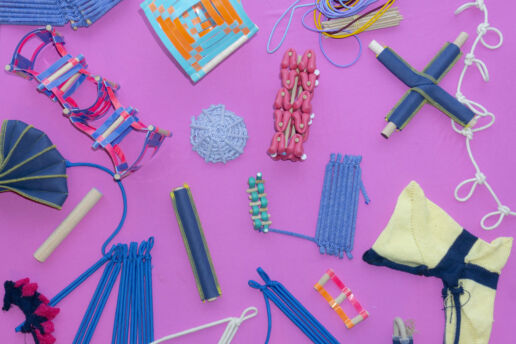
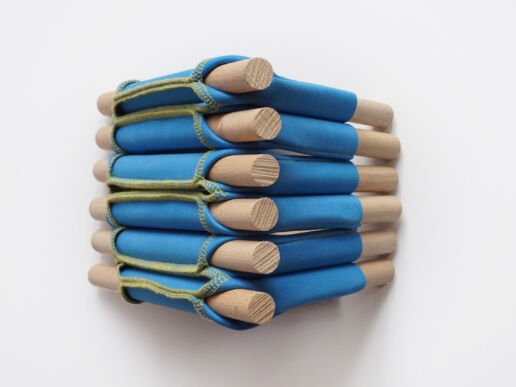
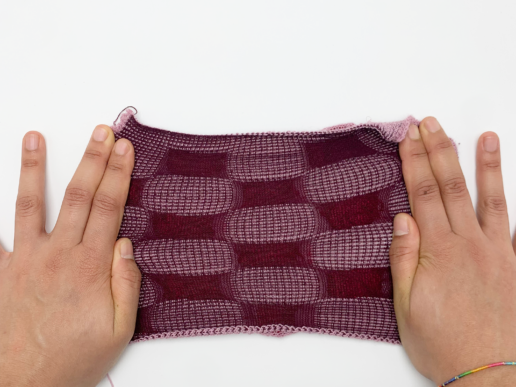
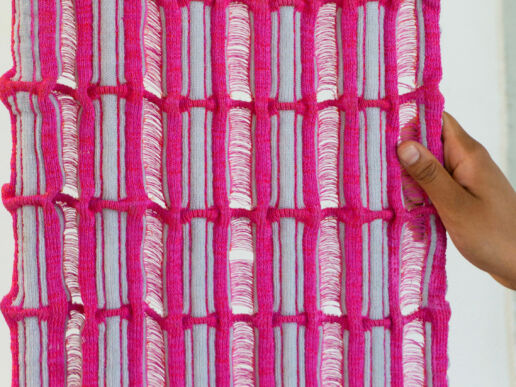
KnitForm+ is not a new yarn system or surface innovation. What makes it different is its use of knitting as a structural design method, where form, volume, and stability are generated directly through textile construction rather than imposed through frames, padding, or rigid supports.
Developed by designer Jeanne Mora, KnitForm+ positions knitting as a construction language. Stitch architecture, tension, and machine constraints become the primary drivers of form. Instead of treating these limitations as technical problems, Mora treats them as design parameters that actively shape behaviour. The result is a series of knitted structures that fold, compress, inflate, and expand through their own material logic.
Material origin is intentionally secondary to structure. KnitForm+ is not presented as a fibre innovation, but as a system for working with knitted behaviour across different material bases. What matters is how the textile responds: how it regulates volume, distributes pressure, and transitions from flat to three-dimensional states. Process transparency is embedded in the methodology itself. Each form emerges through iterative sampling, structural testing, and machine-based experimentation rather than decorative finishing.
“What matters is how the textile responds: how it regulates volume, distributes pressure, and transitions from flat to three-dimensional states. Process transparency is embedded in the methodology itself.”
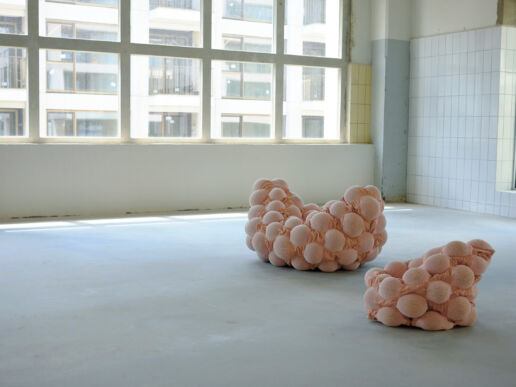
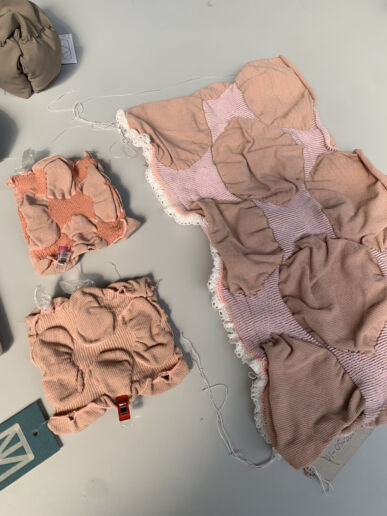
Scalability is addressed through adaptability. KnitForm+ is currently a research and design framework, not a product line. Its logic can be applied across furniture, interiors, and spatial design contexts, but requires collaboration with industrial knitting environments. The work is therefore scalable in principle, but intentionally not simplified into ready-made typologies.
Performance is defined through behaviour rather than comfort claims. The knitted structures demonstrate controlled flexibility, compression, and deformation. In pieces such as the inflatable knitted seat developed with TextielLab in Tilburg, the textile regulates volume and pressure through stitch construction alone. The trade-off is clear: these systems demand precise machine control and deep material understanding, but in return they reduce the need for secondary construction layers.
Within the wider industry context, KnitForm+ challenges the separation between textile design and product engineering. It positions knitting as a tool for structural problem-solving, not surface styling. For furniture designers, textile developers, and manufacturers, it suggests a shift from textiles as coverings to textiles as frameworks.
KnitForm+ does not claim to optimise production or solve sustainability through material substitution. Its contribution is more fundamental. It proposes that textiles can be active construction systems, capable of shaping form, behaviour, and function directly.
For Jeanne Mora, success is not measured in product replication, but in establishing knitting as a structural design discipline with industrial relevance. KnitForm+ is less about what knitting looks like, and more about what knitting can do.
THIS MIGHT BE ALSO INTERESTING FOR YOU:
EMELIE SANDRE DESIGN – SUSTAINABLE INNOVATIONS
Modularity is hardly a new concept. It has transformed architecture, furniture and industrial design for decades. Applying it to soft textiles, however, opens an entirely different conversation.
Smart Textile Design – SUSTAINABLE INNOVATIONS
We have always been driven by creativity and curiosity. Our practice evolves through prototypes, never finished, always asking more questions of materials, processes and possibilities.
STUDIO ALICE GIELEN – SUSTAINABLE INNOVATIONS
It is an idea that feels increasingly relevant as artificial intelligence and computational design become part of fashion's creative landscape. Perhaps the future is not about humans versus machines. Perhaps it is about learning how to create together.
Leather from the Sea – SUSTAINABLE INNOVATIONS
"Through hands-on experimentation, I explore the potential of new surfaces and alternative forms of leather, aiming to reconnect human life with the natural world as an interconnected fabric."
Maison du Flock – SUSTAINABLE INNOVATIONS
Working with everything from delicate tulle and lace to leather, sequins and other unconventional materials, the studio has transformed flock into a contemporary design language capable of meeting the demands of luxury fashion and Haute Couture.
MUNICH FABRIC START – January 26 closing report
A solid trade show. An optimistic mindset. That sums up the outcome of MUNICH FABRIC START. After three days, the Munich textile fair came to an end yesterday, Thursday, with the integrated show-in-shows BLUEZONE, KEYHOUSE and THE SOURCE. MUNICH FABRIC START concluded with a stable visitor frequency compared to the previous event.
MUNICH FABRIC START – Between Attitude and Sensuality
The future begins where we reimagine it. The overarching theme of PLEASURE stands for fashion as an emotional space, as an expression of attitude and cultural reflection.
KnitForm+ by Jeanne Mora – SUSTAINABLE INNOVATIONS
What matters is how the textile responds: how it regulates volume, distributes pressure, and transitions from flat to three-dimensional states. Process transparency is embedded in the methodology itself.
Cartoon – WEAR YOUR OPTIMISM
Embark on this fashionable journey and discover the new Cartoon collection at our store. Be inspired, mix and match to your heart's content, and wear optimism—every day, for every occasion.
RETRAKT – SUSTAINABLE INNOVATIONS
Performance, in this context, is measured by organisational resilience. RETRAKT applies resilience engineering to help employees anticipate, monitor, respond to, and learn from complex and changing requirements.
RETRAKT - SUSTAINABLE INNOVATIONS
RETRAKT: From Circular Ambition to Operational Reality
SUSTAINABLE INNOVATIONS
RETRAKT is not a new material, fibre, or fabric system. What makes it different is more fundamental: it is a research-based transformation framework designed to help textile and apparel companies actually implement circular economy requirements inside day-to-day operations. At a time when circularity is becoming mandatory under EU legislation, RETRAKT focuses on the gap most companies struggle with: translating regulation into workable processes across design, sourcing, production, and data management.
Developed as part of the research project “Resilient Transformation Management for the Circular Economy in the Textile Industry”, RETRAKT addresses circularity as a socio-technical challenge, not a purely technical one. Its core innovation lies in combining product compliance management, resilience engineering, and employee-centred process design to help companies shift from linear to circular value creation in a structured, realistic way.
“Performance, in this context, is measured by organisational resilience. RETRAKT applies resilience engineering to help employees anticipate, monitor, respond to, and learn from complex and changing requirements.”
Rather than making sustainability claims, RETRAKT starts with regulatory facts. New EU textile legislation, including requirements linked to the EU Textile Strategy 2030, will make circular design, transparency, and traceability legally binding. RETRAKT systematically analyses these laws and translates them into concrete tasks for companies, from material selection and design decisions to supplier communication and data documentation.
Compliance is treated as the backbone of circularity, not an afterthought. Therefore, traceability within RETRAKT is approached through process transparency rather than labels. The project develops methods to document workflows, responsibilities, and decision paths inside companies, supported by a planned Digital Cooperation Platform. This platform is intended to support collaboration across international value chains and to prepare companies for future requirements such as the Digital Product Passport.
In terms of scalability, RETRAKT is not a lab experiment but a practice-oriented research project running from 2025 to 2028, implemented directly within partner companies from the textile and apparel industry. Its scalability lies in its transferability: the procedures, tools, and methods developed are designed to be adapted by other companies and, in the longer term, potentially by other industries facing similar regulatory pressure.
Performance, in this context, is measured by organisational resilience. RETRAKT applies resilience engineering to help employees anticipate, monitor, respond to, and learn from complex and changing requirements. This human-centred approach recognises that circularity will only work if people inside companies are enabled to manage uncertainty and complexity, rather than being overwhelmed by it.
RETRAKT positions itself clearly within the wider industry shift away from voluntary sustainability towards mandatory circular compliance. It is most relevant to brands, manufacturers, and suppliers who recognise that future competitiveness will depend not just on better materials, but on better systems.
Success for RETRAKT is not a single product outcome. It is the creation of a repeatable, resilient model for circular transformation that companies can realistically use.
THIS MIGHT BE ALSO INTERESTING FOR YOU:
EMELIE SANDRE DESIGN – SUSTAINABLE INNOVATIONS
Modularity is hardly a new concept. It has transformed architecture, furniture and industrial design for decades. Applying it to soft textiles, however, opens an entirely different conversation.
Smart Textile Design – SUSTAINABLE INNOVATIONS
We have always been driven by creativity and curiosity. Our practice evolves through prototypes, never finished, always asking more questions of materials, processes and possibilities.
STUDIO ALICE GIELEN – SUSTAINABLE INNOVATIONS
It is an idea that feels increasingly relevant as artificial intelligence and computational design become part of fashion's creative landscape. Perhaps the future is not about humans versus machines. Perhaps it is about learning how to create together.
Leather from the Sea – SUSTAINABLE INNOVATIONS
"Through hands-on experimentation, I explore the potential of new surfaces and alternative forms of leather, aiming to reconnect human life with the natural world as an interconnected fabric."
Maison du Flock – SUSTAINABLE INNOVATIONS
Working with everything from delicate tulle and lace to leather, sequins and other unconventional materials, the studio has transformed flock into a contemporary design language capable of meeting the demands of luxury fashion and Haute Couture.
MUNICH FABRIC START – January 26 closing report
A solid trade show. An optimistic mindset. That sums up the outcome of MUNICH FABRIC START. After three days, the Munich textile fair came to an end yesterday, Thursday, with the integrated show-in-shows BLUEZONE, KEYHOUSE and THE SOURCE. MUNICH FABRIC START concluded with a stable visitor frequency compared to the previous event.
MUNICH FABRIC START – Between Attitude and Sensuality
The future begins where we reimagine it. The overarching theme of PLEASURE stands for fashion as an emotional space, as an expression of attitude and cultural reflection.
KnitForm+ by Jeanne Mora – SUSTAINABLE INNOVATIONS
What matters is how the textile responds: how it regulates volume, distributes pressure, and transitions from flat to three-dimensional states. Process transparency is embedded in the methodology itself.
Cartoon – WEAR YOUR OPTIMISM
Embark on this fashionable journey and discover the new Cartoon collection at our store. Be inspired, mix and match to your heart's content, and wear optimism—every day, for every occasion.
RETRAKT – SUSTAINABLE INNOVATIONS
Performance, in this context, is measured by organisational resilience. RETRAKT applies resilience engineering to help employees anticipate, monitor, respond to, and learn from complex and changing requirements.
MATERIA FUTURA - SUSTAINABLE INNOVATIONS
MATERIA FUTURA: Reclaiming Sensory Desire in Bio-Based Materials
SUSTAINABLE INNOVATIONS
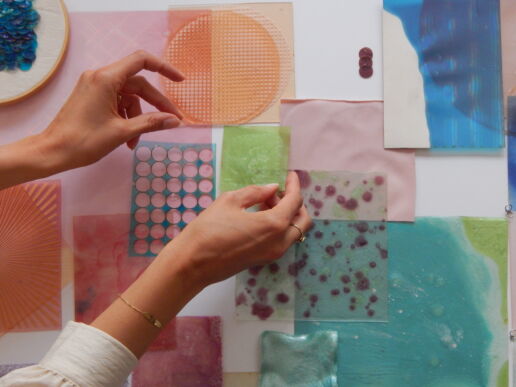
Materia Futura is not proposing a new bio-material category, nor a finished commercial textile. What distinguishes the project is its design-led investigation into the emotional and aesthetic dimensions of bio-based materials, an area often sidelined in sustainability discourse. Founded by Alessia Pasquini and Beatriz Sandini, Materia Futura asks a direct question: why are sustainable materials still expected to look raw, muted, or purely functional?
Developed as a design research project in early 2025, Materia Futura explores how biomaterials can engage the senses through shimmer, iridescence, surface depth, and visual movement. Rather than treating these qualities as superficial, the project positions them as critical to human connection and long-term material adoption. Its first outcomes were presented at Dutch Design Week 2025 as part of the exhibition Basic Instinct: Making–With. The first phase of the research was developed in collaboration Paulina Martina, a digital designer, who worked on the virtual reality component. Part of that initial phase focused on creating a connection between the physical materials and the virtual world. You will find more info about this aspect on the Materia Futura website.
“Sustainability should not only be responsible, but also desirable – able to shimmer, glow, and connect with our senses.”

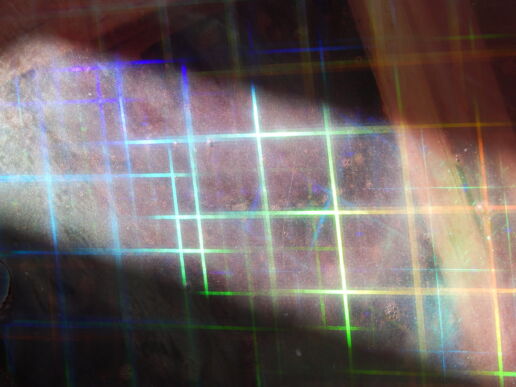
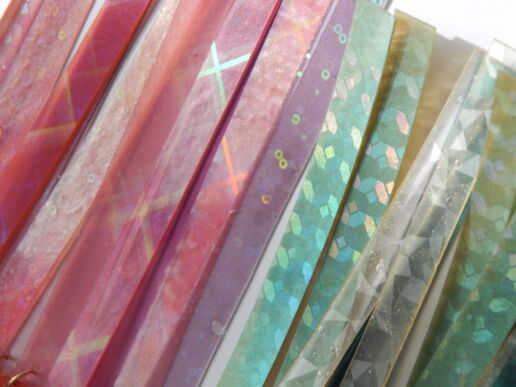

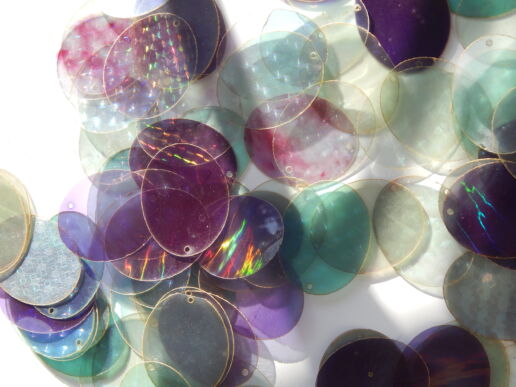

The work combines bio-based material experimentation with traditional craft techniques, using hands-on processes to push beyond the visual language typically associated with sustainable design. Effects such as chromatic shifts, moiré patterns, and layered textures are explored not as decoration, but as inherent material expressions inspired by natural phenomena. While earlier phases of the project investigated links between physical materials and digital or immersive environments, the designers are currently reassessing how and whether these components will continue in future iterations.
Materia Futura is firmly in a research and exploratory phase. The materials developed are not yet positioned for immediate industrial scale or collection integration. Instead, the project functions as a provocation and a testing ground, relevant to designers, material developers, and brands interested in expanding how sustainability is perceived, communicated, and desired.
In the wider material landscape, Materia Futura challenges the assumption that responsible materials must be visually restrained to be credible. Its contribution lies in reframing sustainability as something that can be sensory, expressive, and culturally resonant, without denying its biological or ethical foundations.
For Pasquini and Sandini, success is not defined by a single material outcome, but by opening space for a richer, more emotionally literate future for bio-based design.


THIS MIGHT BE ALSO INTERESTING FOR YOU:
EMELIE SANDRE DESIGN – SUSTAINABLE INNOVATIONS
Modularity is hardly a new concept. It has transformed architecture, furniture and industrial design for decades. Applying it to soft textiles, however, opens an entirely different conversation.
Smart Textile Design – SUSTAINABLE INNOVATIONS
We have always been driven by creativity and curiosity. Our practice evolves through prototypes, never finished, always asking more questions of materials, processes and possibilities.
STUDIO ALICE GIELEN – SUSTAINABLE INNOVATIONS
It is an idea that feels increasingly relevant as artificial intelligence and computational design become part of fashion's creative landscape. Perhaps the future is not about humans versus machines. Perhaps it is about learning how to create together.
Leather from the Sea – SUSTAINABLE INNOVATIONS
"Through hands-on experimentation, I explore the potential of new surfaces and alternative forms of leather, aiming to reconnect human life with the natural world as an interconnected fabric."
Maison du Flock – SUSTAINABLE INNOVATIONS
Working with everything from delicate tulle and lace to leather, sequins and other unconventional materials, the studio has transformed flock into a contemporary design language capable of meeting the demands of luxury fashion and Haute Couture.
MUNICH FABRIC START – January 26 closing report
A solid trade show. An optimistic mindset. That sums up the outcome of MUNICH FABRIC START. After three days, the Munich textile fair came to an end yesterday, Thursday, with the integrated show-in-shows BLUEZONE, KEYHOUSE and THE SOURCE. MUNICH FABRIC START concluded with a stable visitor frequency compared to the previous event.
MUNICH FABRIC START – Between Attitude and Sensuality
The future begins where we reimagine it. The overarching theme of PLEASURE stands for fashion as an emotional space, as an expression of attitude and cultural reflection.
KnitForm+ by Jeanne Mora – SUSTAINABLE INNOVATIONS
What matters is how the textile responds: how it regulates volume, distributes pressure, and transitions from flat to three-dimensional states. Process transparency is embedded in the methodology itself.
Cartoon – WEAR YOUR OPTIMISM
Embark on this fashionable journey and discover the new Cartoon collection at our store. Be inspired, mix and match to your heart's content, and wear optimism—every day, for every occasion.
RETRAKT – SUSTAINABLE INNOVATIONS
Performance, in this context, is measured by organisational resilience. RETRAKT applies resilience engineering to help employees anticipate, monitor, respond to, and learn from complex and changing requirements.
THREADED PROTOCOLS - SUSTAINABLE INNOVATIONS
THREADED PROTOCOLS:
When Weaving Becomes Computation Again
Explore these innovative projects at the Sustainable Innovations Forum in the Keyhouse in Hall 2
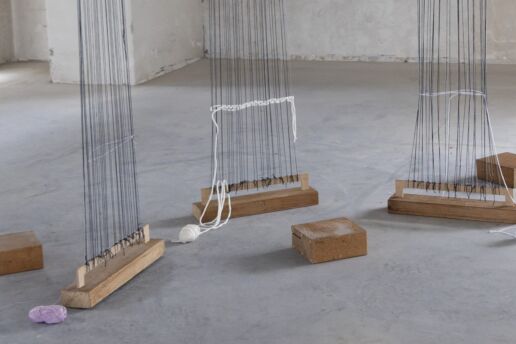
Threaded Protocols is not a textile innovation in the commercial sense, nor a digital tool disguised as craft. What makes the work distinct is its material investigation into how computational logic originates in textile practice and what is lost when those logics are abstracted into opaque technological systems.
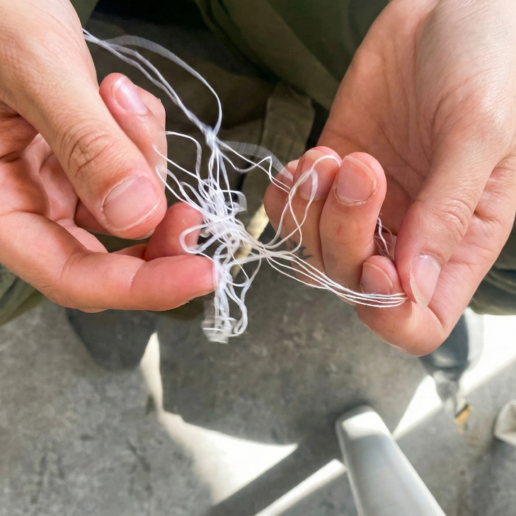
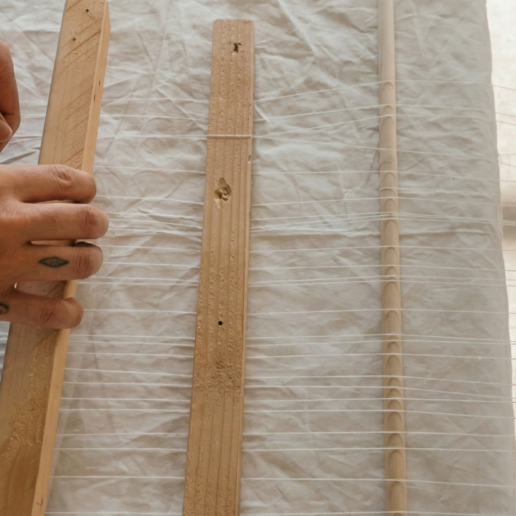
Developed by artist and researcher Floor Berkhout, Threaded Protocols explores the structural relationship between weaving and computing. Both rely on binary decisions, pattern execution, and logical sequencing. Historically, the loom was the first computer. Threaded Protocols returns to this origin, using textile-making to expose the physical, gestural nature of computation that contemporary digital infrastructures have largely hidden.
Berkhout’s practice operates as a critical technical practice, working through craft methodologies to understand how protocols function materially. In Threaded Protocols, each crossing of threads becomes a binary operation: in front or behind, zero or one. Meaning emerges slowly, through repetition and attention, rather than speed or optimisation. This slowness is deliberate. It draws from perma-computing principles, which question the inevitability of fast, extractive technological progress and its influence on both digital systems and the textile industry.
The project also foregrounds the gendered history of both textile labour and computation, from 19th-century weaving rooms to the women who worked as “computers” in the mid-20th century. By re-embedding computation in the hands, Threaded Protocols seeks to reclaim agency that has been stripped away through industrialisation and black-box technologies.
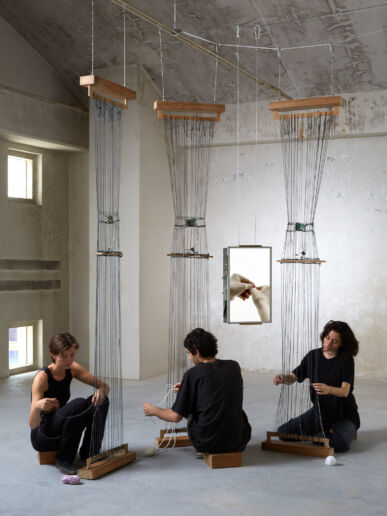
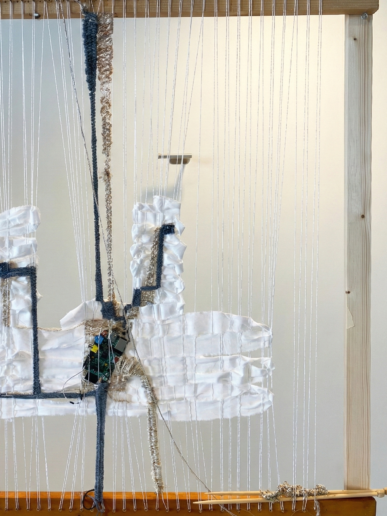
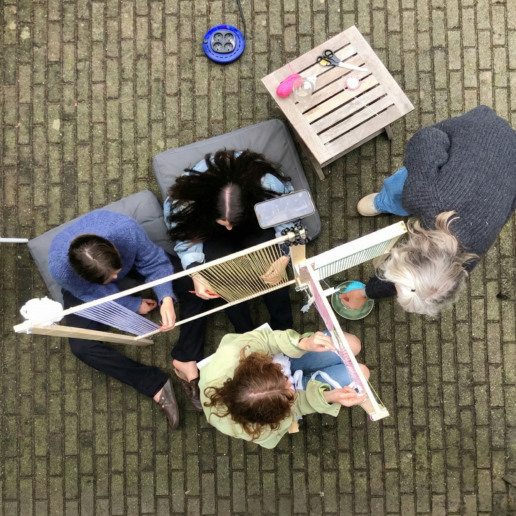
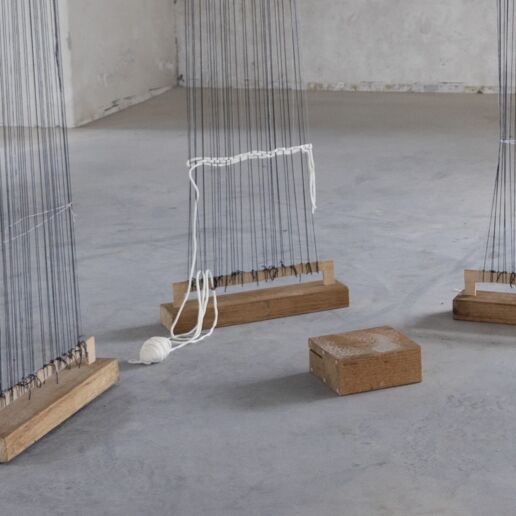
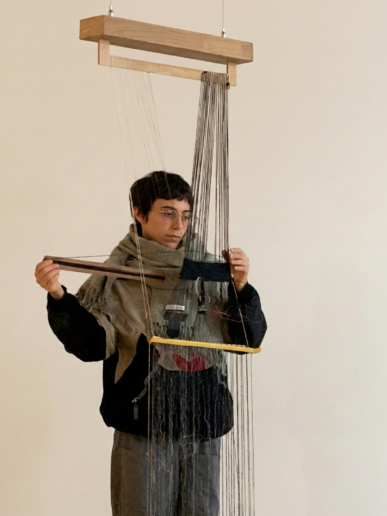
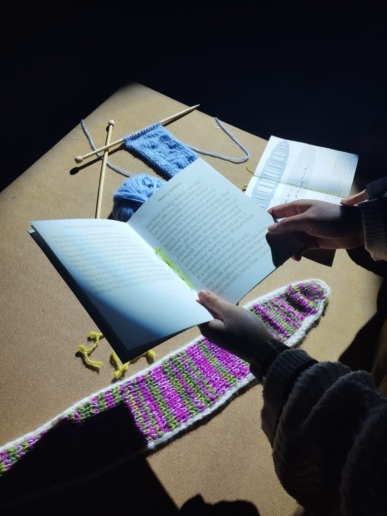
Threaded Protocols is presented as process-driven research and interactive installation, not as a scalable product or material solution. Its relevance lies in how it reframes technology as something made, touched, and shaped by human choice, rather than an abstract, neutral system.
For designers, technologists, and researchers, Threaded Protocols offers a reminder that systems which appear precise and objective are always political, always designed, and always traceable back to material decisions. In a landscape dominated by efficiency, Berkhout’s work insists on another value: the right to build meaning slowly.
The detailed explorer finds a bonus: her work is also touching theme’s of emancipation, gender-equality, historic manipulation…
Any input you think is helpful to create a dedicated article about your project:
https://materialprotocols.site/presskit/
https://materialprotocols.site/research&¬es/
THIS MIGHT BE ALSO INTERESTING FOR YOU
EMELIE SANDRE DESIGN – SUSTAINABLE INNOVATIONS
Modularity is hardly a new concept. It has transformed architecture, furniture and industrial design for decades. Applying it to soft textiles, however, opens an entirely different conversation.
Smart Textile Design – SUSTAINABLE INNOVATIONS
We have always been driven by creativity and curiosity. Our practice evolves through prototypes, never finished, always asking more questions of materials, processes and possibilities.
STUDIO ALICE GIELEN – SUSTAINABLE INNOVATIONS
It is an idea that feels increasingly relevant as artificial intelligence and computational design become part of fashion's creative landscape. Perhaps the future is not about humans versus machines. Perhaps it is about learning how to create together.
Leather from the Sea – SUSTAINABLE INNOVATIONS
"Through hands-on experimentation, I explore the potential of new surfaces and alternative forms of leather, aiming to reconnect human life with the natural world as an interconnected fabric."
Maison du Flock – SUSTAINABLE INNOVATIONS
Working with everything from delicate tulle and lace to leather, sequins and other unconventional materials, the studio has transformed flock into a contemporary design language capable of meeting the demands of luxury fashion and Haute Couture.
MUNICH FABRIC START – January 26 closing report
A solid trade show. An optimistic mindset. That sums up the outcome of MUNICH FABRIC START. After three days, the Munich textile fair came to an end yesterday, Thursday, with the integrated show-in-shows BLUEZONE, KEYHOUSE and THE SOURCE. MUNICH FABRIC START concluded with a stable visitor frequency compared to the previous event.
MUNICH FABRIC START – Between Attitude and Sensuality
The future begins where we reimagine it. The overarching theme of PLEASURE stands for fashion as an emotional space, as an expression of attitude and cultural reflection.
KnitForm+ by Jeanne Mora – SUSTAINABLE INNOVATIONS
What matters is how the textile responds: how it regulates volume, distributes pressure, and transitions from flat to three-dimensional states. Process transparency is embedded in the methodology itself.
Cartoon – WEAR YOUR OPTIMISM
Embark on this fashionable journey and discover the new Cartoon collection at our store. Be inspired, mix and match to your heart's content, and wear optimism—every day, for every occasion.
RETRAKT – SUSTAINABLE INNOVATIONS
Performance, in this context, is measured by organisational resilience. RETRAKT applies resilience engineering to help employees anticipate, monitor, respond to, and learn from complex and changing requirements.
Living Matter: Bio-Luxury for Future Materials
Living Matter: Bio-Luxury for Future Materials
SUSTAINABLE INNOVATIONS
Luxury has always been a contradiction. It’s admired for its craft and allure, yet criticised for its excess. Living Matter takes this tension and turns it into a question: what if luxury wasn’t about being rare or exclusive, but about being responsible and creative?
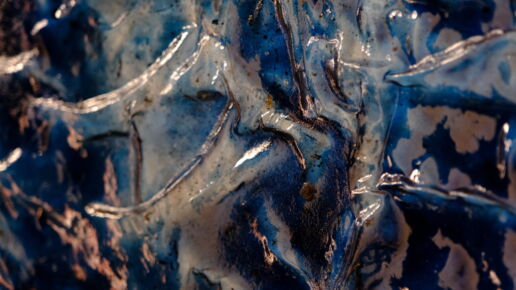
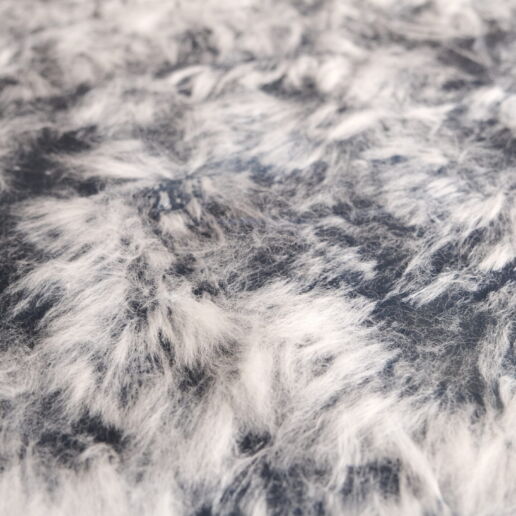
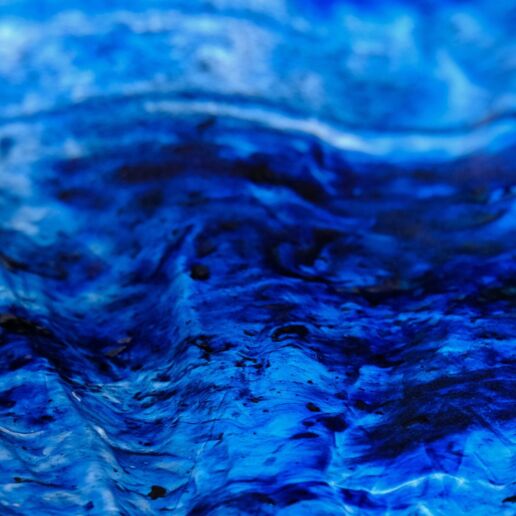
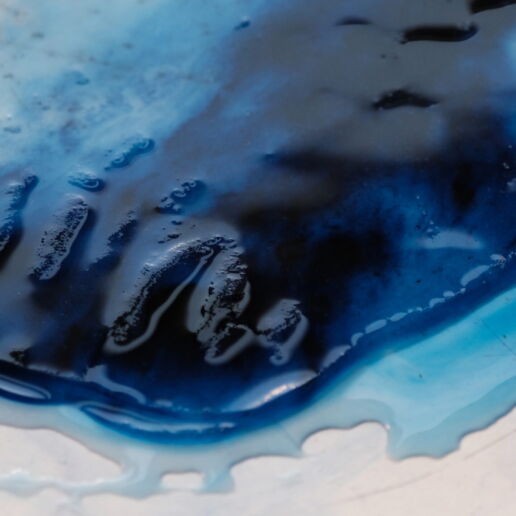
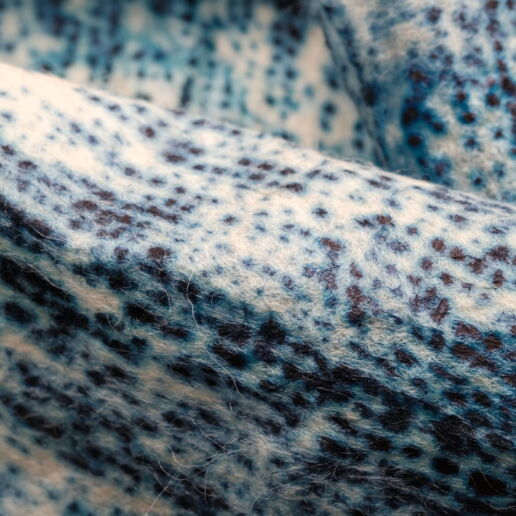
Indigo, a colour with a lot of history, is the main focus of this project. Denim has always meant strength and durability, and its roughness is linked to work and usefulness. In this case, indigo is used to provoke. Biomaterials like Indigo Fur, Indigo BioLeather, and Indigo Veil change the roughness of denim into something soft, light, and impossibly elegant. These materials are made to feel high-end, but they are also made to change, age, and eventually return to the earth.
The process uses marine biopolymers, plant fibres, and even charcoal waste, which are mixed with cotton and natural indigo dyes. The results are more than just surfaces; they are shaped by techniques like folding, pleating, and fur-crafting. They feel alive, with both a scientific and a craft-like touch. Every piece tells a story about what happens when old and new come together.
“By rethinking luxury as a nature-driven, craftsmanship-based concept, the project pioneers sustainable luxury.”
Shushanik Droshakiryan
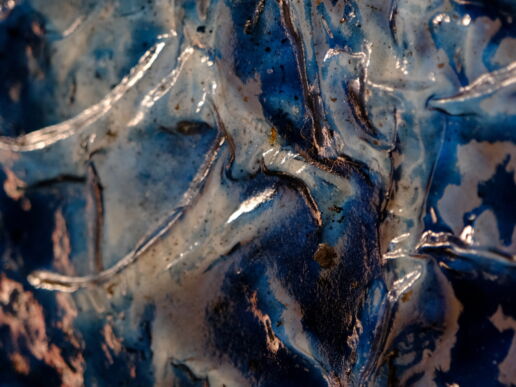
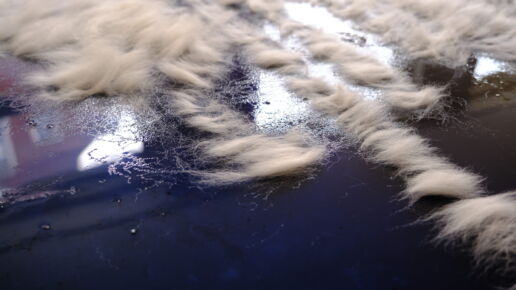
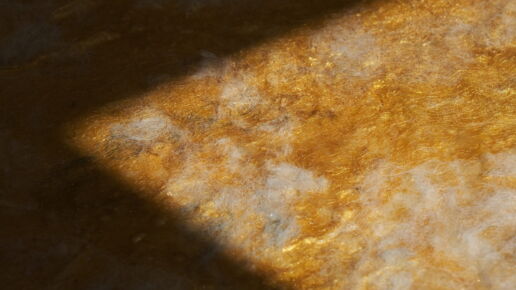
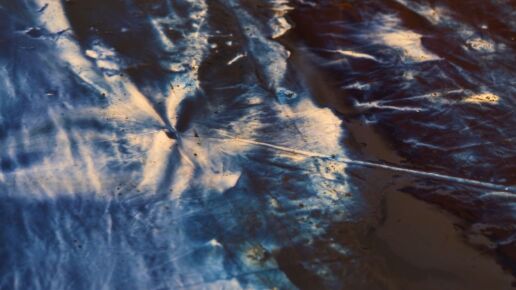

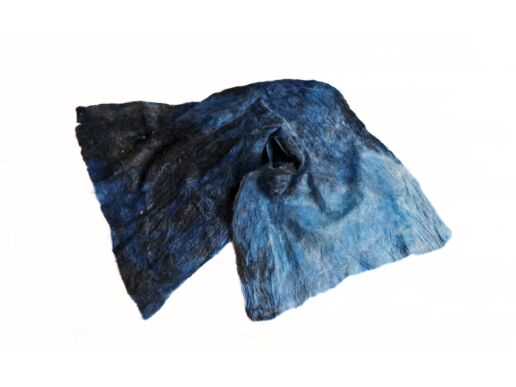
What stands out is how beautiful these materials are without any shame. Sustainable design is too often shown in muted colours, as if restraint is the only way to show responsibility. Living Matter has a different point of view. Indigo here is strong and bright, with textures that are rich, sensory, and very appealing. It doesn’t agree that taking care of the planet means giving up style.
Luxury sets the tone for the wider industry, shaping what people desire and why they engage with fashion at all. Living Matter challenges this influence, urging a shift away from extraction toward stewardship redefining bio-based materials not as compromise, but as the ultimate expression of desirability.
Presented at the September 2025 edition of Munich Fabric Start’s Sustainable Innovations forum, the project will make its case in the right place thanks to the kind collaboration with OFFICINA +39 as supplier of RECYCROMTM RTD OCEAN dye as well as EU COTTON who provided the raw cotton used in this project. Pushing boundaries and spotlighting visions of fashion’s future, it has the potential to reframe bio-based materials not as substitutes or compromises, but as the new height of aspiration.
H2 | SI
THIS MIGHT BE ALSO INTERESTING FOR YOU:
EMELIE SANDRE DESIGN – SUSTAINABLE INNOVATIONS
Modularity is hardly a new concept. It has transformed architecture, furniture and industrial design for decades. Applying it to soft textiles, however, opens an entirely different conversation.
Smart Textile Design – SUSTAINABLE INNOVATIONS
We have always been driven by creativity and curiosity. Our practice evolves through prototypes, never finished, always asking more questions of materials, processes and possibilities.
STUDIO ALICE GIELEN – SUSTAINABLE INNOVATIONS
It is an idea that feels increasingly relevant as artificial intelligence and computational design become part of fashion's creative landscape. Perhaps the future is not about humans versus machines. Perhaps it is about learning how to create together.
Leather from the Sea – SUSTAINABLE INNOVATIONS
"Through hands-on experimentation, I explore the potential of new surfaces and alternative forms of leather, aiming to reconnect human life with the natural world as an interconnected fabric."
Maison du Flock – SUSTAINABLE INNOVATIONS
Working with everything from delicate tulle and lace to leather, sequins and other unconventional materials, the studio has transformed flock into a contemporary design language capable of meeting the demands of luxury fashion and Haute Couture.
MUNICH FABRIC START – January 26 closing report
A solid trade show. An optimistic mindset. That sums up the outcome of MUNICH FABRIC START. After three days, the Munich textile fair came to an end yesterday, Thursday, with the integrated show-in-shows BLUEZONE, KEYHOUSE and THE SOURCE. MUNICH FABRIC START concluded with a stable visitor frequency compared to the previous event.
MUNICH FABRIC START – Between Attitude and Sensuality
The future begins where we reimagine it. The overarching theme of PLEASURE stands for fashion as an emotional space, as an expression of attitude and cultural reflection.
KnitForm+ by Jeanne Mora – SUSTAINABLE INNOVATIONS
What matters is how the textile responds: how it regulates volume, distributes pressure, and transitions from flat to three-dimensional states. Process transparency is embedded in the methodology itself.
Cartoon – WEAR YOUR OPTIMISM
Embark on this fashionable journey and discover the new Cartoon collection at our store. Be inspired, mix and match to your heart's content, and wear optimism—every day, for every occasion.
RETRAKT – SUSTAINABLE INNOVATIONS
Performance, in this context, is measured by organisational resilience. RETRAKT applies resilience engineering to help employees anticipate, monitor, respond to, and learn from complex and changing requirements.