

THE NEW WORLD OF colours
MycoColors by Birke Weber and Friederike Hoberg
SUSTAINABLE INNOVATIONS
Dyes play a major role in our daily lives – in the clothes we wear, the cosmetics we use or the food we eat. Most of the dyes we use are of synthetic origin, which poses potential health risks – both in the manufacturing process and in the dyeing process or use. In addition, dyes and pigments in industrial wastewater are not infrequently released into the environment, where they remain and damage ecosystems.
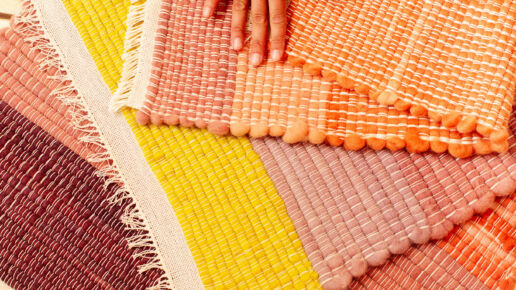
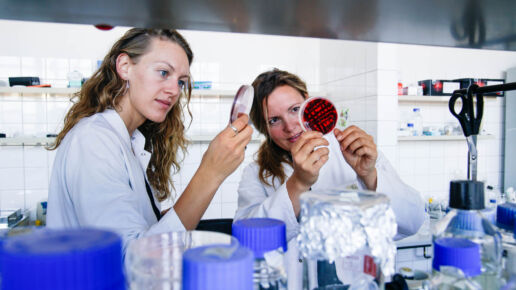
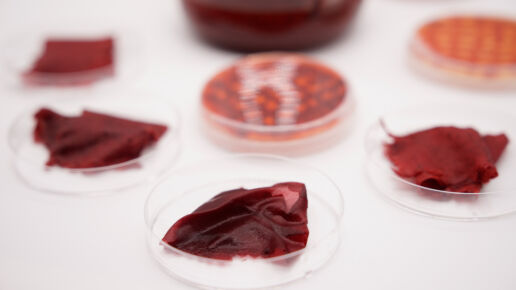
MycoColors, a project by designer Birke Weber and biochemist Friederike Hoberg, addresses precisely this problem. The two are researching the potential of alternative dyes – specifically: from fungi. With MycoColors, they want to develop optimal growth conditions for colour-producing mycelium with the aim of creating a sustainable extraction of dyes and an innovative dyeing process and establishing fungal dyes in the textile and fashion industry. Because: fungi offer a lively, broad colour spectrum that runs through all the colours of the rainbow and is far from being exhausted
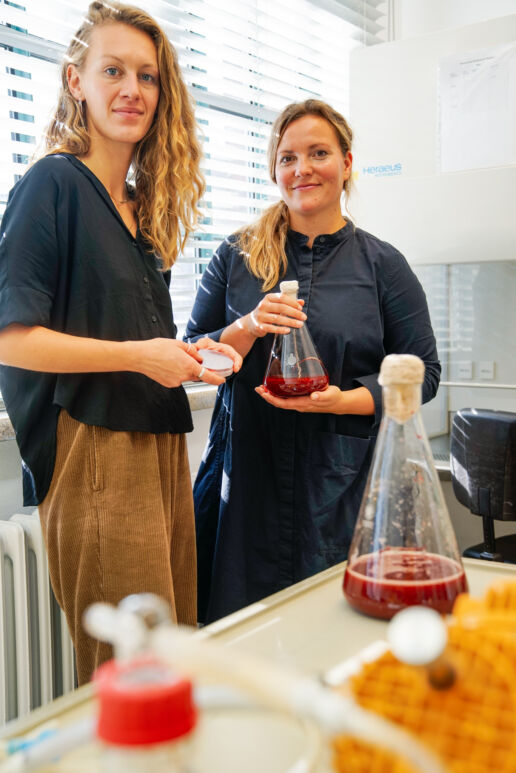

The advantages: The fungal mycelium from which the dyes are extracted grows within just a few days, cultivation takes place in inexpensive culture mediums and production is independent of weather and season. Furthermore, MycoColors works in a closed material cycle: resources such as water and nutrients can be recovered and reused, and by-products such as the biodegradable mycelium can either be returned to nature or upcycled – for example, by using it for paper production.
“The textile and fashion industry uses vast quantities of toxic and carcinogenic chemicals, including synthetic dyes, for its ever-changing
product range. But the end customers cannot trace everything that is hidden in a purchased T-shirt or carpet. A humane and environmentally
friendly alternative made from fungi aims to revise this uncertainty, especially with regard to the colors in a purchased product.”
———————————————————————–
THIS MIGHT BE ALSO INTERESTING FOR YOU
EMELIE SANDRE DESIGN – SUSTAINABLE INNOVATIONS
Modularity is hardly a new concept. It has transformed architecture, furniture and industrial design for decades. Applying it to soft textiles, however, opens an entirely different conversation.
Smart Textile Design – SUSTAINABLE INNOVATIONS
We have always been driven by creativity and curiosity. Our practice evolves through prototypes, never finished, always asking more questions of materials, processes and possibilities.
STUDIO ALICE GIELEN – SUSTAINABLE INNOVATIONS
It is an idea that feels increasingly relevant as artificial intelligence and computational design become part of fashion's creative landscape. Perhaps the future is not about humans versus machines. Perhaps it is about learning how to create together.