

A suit of armour made of wood
Choub by Mehdi Mashayekhi
Sustainable innovations
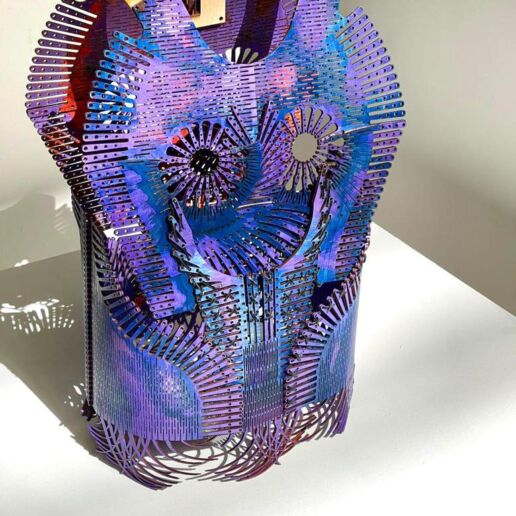
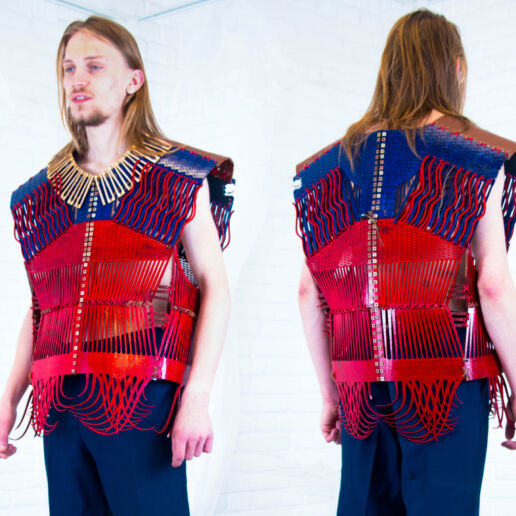
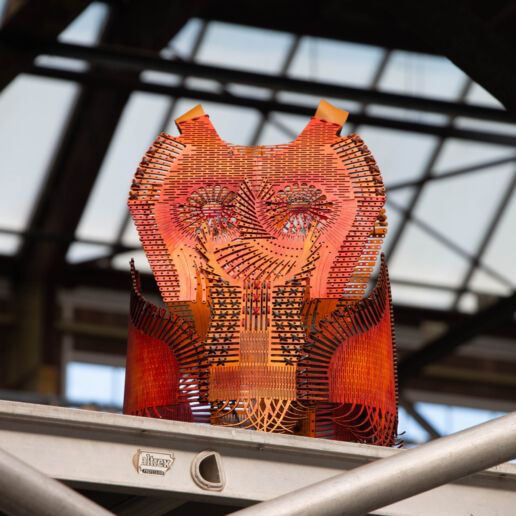
The name says it all: “Choub” means “wood” in Farsi – the material that designer Mehdi Mashayekhi draws on in his project Choub and uses innovative methods to create something new: Using digital fabrication, he has designed an abstract clothing collection for which he deconstructs the wood, giving the material new physical properties such as flexibility and stretchability.
The designer resorts to two methods: with topology optimisation, a computer-based process, he uses algorithmic models to determine the optimal shape of components in terms of load limits. The generative design method also creates new, powerful design options with the help of artificial intelligence. In this way, Mehdi Mashayekhi succeeds in solving complex requirements, distributing the weight of components and reducing manufacturing costs.
“Design is a glowing point in the cross-point between art and science, where reality meets vision.”
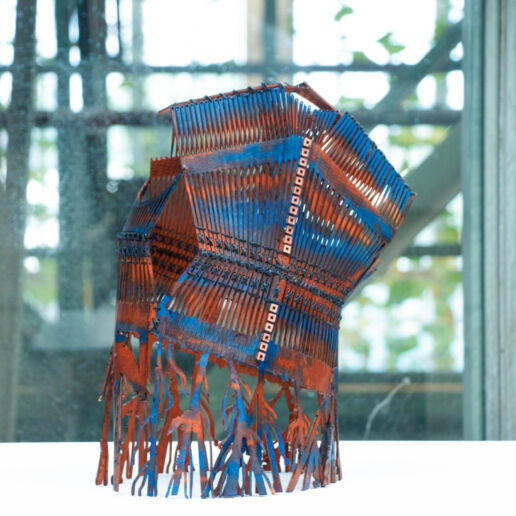
Innovative, unconventional, visionary: In the Choub project, 6mm thick plywood is used to create armour-like, portable constructions in which the wood loses its hardness and becomes flexible. Win-win: The designer optimises the use of materials in the design and at the same time provides a solution for upcycling waste. With the use of digital manufacturing, Mehdi Mashayekhi is helping to drive circularity and strengthen openness to materials and technical textiles.
———————————————————————–
THIS MIGHT BE ALSO INTERESTING FOR YOU
EMELIE SANDRE DESIGN – SUSTAINABLE INNOVATIONS
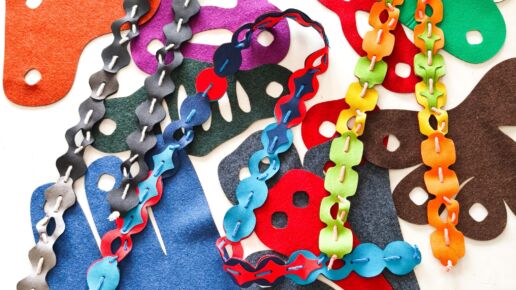
Modularity is hardly a new concept. It has transformed architecture, furniture and industrial design for decades. Applying it to soft textiles, however, opens an entirely different conversation.
Smart Textile Design – SUSTAINABLE INNOVATIONS
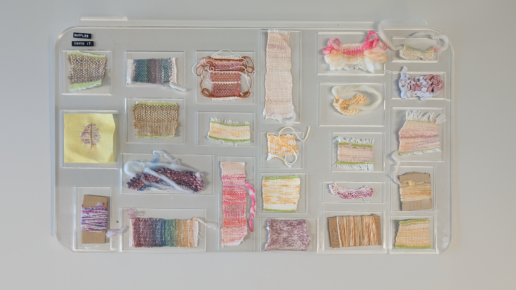
We have always been driven by creativity and curiosity. Our practice evolves through prototypes, never finished, always asking more questions of materials, processes and possibilities.
STUDIO ALICE GIELEN – SUSTAINABLE INNOVATIONS
It is an idea that feels increasingly relevant as artificial intelligence and computational design become part of fashion's creative landscape. Perhaps the future is not about humans versus machines. Perhaps it is about learning how to create together.