
Sustainability

Yünsa: Pioneers in Combining Sustainability and Digitalisation
Brands, suppliers and retailers evaluate to digitize their value chain to reduce time in product development, gain cost efficiency and increase their eco-consciousness. Those brands and suppliers who prevent a digital option gain a significant competitive advantage over those that remain static.
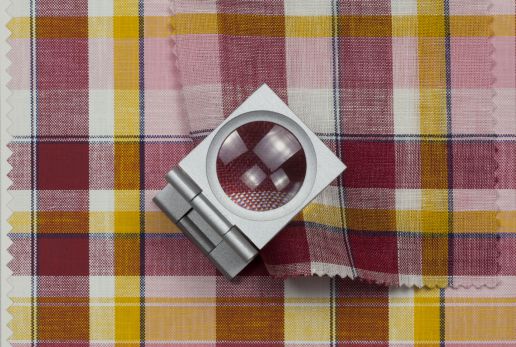
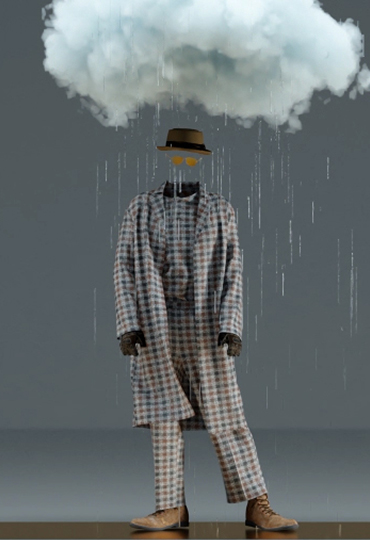
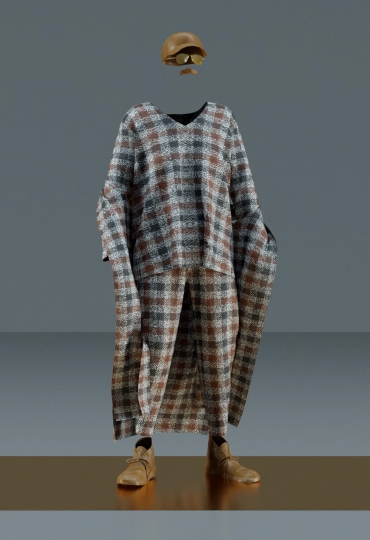
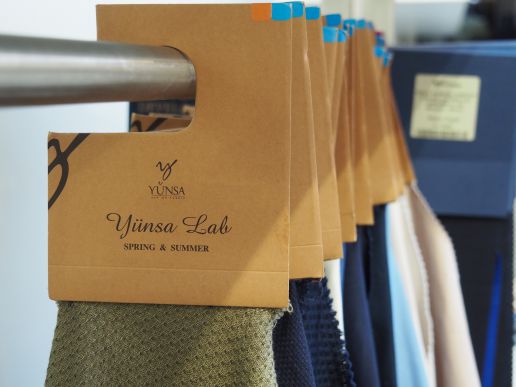
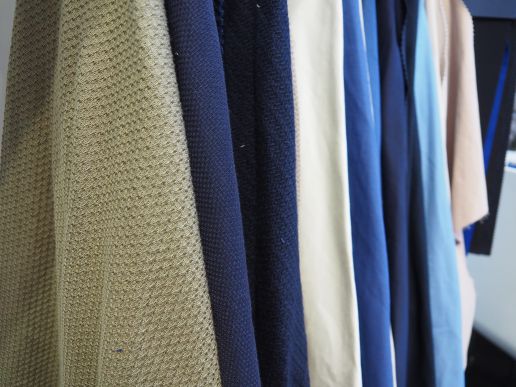
We interviewed YÜNSA, as pioneers in the combination of sustainability and digitalization, they will offer a 100% digitalized collection in Spring.Summer 21. This and all successive collections will consist of fabric hangers for quality and hand feel reference as well as digital design and colour cards which are constructed and visualized in Penelope. Improvements in product development are expected to be up to 40% in terms of speed, cost and sustainability.
Digitisation goes hand in hand with sustainability, how are the digital connection tools used alongside the value chain to ensure sustainability?
Sustainability is not only about the raw materials but also the production process, chemical usage, waste management as well as time and energy consumption. Conventionally, as much as 80% of blankets and sample fabrics produced for either collections or customer requests were wasted and could not be used. If there are any mistakes in the finishing applications, fabrics need to be repaired and thus increases chemical usage and energy consumption, creating additional waste and pollution.
Digital product management is completely clean and fast. Developing a new pattern and colour variant takes less than an hour and is open to numerous corrections. With the possibility of simultaneous sharing via the cloud it does not rely on standard transportation methods which wastes time and resources. No waste, no pollution, fast and cost efficient.
What challenges have you faced throughout this process?
The biggest challenge is the resistance of the colleagues, managers and shareholders to the digital transformation. The industry and the laborers of our sector are very conservative in getting out of the traditional way of working. Financial and technical difficulties are easily overcome, as long as the team is open to change, believing in its benefits and supporting the process. We are lucky that Yünsa has an experienced, dynamic and enthusiastic team. Transformation is supported by the whole company. At this point, we should send a very special thanks to our information technologies team.

What were the initial steps of upgrading your sampling process with this new digital sampling process?
It all started with believing in digital transformation. We made the necessary technology investments in order to become pioneers in the sector, including Penelope CAD, Color Digital and ERP software. When our design team understood the benefits of digitization, they immediately took over the project.
We have digitized more than 9.000 yarn/colour combinations. This process is continuous as we create new yarns and colours every new season. For the Yünsa collections, we develop the designs and colour ways in our CAD software and create digital Yünsa collections. These collections will be available to customers in our online “Yünsa Shop” that will allow our customers and brands to browse the Yünsa collections, select and order fabrics, digital materials and make new requests.
Special customer developments are currently being developed in our CAD software and shared with customers via the cloud. The patterns are ready to be downloaded and fully integrated into the leading digital solutions such as CLO and ASSYST. For realistic simulation and digital decision making, the physical information based on measured parameters of our fabrics will also be included in the cloud library.
To what extent do you believe this is the future of production sampling for fashion?
Digital workflow is the real future of the fashion industry. We believe all parties of the fashion industry will experience the digital transformation in 3 to 5 years. Brands and suppliers who provide digital solutions will gain a significant competitive advantage over those that remain static.
What results have you seen in terms of cost and waste reduction?
Not much at the moment. As the majority of the industry is only at the stage of observation, alongside the digital versions we are still preparing the Yünsa collections and customer requests by traditional production means such as handlooms, blankets and sample meters, we haven’t seen a significant cost or waste reduction yet. Brands need to understand the benefits of this future workflow and start digital transformation instead of waiting others to step forward. Yünsa is ready to serve fully digital.
What are the benefits to the environment by embracing this new sampling process?
Digital workflow is clean and environmentally friendly. Expected minimum 40% sample production reduction means less dye stuff and chemical usage, less fabric waste, less energy & water consumption, less carbon release. I always use the “miraculous” expression for wool as the main raw material we use in Yünsa; natural, renewable, biodegradable, insulator, breathable, flexible, resistant and safe. Digital workflow is also miraculous; sustainable, eco-friendly, cost conscious, fast, standardized, precise.
Visit Yünsa at MUNICH FABRIC START on February 4-6 2020 in Munich, Section 1, Stand F103

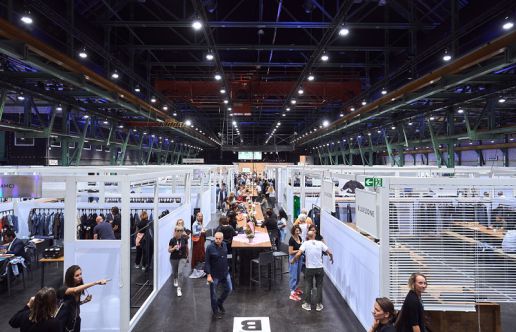
BLUEZONE Driving ECOISM in the Denim Industry
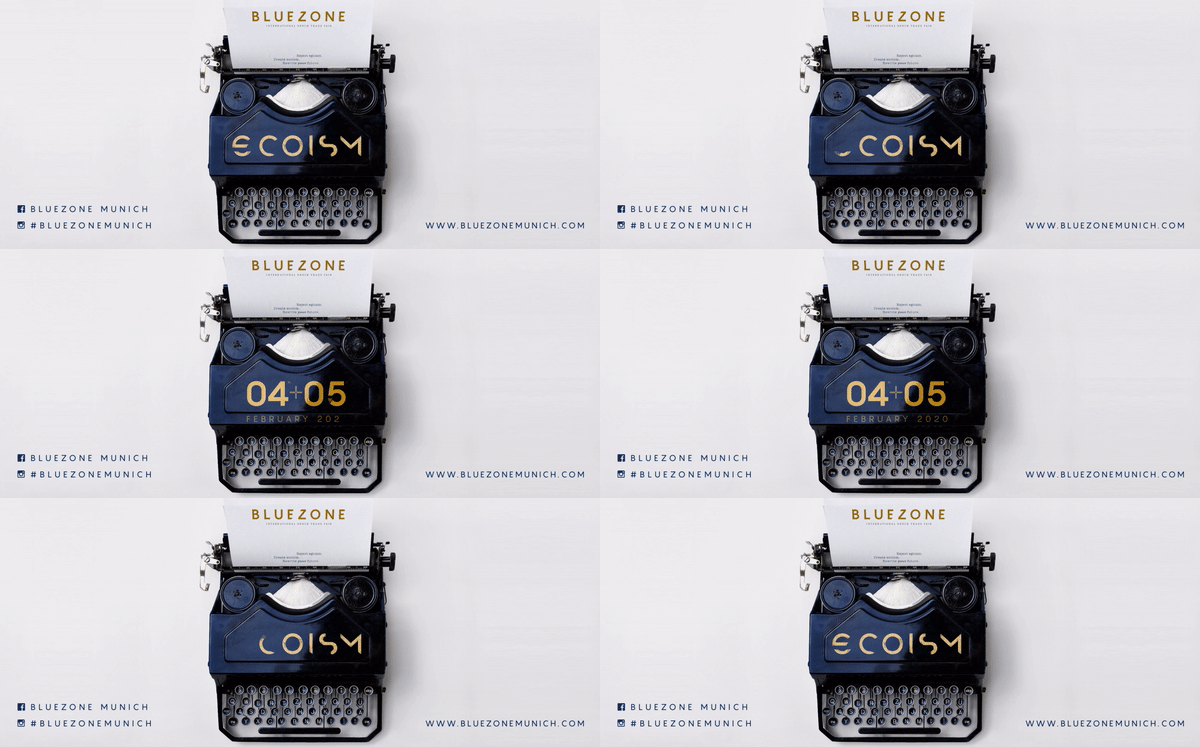
Transparency, environmentally friendly production and innovative textiles: the denim industry deals with new challenges – which are faced as an optimistic international blue network.
With over 100 major international brands, the BLUEZONE has positioned itself as the initiator of an outstandingly strong and innovative denim community. Answering to a conscious consumerism approach and a growing interest for ready-made solutions, offering future-oriented products, state-of-the-art technological processes and complex functionalities.
“As we and the entire industry strive for continuous improvement, BLUEZONE presents the latest developments in the denim sector cross-seasonal. As one of the world’s leading denim shows, which has long been providing environmentally conscious solutions to the industry, BLUEZONE’s success is the result of joint efforts and a willingness to change and take new initiatives.”
Panos Sofianos, Denim Curator BLUEZONE
Reject egoism, follow ECOISM – the current BLUEZONE stands for a call for togetherness and collaboration for the good of our planet. With our ECOISM movement, we, as a blue community, show the upheavals in the industry and solutions related to climate change.
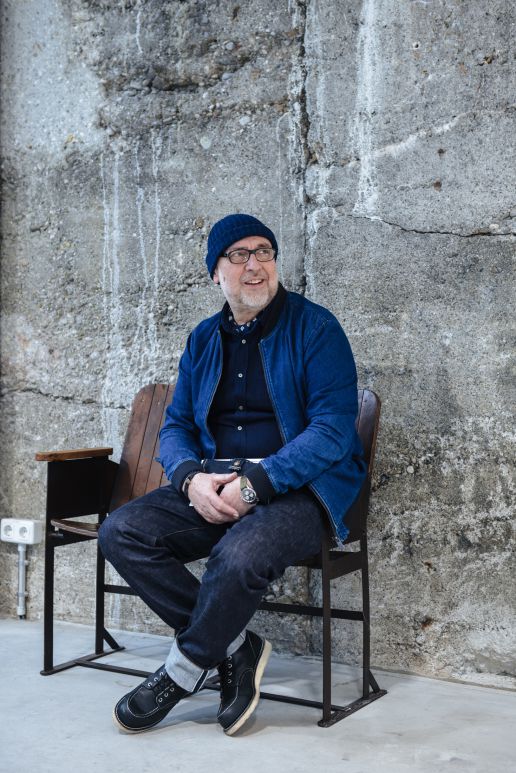
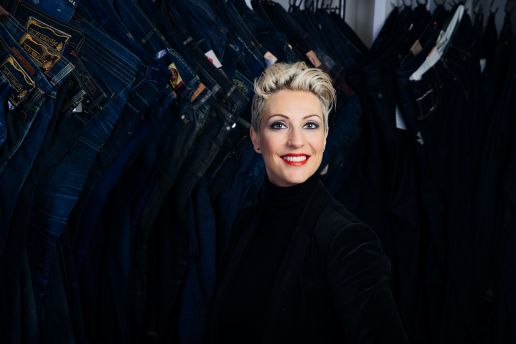
These and other relevant themes for the denim market will be deepened in numerous lectures and international panel discussions on the long wooden panel in the centre of the BLUEZONE, which offers space for direct exchange and personal dialogue.
“I deeply believe that our world needs a strong change. We cannot use all the resources our planet has given us. If our statesmen cannot show us the way for a better world, then, WE need to show them how to achieve this. By being altruistic, consuming less, and focusing on other’s wellness, rather than on our own material comfort.“
Lucie Germser, Monsieur T.
BLUEZONE: 4 – 5 February 2020
MUNICH FABRIC START: 4 – 6 February 2020
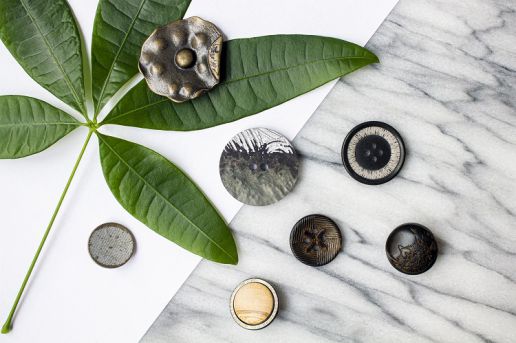
Not At All Buttoned: Relying on Nature and Sustainability
Sustainability and value are at the top of the agenda for the button manufacturers. Natural materials as well as new, recyclable materials are even more in focus. The number of certifications for ecological and sustainable products and production methods has also increased even further for the manufacturers of buttons and additionals.
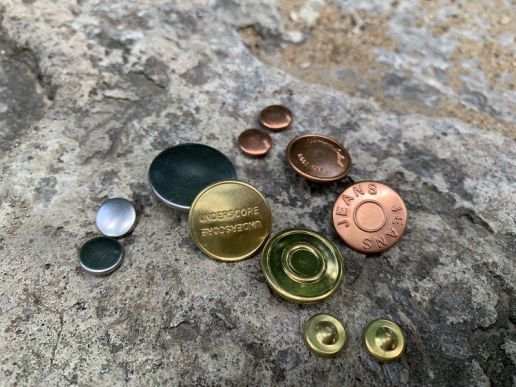
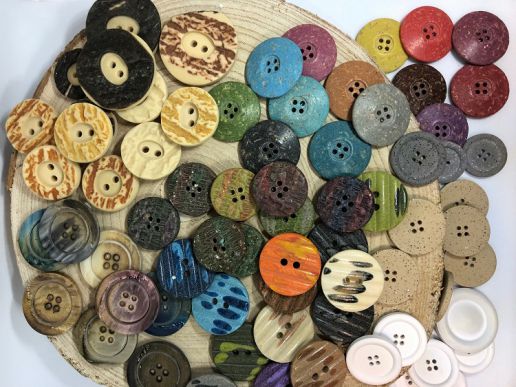
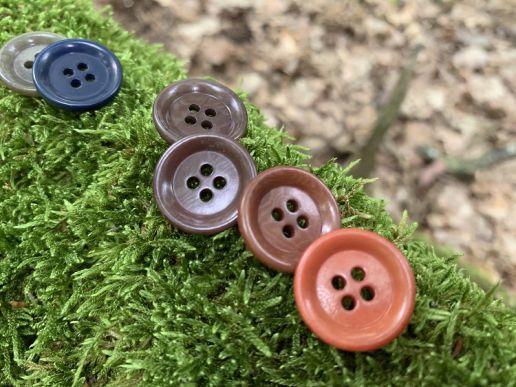
Union Knopf, for example, displays vegetable-colored walnut buttons as well as buttons and trim made from 100% Social Plastic, a material made from recycled plastic waste.
“Not more but better” – true to this motto Creativ Knopf extends the collection of high-quality natural materials. For a fashion-conscious customer who is increasingly looking for longer-lasting garments. Grades of shades of brown, colors such as spice stalls oriental markets and soft shades of gray support the tendency to soft, natural and haptic pleasant materials. Classical music is reinterpreted. Traditional designs are unexpectedly implemented and modernized.
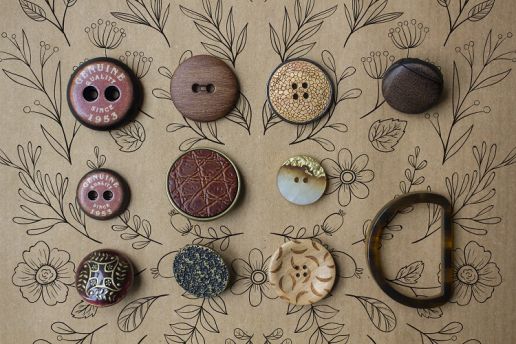
The menswear continues to be influenced by retro influences. So cultivated Easyness and modern comfort from the sportswear at Creativ Knopf dominate the trends. Both the classic and casual casual looks benefit from it. Thus, freedom is created to continue the drive of menswear. Black becomes a minimalist matter of course when combined with elegant gray shades. New shades of brown become a futuristic-feeling entity through their combination of accent colors.
Rosenfelder also pays great attention to sustainability in addition to an extensive range of buttons made of natural materials. Thanks to constant research and development in the field of high-quality plastic materials, it has been possible to replace the conventional polyester resins contained in the material with new, eco-friendly bio-based binders. Furthermore, a proportion of recyclable waste is added to these materials.
Photocredits: Knopf & Knopf, Union Knopf, Creativ Knopf, Rosenfelder
A Conversation On Sustainability, Transparency & Mainstream
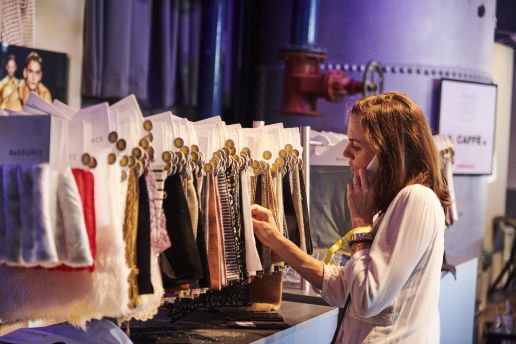
From slow fashion to mainstream business, materials to education, fashion and sustainability raise so many questions. A vast and complex issue, Muchaenta Kapfunde of FashNerd turned to 3 women making a difference in the sustainable fashion space.
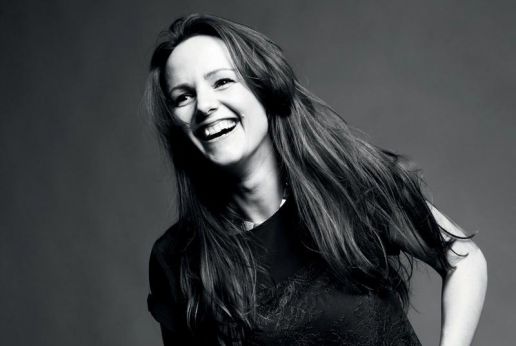
Charney Magri a fashion photographer turned documentary maker. The co-founder of Fashion 4 Change has worked for the likes of British Vogue and Ralph Lauren, and now she is a partner for do epic sh*t. Olivia Pinnock is a London-based fashion journalist, lecturer and founder of The Fashion Debates. She is dedicated to uncovering insightful stories in a fascinating industry and promoting positive change for a more sustainable future for it. Abigail Morris is the Founder and CEO of Compare Ethics. It is a start-up that connects you to ethical brands through the latest online and offline experiences. Since launching in 2018, Compare Ethics is regularly featured in top social feeds and connects thousands of ethical shoppers with brands each week.
On the topic of sustainable fashion, I asked Charney, Olivia and Abigail to share their perspective on the most commonly asked questions.
CHARNEY MAGRI
Do you think that eco-fashion is still a niche market? If so, why?
The day that ‘Eco Fashion’ is just called ‘Fashion’ and is accepted as the norm, will be the day that I believe ‘Eco Fashion’ is no longer niche but rather just common sense.
In your opinion, what are the top 3 things that brands should focus on with regards to promoting their sustainable practice?
I don’t believe there are three focuses on promoting a sustainable brand. However, there are two main verticals in sustainable fashion: environmental and human rights. Both need to be addressed and both need to be made transparent for the success of any [sustainable] brand. As a visual communicator, I want to see all brands talking about this to their consumers as well as the right certifications in place to verify their practices.
What advice would you give an individual looking to start-up a sustainable fashion retailer, particularly with the threat of a current ‘retail recession’?
Research is the first most crucial piece of advice. But the biggest obstacle you will come across is finances. Sourcing sustainable fibres and fabrics are more expensive than unsustainable options and mills will not accept small runs. You must build relationships with suppliers to be able to get the smaller quantities needed, and this takes time. I really believe there is a future in collaborating with like-minded designers to approach companies together so you can fulfil your orders when starting out.
ABIGAIL MORRIS
In your opinion, what are the top 3 things that brands should focus on with regards to promoting their sustainable practice.
1) Create a strong storytelling environment. Whether via online or offline experiences, sustainability is best shared as a story that people can easily back and tell their friends.
2) Be authentic. Nobody is perfect when it comes to sustainability. Bring people on your journey and celebrate your achievements with your community in real time.
3) Strive for increased transparency. Open up your supply chain and show people you are working to the highest ethical standards. Whether you are showing who made your clothes or using blockchain to track your supply chain, people increasingly want to know the provenance of your products.

Do you think ethical clothing will ever out-compete the mainstream less ethical products and dominate the fashion industry in the future? Why?
I don’t think new ethical clothing alone will out-compete the mainstream. However, what is more, interesting is how new business models will disrupt the fast fashion industry. ThredUp found that the second-hand market is growing 21 times faster than retail apparel over the last three years and is on track to be larger than fast fashion by 2028. At the same time, fashion rentals and sustainable fashion are moving into the mainstream. Given that fast fashion relies on volume, it will be interesting to see how and when mainstream brands will pivot towards a conscious fashion future.
Why do you think people are still buying from mainstream shops that sell unethical clothing?
People still buy unethical clothing because there is a variety with a strong product-market fit, and it is super easy to find. Sustainable fashion is making amazing strides on these areas. We increasingly see brands get product quality, price point and aesthetics right, but we need more choice and scale to compete. This has to be coupled with an easy way to find sustainable products. This is why we set up Compare Ethics – we know there are amazing sustainable products out there, it just has to be easy to find them.
OLIVIA PINNOCK
What do you see as the biggest challenge in getting customers to seek out more ethical and sustainable alternatives to high street fashion?
The biggest challenge is the convenience of mainstream fashion. It is far easier to seek out familiar brands that the consumers’ trusts, are fresh in their minds because of advertising and offers affordable fashion with next day delivery than it is to look for alternatives. Greenwashing is another issue that does damage to the whole sustainable fashion community as shoppers are not sure who they can trust.
What steps can we take to increase transparency and accountability for high street retailers?
I think governments have a tremendous amount of power in making the fashion brands that operate in their countries more transparent. We have seen it here in the UK with the Modern Slavery Act and the Environmental Audit Committee’s investigation into a fast fashion which bought CEOs from some of the biggest UK retailers into parliament to testify on what they’re doing about the issue. Companies are not going to give over information about their practices and their suppliers willingly for fear of giving valuable information to their competitors, but governments have the power to say that protecting garment workers and the environment is far more critical than that.

What advice would you have for people that want to be more conscious of their fashion choices?
Start with the wardrobe that you have. Consumers can make the most significant difference by changing how much they buy and how they manage their clothes at the end of their life. There are things you can do to support more ethical brands and put pressure on big brands, but where you can make an immediate, tangible impact is in your own home. Take steps to reduce how much clothing you’re buying, if it’s possible, and when you’re done with a piece of clothing, ask yourself whether it can be repaired or upcycled instead. If you still want to throw it away, can you give it to a friend to extend its life? It’s much better to give it to someone you know will wear it than take it to a charity shop where you don’t know where it will end up, especially if they can’t sell it if it’s not worth hanging on to someone, research how you can responsibly dispose of textiles in your local area through recycling schemes.
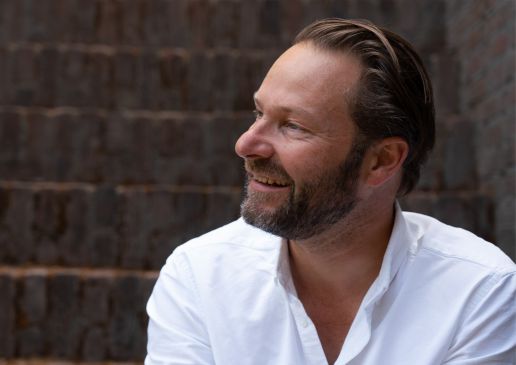
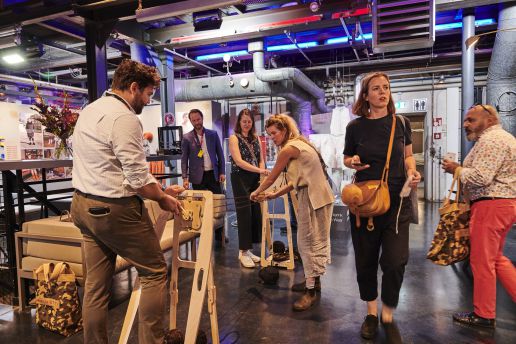
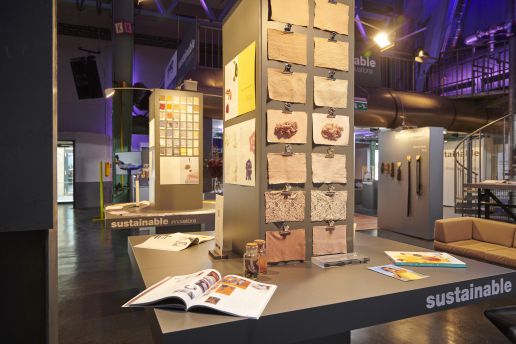
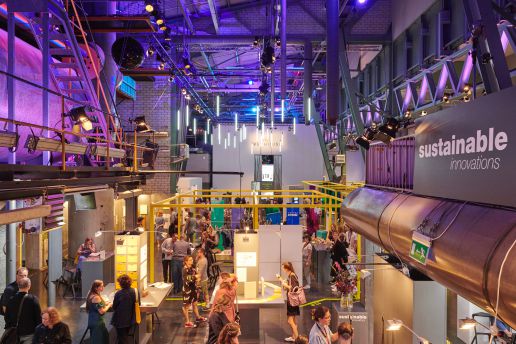
SUSTAINABLE INNOVATIONS: Interview with Simon Angel
You’re curating the Sustainable Innovations forum at Munich Fabric Start for the fourth time. Where are you looking for these new ideas and concepts?
I follow the heartbeat of current and future matters and perspectives. I am inspired by people and products which question the quality and essence of life. This leads me to the roots of the design processes, to the inner core of the industry, research institutes and universities. Textile innovations can be found in all different kinds of areas from fashion to health care, automotive as well as many other sectors. The art of thinking outside and inside the box at the same time plays a central role to find new innovations.
What do the showcased projects have in common?
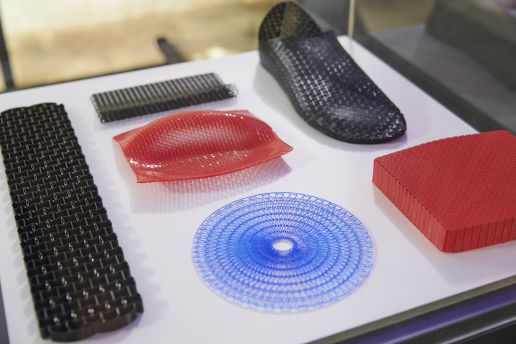
There are two aspects which unite the Sustainable Innovations: poetry and purpose – and we most definitely need both! We need people who respond with poetry to inspire and open up new ideas and we need the hardcore problem solvers. With this edition we show several projects that provide concrete examples of what the successful interplay between poetry and problem solving can look like. Be it in 3D printing solutions or in human capital or in terms of circular solutions. Sustainable Innovations showcases great examples of what re-thinking and re-acting can lead to.
With regards to the exhibits, do you see any major trends?
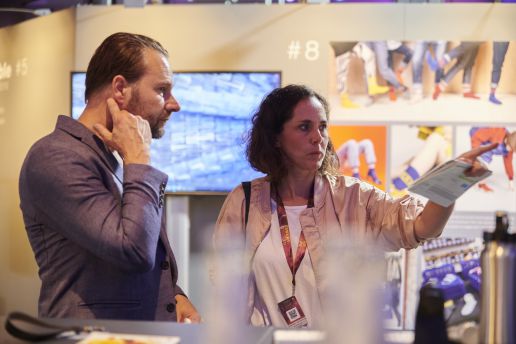
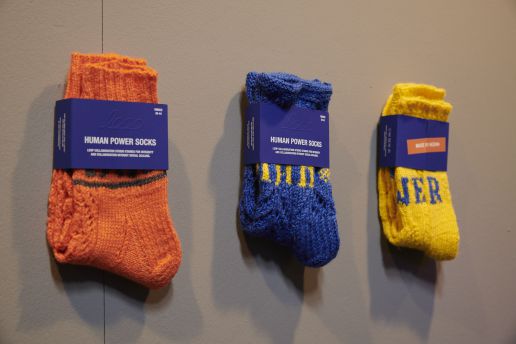
I see the need for and can almost hear a desperate cry for contact. People want to develop a deeper relationship with each other but also with products and materials. The overload of information and the limitless possibilities to connect brings us to the essence of connection: purpose. The designers question their activities, relationships, products, services and business models in order to establish connections that make sense. Connections which will enable and explore new ideas, materials and directions. The power to create a new kind of connection is the next innovation: meaningful people, purposeful like poetry.

What can the industry learn from Sustainable Innovations?
Perhaps it’s not so much about learning something, but more about opening up and establishing a dialogue. The designer has their own view of the market as well as human needs and the industry has its own view and perspectives as well – but these two perspectives are not always sufficiently aligned. Therefore collaborations are key: BEyondAWARE!
‘Sustainability is not just a trend but a MUST’
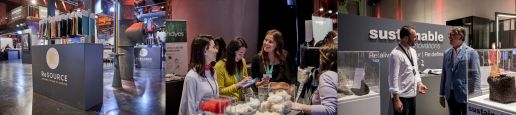
At Munich Fabric Start, we are constantly evolving and expanding our offering to meet the demands of the fashion industry. As a whole, the fashion industry is experiencing the effects from increasingly consumer led trends and habits. We are undergoing a shift from fast fashion to slower, sustainable and more responsible manufacturing, transparent supply chains as well as inherently greener brands, products and materials.
“Sustainability is more than just a trend. We are convinced that the industry will fundamentally change in the coming years from within and as a result of this topic.”
– Jo Baumgartner, Trend Researcher at Munich Fabric Start
The upcoming edition of Munich Fabric Start puts issues around sustainability at the forefront with revolutionary new formats. Here are our platforms and initiatives which are making it easier and more accessible to source sustainable at the next edition of Munich Fabric Start.
ReSource
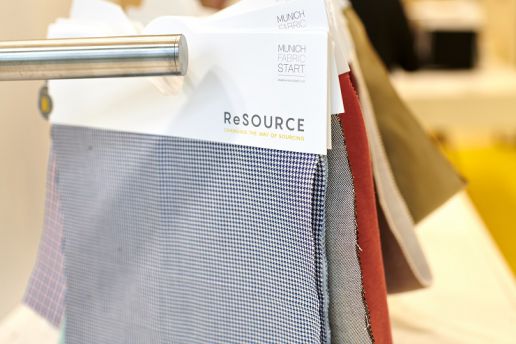
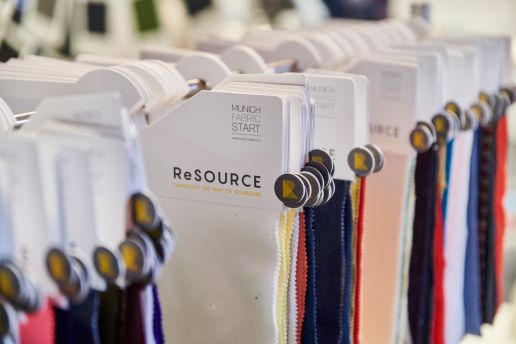
With ReSource, Munich Fabric Start has established an advanced sourcing platform that demonstrates new dimensions of sustainability for innovative and future-oriented production processes. It has defined a forum, initiated and supported by experts that provides real solutions, provides information on the latest standards through seminars and lectures, even bringing together potential cooperation partners.
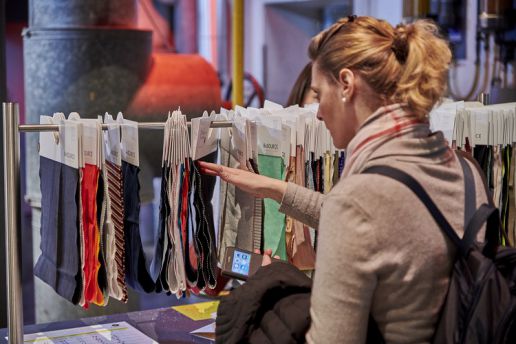
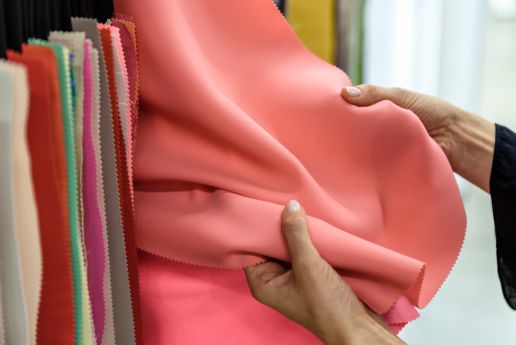
Find the complete ReSource range online to source your eco fabrics and trims 24/7. This unique platform facilitates the sourcing of responsible and clean fabrics and accessories from around the world.
Check out the full list of events happening at ReSource here.
Trend Forum
In our Trend Forums we explore the theme of sustainability with “FORWARD ETHICS” the clothing brand concepts which represent the demand for transparency and caters to the more conscious and informed consumer. Fundamentally it explores the transparency in the production and supply chain, all the way from the seed used by farmers making natural dyes to production and distribution. Keynote speakers, panel discussions and round tables discussions will shed more light on this ongoing transformation as well as provide food for thought and insights into the future.
“Consumer behavior has changed a lot and with it, so too has the market. The consumer is more informed than ever before. The consumer is more conscious and critical, demanding transparency in the production and supply chain.”
– Jo Baumgartner, Trend Researcher at Munich Fabric Start
Events
The event program on offer at Munich Fabric Start is a reflection on the issues, strategies and common themes the industry as a collective are facing right now. With many of our seminars, panel discussions and keynote talks led by the theme of sustainability, we are equipping our visitors with the necessary tools and know-how to grow their brand and business successfully during these times. In particular you should be sure not to miss these two highlights:
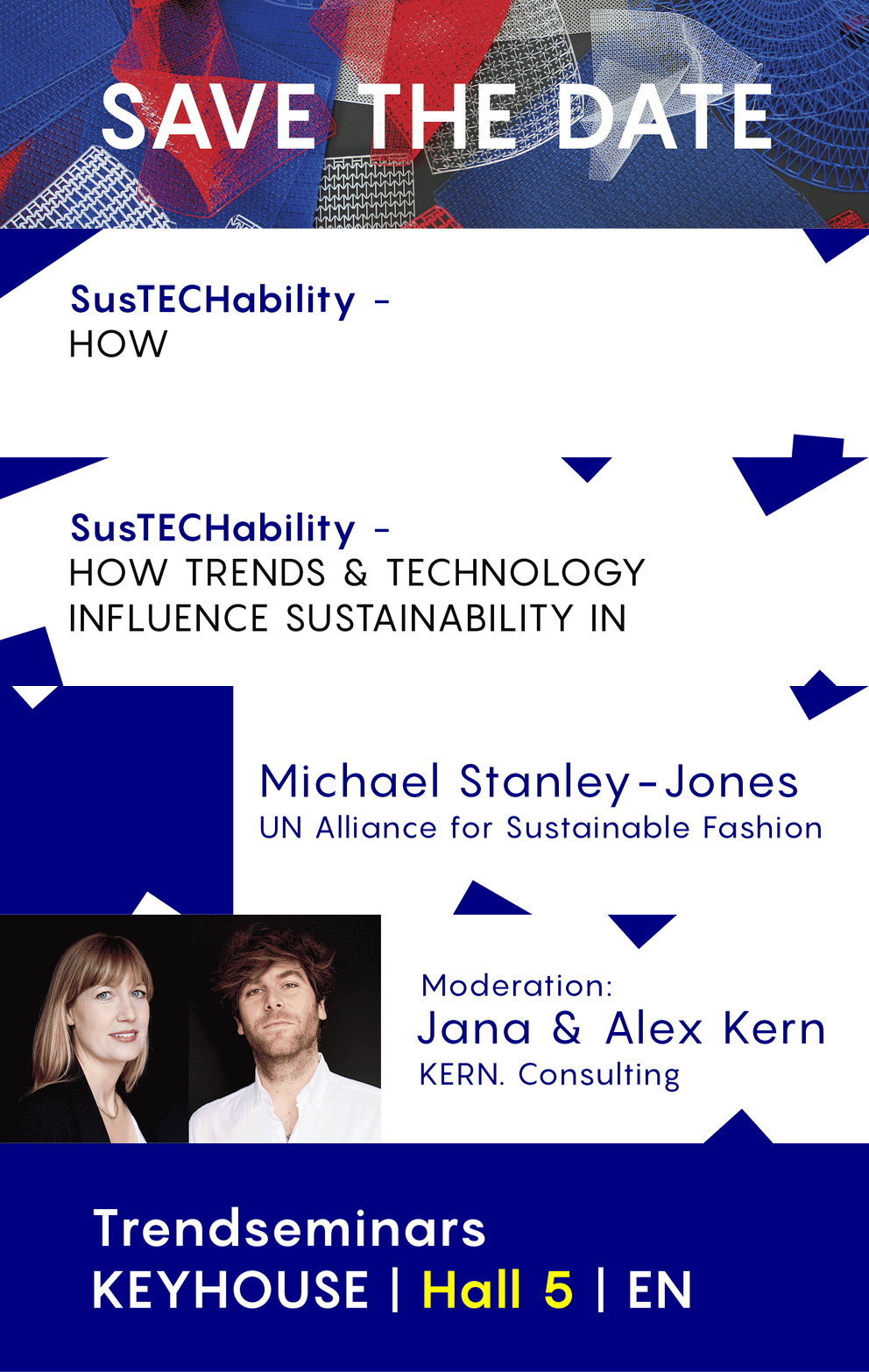
SusTECHability – HOW TRENDS & TECHNOLOGY INFLUENCE SUSTAINABILITY IN FASHION
Lifestyle & Design. Sustainable Resources & Circular Processes. Big Data & Artificial Intelligence. Topics that were completely separate in the past influence each other and become the melting pot of the future of fashion.
Li Edelkoort | Founder and President of
the Parisian trend forecasting agency Trend Union
Michael Stanley-Jones | Co-Secretary, UN Alliance for Sustainable Fashion
– United Nations Environment Programme
Tricia Carey | Director Global Business Development Denim at Lenzing Fibers
Natasha Franck | CEO & Founder EON Group Holdings Inc.
Erik Bang | Innovation Lead H&M Foundation
Muchaneta Kapfunde | Founding Editor-in-Chief FashNerd.com
Moderation: Jana Kern & Alex Vogt | KERN. Consulting
Tuesday, 3rd September 2019 at 11.30am, KEYHOUSE Hall 5
HIDE ME
HIDE ME
RESHAPING THE FASHION INDUSTRY FOR GOOD
From slow fashion to mainstream business, materials to education, sustainability is a vast and complex issue that has raised many questions on how we can reshape the fashion industry for good.
Muchaneta Kapfunde, Founding Editor-in-Chief FashNerd.com, interviews these 4 ladies:
Charney Magri | Co-Director: Catwalk to Creation and Partner: Do Epic Good
Olivia Pinnock | Fashion Journalist, Lecturer and Founder of The Fashion Debates
Abigail Morris | Founder and CEO of Compare Ethics
Rosanne van der Meer | Founder The Girl and The Machine & N.I.O.
Wednesday, 4th September 2019 at 10.30am, KEYHOUSE Hall 5
Keyhouse
Our think tank for the fusion of fashion, innovation and technology with seminars, panels, presentations and guided tours, Keyhouse presents the latest innovations for smart textiles, sustainable developments and innovative production methods. The lecture area in Keyhouse will host a series of talks, presentations and discussions centered around the theme of sustainability.
Sustainable Innovations
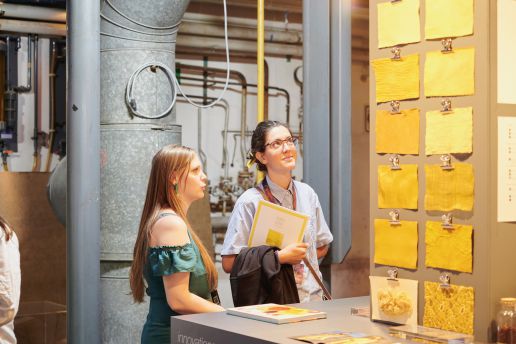
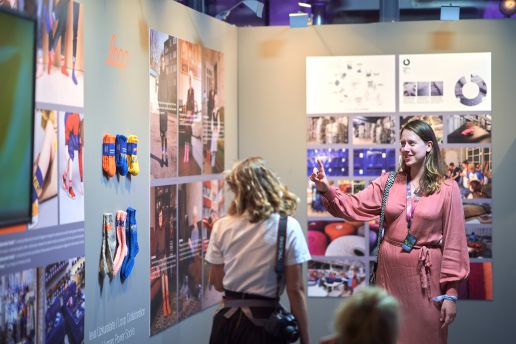
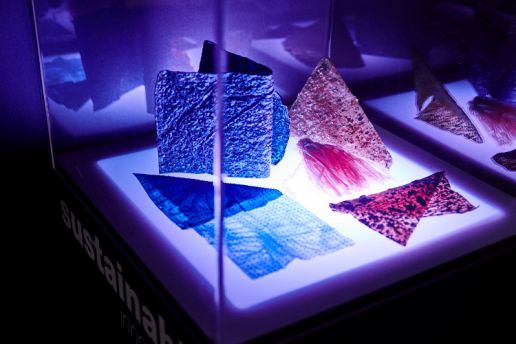
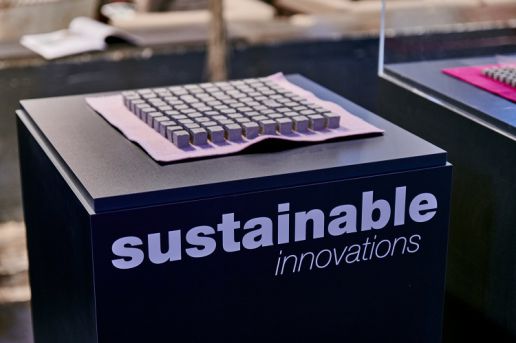
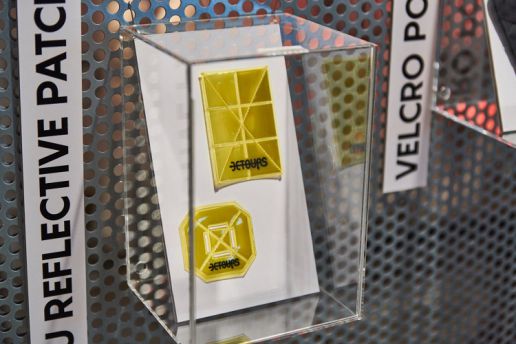
Presented in Hall 5 at Keyhouse, Sustainable Innovations exists somewhere between poetry and problem solving. Showcasing inspirational applications of revolutionary innovations ranging from 3D printing, to human capital, to circular solutions.
‘With this edition we show several projects that provide concrete examples of what the successful interplay between poetry and problem solving can look like.’
– Simon Angel, Curator of Sustainable Innovations
Exhibitor Developments and Sample Areas
Samples submitted to our ReSource area will be showcased throughout the show in various convienient locations, including in the walkways of the MOC building, a selection of samples will be presented at Keyhouse to compliment the sustainable innovations area as well as dotted throughout the trend forum. Of course ReSource fabrics, labelling and additional products will be on display in the dedicated ReSource area in Hall K4.
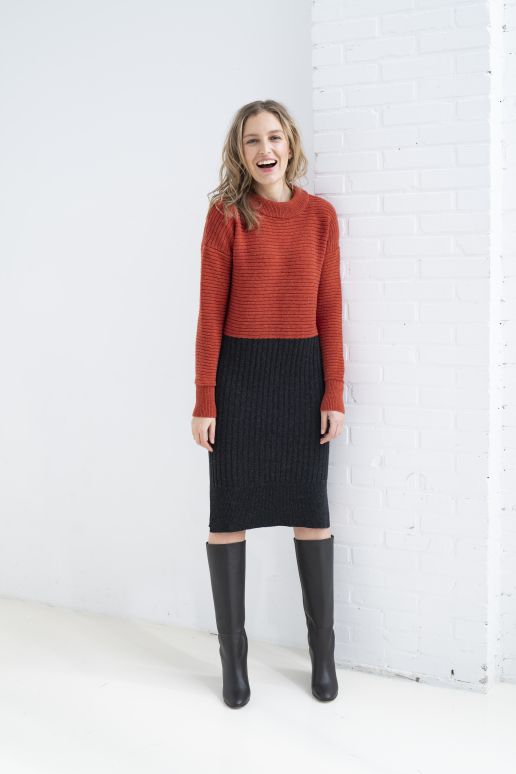
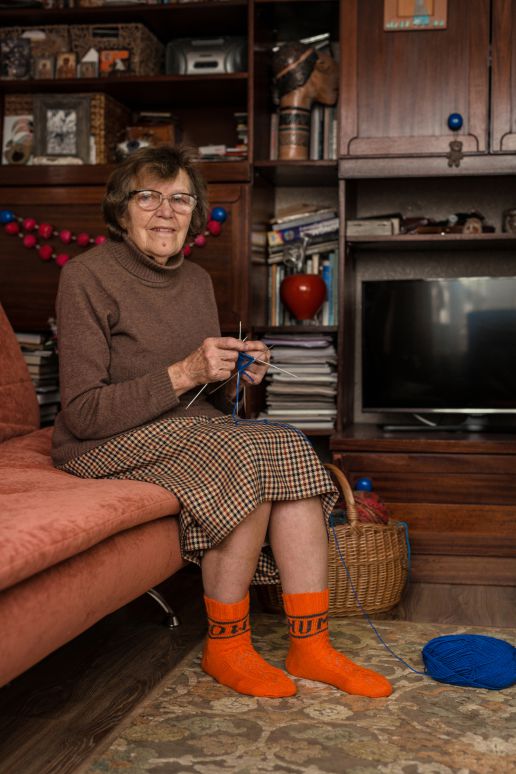
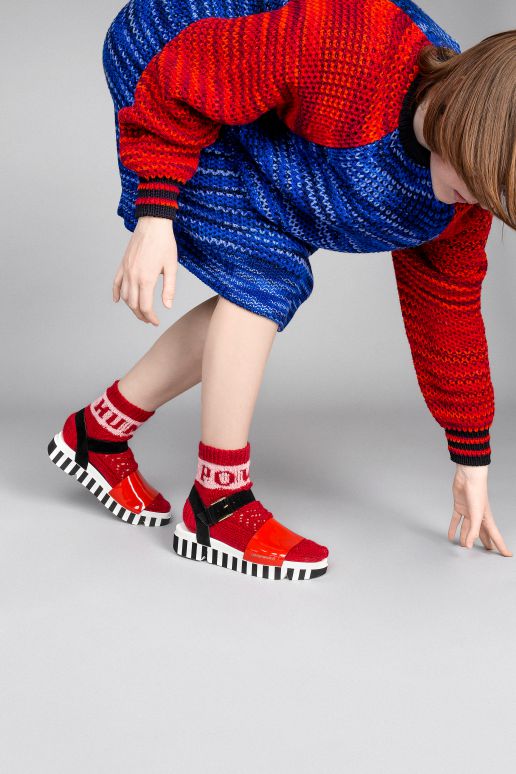
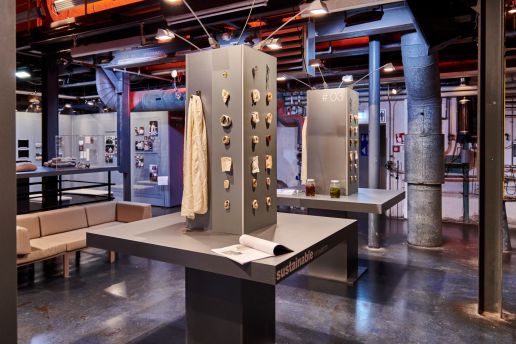
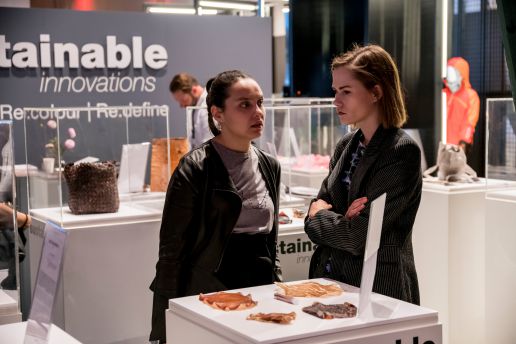
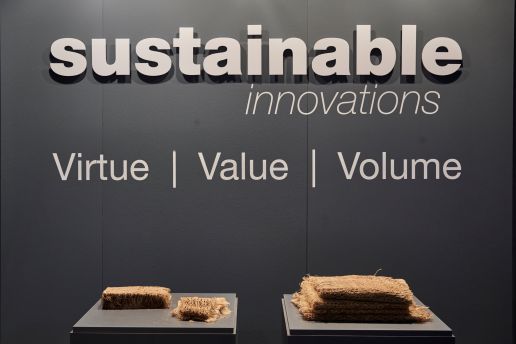
As you can see, sustainability and its related areas are broadly and comprehensively represented. MUNICH FABRIC START became committed at a very early stage and initiated strong forums which are continuously expanding.
You’re invited to attend MUNICH FABRIC START, where more than 1000 suppliers will present more than 1800 collections for Fabrics and Additionals for Autumn.Winter 20/21.
MUNICH FABRIC START: 3-5 of September 2019
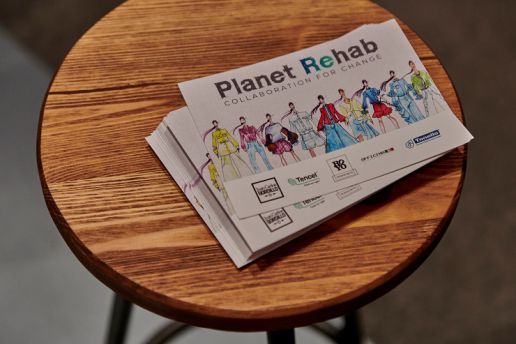
Planet REhab Capsule: Celebrating Sustainable Collaboration
It is great to have organic fibres, right? But as a producer of fibres, the influence on a more sustainable textile production often stops here. Textile garments have complex supply chains which sometimes imply production partners all over the world. That’s why the solution for a more coherent and holistic form of sustainability often lies in right supply chain partnerships!
That’s the idea behind the so called “Planet Rehab” capsule collection, for which renowned textile companies, who are environmentally committed, have partnered up to create something bigger than their own.
The collection was presented during last edition of KEYHOUSE in January. MUNICH FABRIC START feels especially committed about this project as all project partners – Lenzing, Tejidos Royo, Officina +39, and Tonello have been long term exhibitors at the fair.
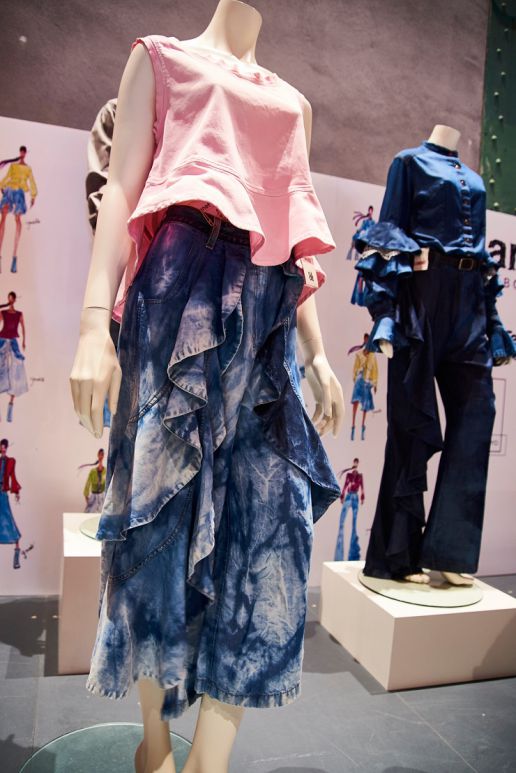
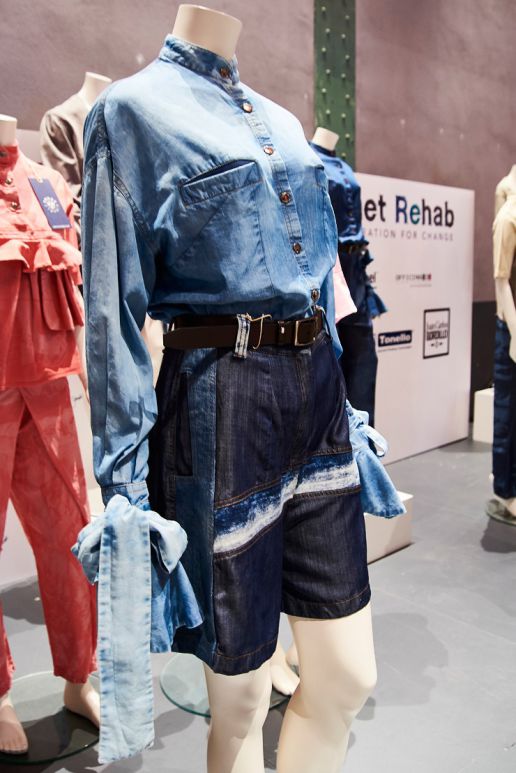
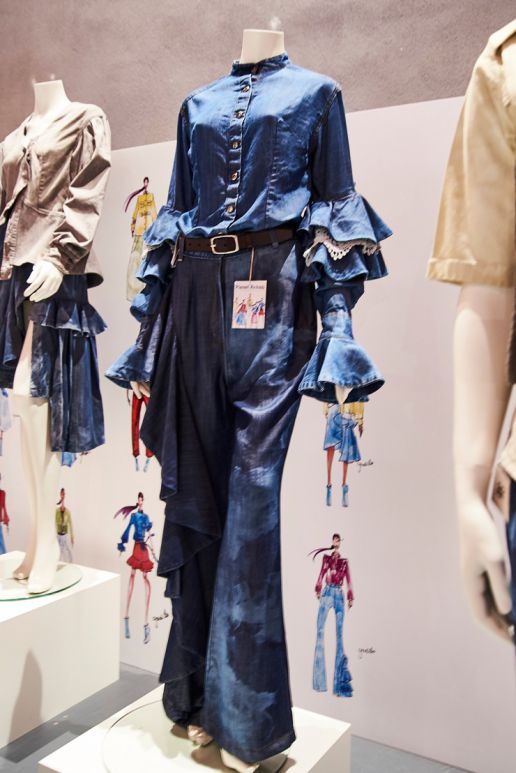
These companies recognized the success to achieving their own goals lies in fulfilling their shared ones, by working collaboratively and responsibly – seeking out more sustainable raw materials, implementing new technologies and employing processes that reduce resource utilization and waste. Juan Carlos Gordillo designed the Rehab collection around Lenzing’s TENCEL™ and TENCEL™ x REFIBRA™ branded lyocell fabrics from Tejidos Royo. The fabrics were dyed using Recycrom technology from Officina+39 and the resultant garments finished by Tonello.
Lenzing’s TENCEL™ and TENCEL™ x REFIBRA™ branded lyocell fibers enhance the sustainable qualities of the fabrics. Made from renewable wood in a closed loop, energy and resource efficient manufacturing process, TENCEL™ fibers and TENCEL™ x REFIBRA™ fibers made with recycled cotton scraps provide the fabrics with softness, smoothness, tenacity, and color intensity.
Spanish fabric producer, Tejidos Royo, creates “fabric with values” through the company’s commitment to the United Nations Sustainable Development Goals. The manufacturer’s vertical business model has substantially reduced its energy consumption and CO2 emissions through aggressive R&D and provides complete transparency and traceability for their customers
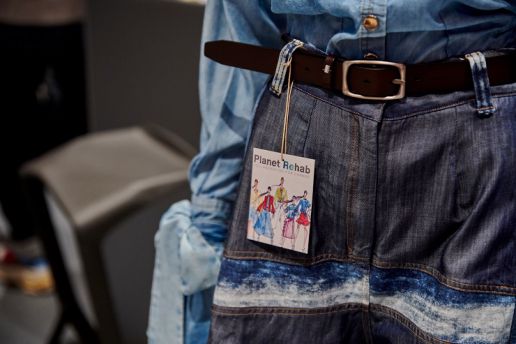
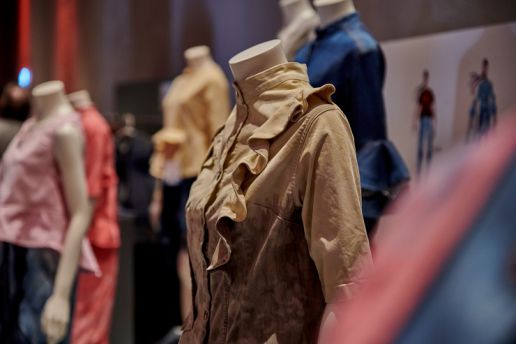
Officina+39’s Recycrom dyes are made from recycled clothing and textile scraps that are specially processed by these Italian experts through a sophisticated production process using only natural chemicals. Waste fabrics are crystalized into an incredibly fine powder that can be used as a pigment dye. Recycrom received the Hightex Award at MUNICH FABRIC START for Autumn/Winter 17/18.
Laundry specialist Tonello also based in Italy, contributed their ECOFREE 2 technology to the project. Fulfilling the needs of the designers and their customers, Tonello’s revolutionary washing process significantly reduces the water and hazardous chemical consumption typically associated with denim finishing.
Guatemalan designer, Juan Carlos Gordillo, applauds the Planet REhab objectives and used the member companies’ products to create fifteen women’s outfits that celebrate life and nature with exceptional color flair and a decidedly Latin influence. The full collection was displayed during the last edition of KEYHOUSE in January 2019, showcasing the eclectic and artistic style for which Gordillo is known for.
“Planet REhab is my tribute to the ocean with its deep colors and flowing shapes,” the celebrated designer says. “The collection also protects the ocean because it is created from the sustainable fibers, fabrics, dyes, and finishing techniques perfected by the Planet REhab collaborating companies. While many companies talk about being sustainable, these companies had the courage to actually create sustainable products and processes that benefit the industry, society, and the planet. I hope this collection can inspire other designers to prioritize sustainability in their creative processes.”
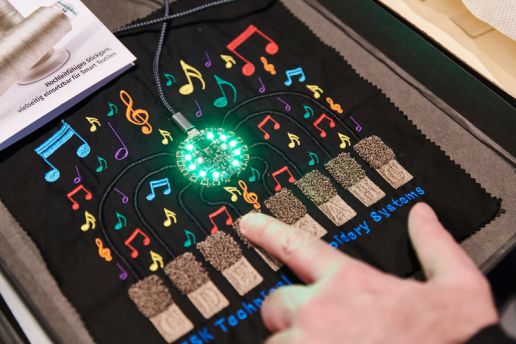
Sustainability as an Innovation Driver – these were the most important issues at KEYHOUSE
Besides the all-encompassing theme of sustainability, technology and digitalisation were the predominant subjects for discussion at the KEYHOUSE, the Innovation Think Tank of MUNICH FABRIC START. There was a great need to talk, both at the stands and in the discussions and round tables with high-calibre panelists at the KEYHOUSE FORUMS.
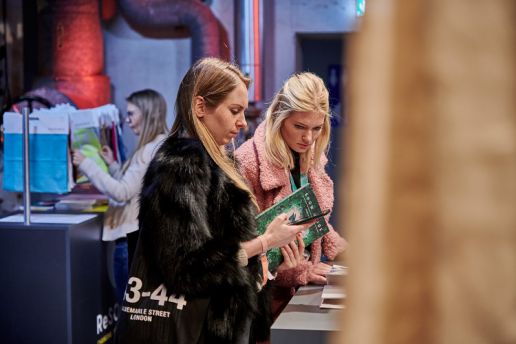
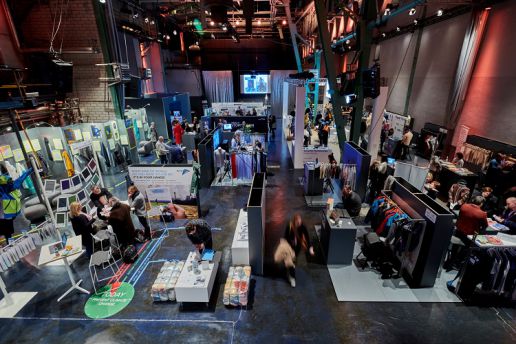
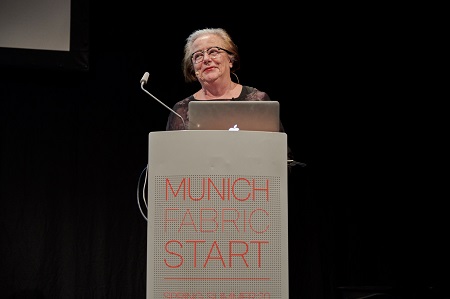
The keynote speech on “The Circular Economy Journey of Sustainable Luxury Pioneers” of Kresse Wesling, Co-Founder und Director of Elvis & Kresse made it clear that sustainability has long become more than a niche topic for environmentalists. She showed that today’s luxury sector sees an increasing demand for sustainable fashion and accessories. On a cross sectoral level David Shah, owner of VIEW talked about “Why Performance, Comfort and Sportswear Fashion will dominate Apparel for the Foreseeable Future”.
Another highlight certainly was the contribution of Li Edelkoort – one of today’s most important trend forecasters. The visionary presented trend directions for Spring.Summer 2020 and unpublished content for the Colour Forecast for Autumn.Winter 2020/21 in an exclusive seminar.
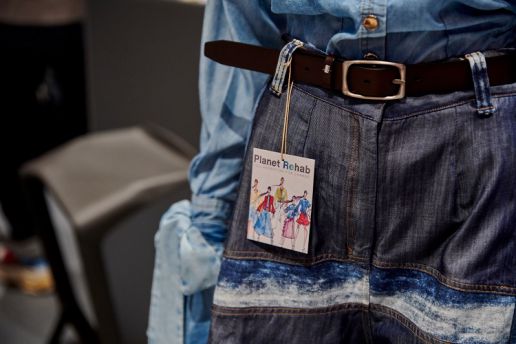
With the help of digitalisation but also with innovative supply chain partners more sustainable results can be achieved in the long run. This has been proven by the Planet REhab collaboration of designer Juan Carlos Gordillo who created a collection made of TENCEL™ und TENCEL™ x REFIBRA™ fibres from Tejidos Royo. The fabrics were dyed with Recycrom-technology by Officina+39 und then equipped with a finish by Tonello. The result, which could be inspected at KEYHOUSE, demonstrated impressively how the sustainability aspect itself acts as an innovation driver. A further example was given by Swedish company We aRe SpinDye® who have revolutionized the dyeing process of polyester for the textile industry. They were the first to succeed in developing a fully certified dyeing process including all production stages, which sets new standards with respect to clean colours and environmental engagement.
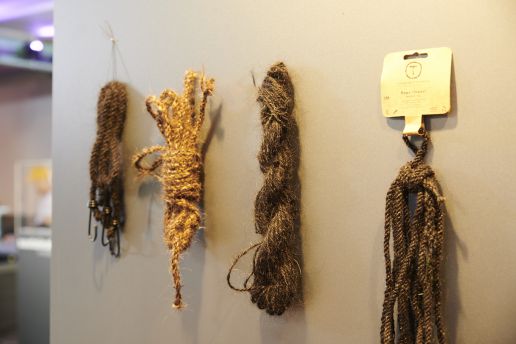
Beyond this, the exhibition format SUSTAINABLE INNOVATIONS at KEYHOUSE showcased the visionary spectrum of the latest material innovations and future orientated sourcing concepts. Here the innovation aspect is on sustainability in particular. For the current season, Diane Scherer presented her project Interwoven, in which the root structure of plants is being transformed into fabrics.
Another example of botany is given by Dutch designer Nienke Hoogvliets. She demonstrated, how algae blooms can be utilized to attain textile colours and environmentally friendly yarns.
Another focal theme at KEYHOUSE was the presentation of the Hightex Award. The winner of this year’s innovation award was Becker Tuche, Aachen. The company received the award for a new product development combining wool and Cordura with spandex – super lightweight and highly functional. The runner up was Soorty Enterprises with an extremely lightweight, recycled and water-repellent denim in a Tencel/nylon blend and in third place came Mectex by Manifatture Italiane Scudieri. The Italians are known for their high-tech developments in the sports and outerwear segment and come up with new ways and solutions for fusing comfort and function.