

Sustainability
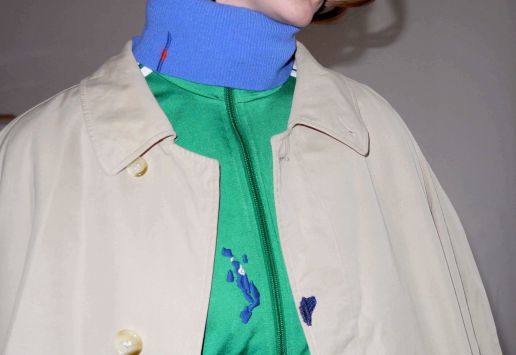
Perfect Imperfection by Studio Mend
SUSTAINABLE INNOVATIONS Autumn.Winter 21/22 #3
FABRIC DAYS presented futuristic innovations of international manufacturers. Besides, Sustainable Innovations curator Simon Angel introduced innovative developments of young designers in the SUSTAINABLE INNOVATIONS forum.
“Rethinking old traditions and adding a contemporary note to them can create innovation – sometimes you don’t have to come up with something entirely new to be innovative”, states Simon Angle in our interview with him.
An example of this “traditional innovation” is:
PERFECT IMPERFECTION BY STUDIO MEND
A new pair of jeans for 29,99€, a t-shirt for 7,99€. Constantly changing trends, synthetic fabrics and inferior quality: Since fast fashion conquered the world in the 1960’s, new clothes are available everywhere and at all times. What is broken is thrown away and what is no longer in fashion lies unused in the cupboard. More than two million tonnes of textile waste are generated annually in the European Union alone. When did our relationship to clothing change in such a way? This question was asked by the young fashion designer Sunniva Amber Flesland. She founded Studio Mend in 2019 to bring back the emotional and material value of what we wear.
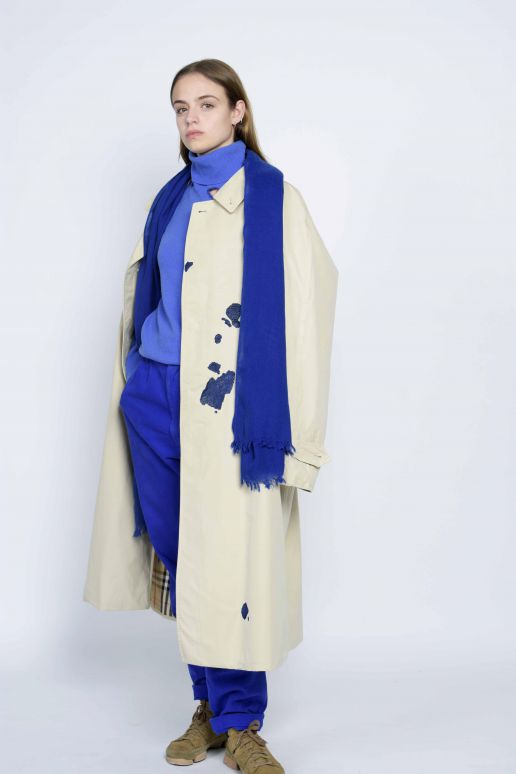
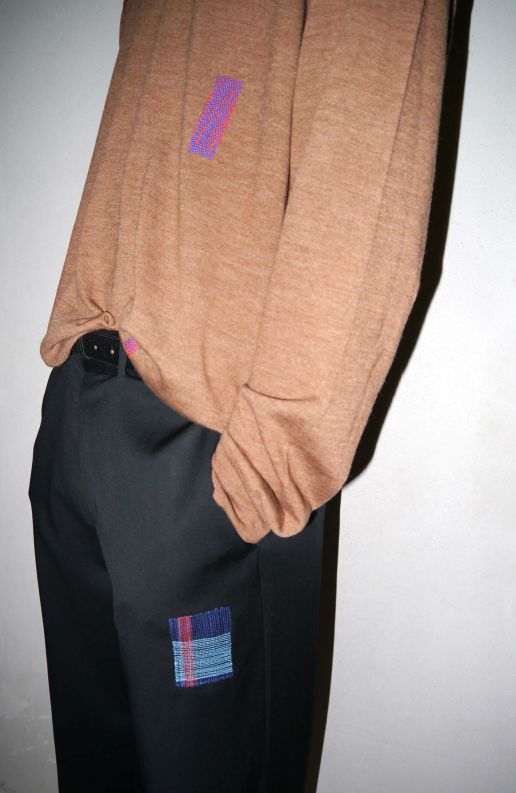
“I am excited by raw material, old crafts and traditions, beauty, and looking for potential where it’s not easily seen.”
Sunniva Amber Flesland
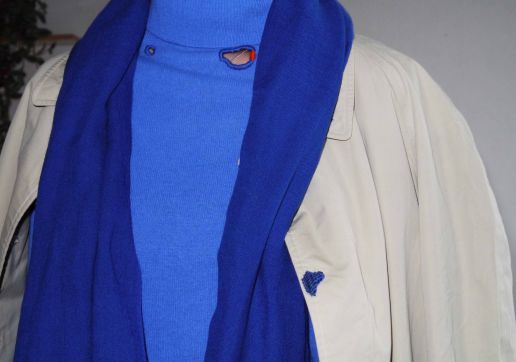
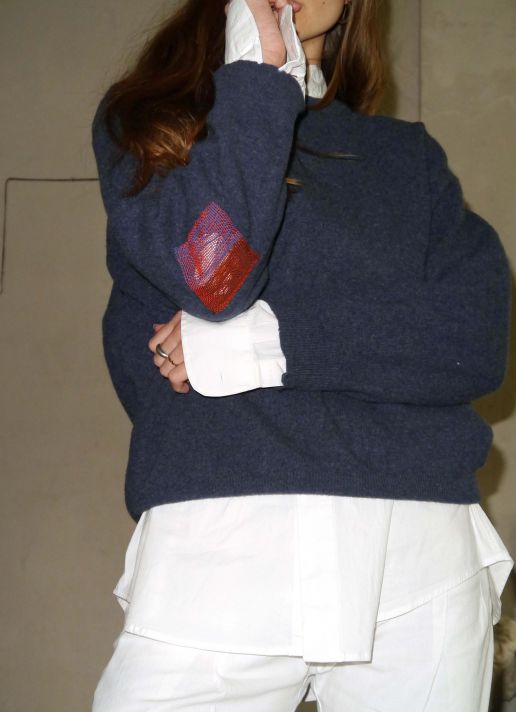
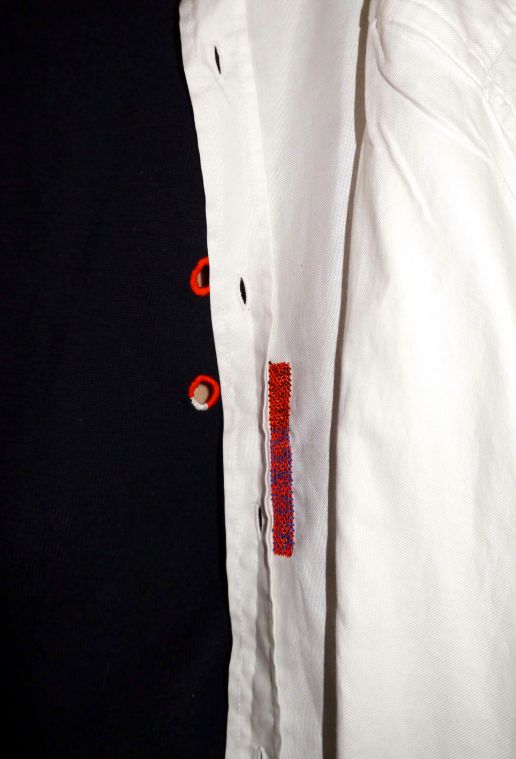
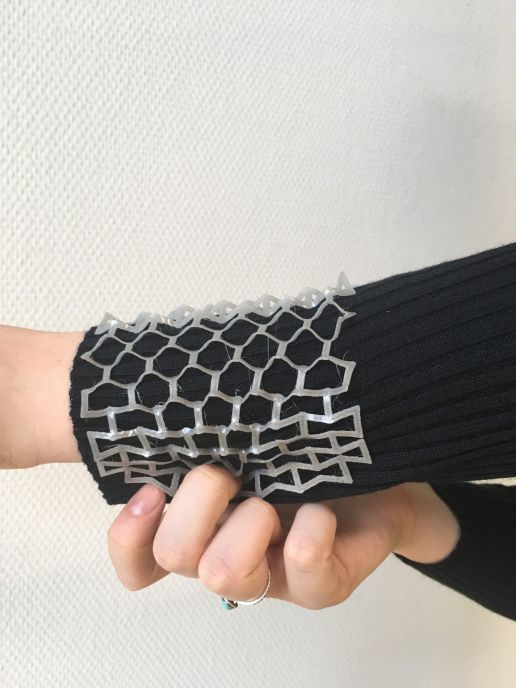
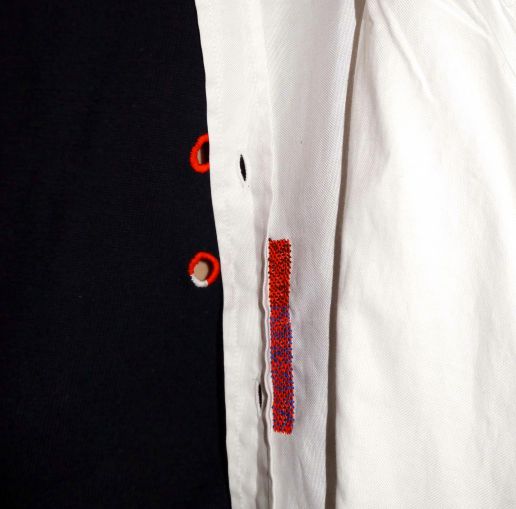
Appreciate, repair, refine: At Studio Mend, traces of wear and tear from through the lifespan of the garments are repaired in a very special way. Island Weave, Edge Mend, Pinstripe Patch, Crossover Stitch: The customer can choose between these four carefully developed technical styles to make his or her damaged favourite piece whole again. In combination with individual colour designs, valued and unique pieces are created. The acceptance of transience and imperfection – this is the basic principle of the Japanese philosophy Wabi Sabi, which served as inspiration for Flesland. Instead of hiding faults, they are celebrated as signs of an eventful life. Visibly and ingeniously, the artist creates valuable, aesthetic and unique pieces as a statement for a better fashion world.


Solar Self by Pauline van Dongen
SUSTAINABLE INNOVATIONS Autumn.Winter 21/22 #2
Every season, Simon Angel is searching for the four most futuristic SUSTAINABLE INNOVATIONS.
These four sustainable developments have been presented at FABRIC DAYS – one of them being this textile innovation that combines technology and fashion in a unique way:
SOLAR SELF by PAULINE VAN DONGEN
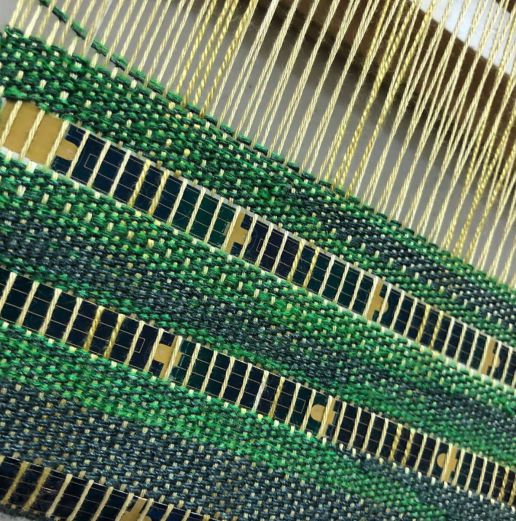
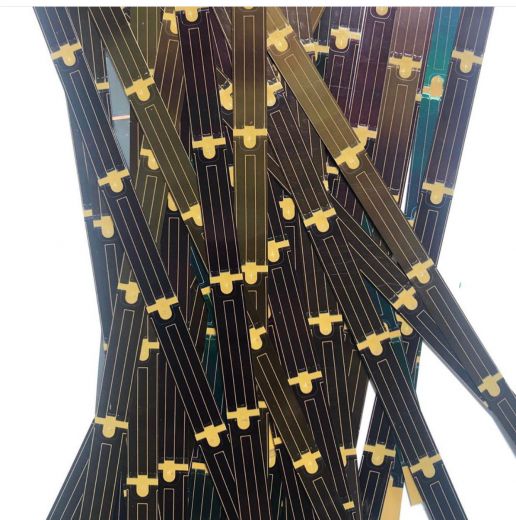
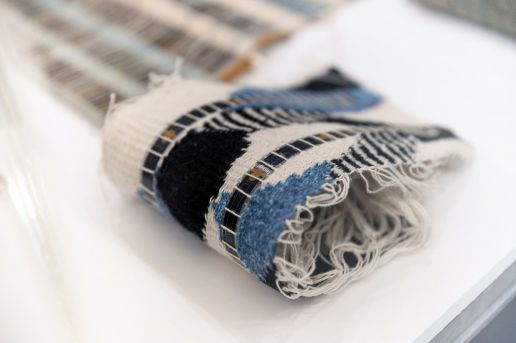
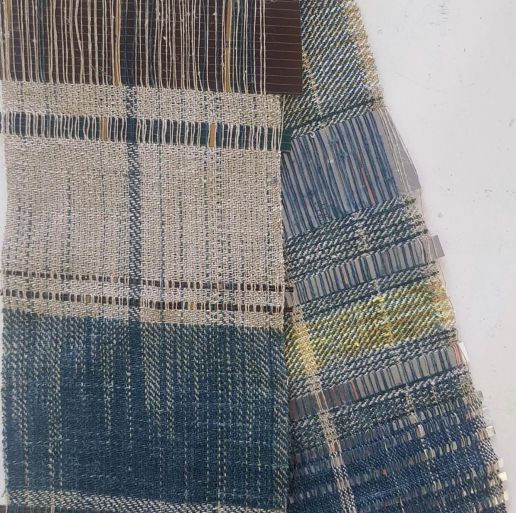
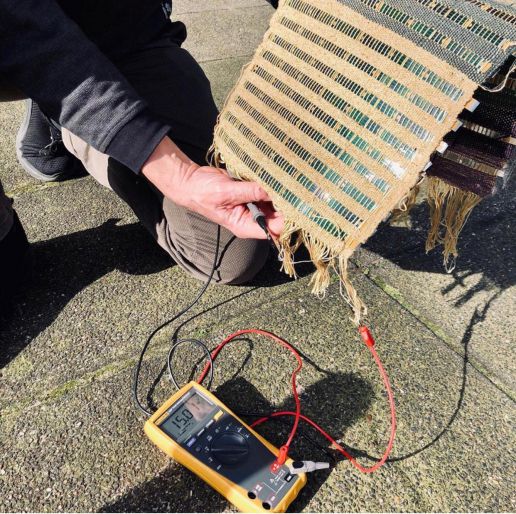
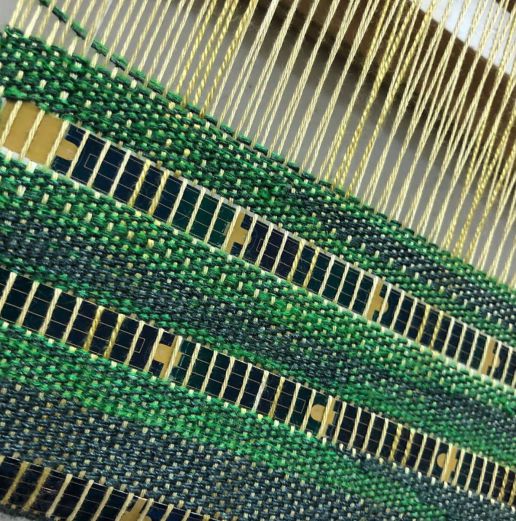
A dress to recharge your smartphone? What sounds like utopia is already tangible reality. For their project “Zonnestof” (“Sun Dust”), Pauline Van Dongen and Maaike Gottschal have developed a woven textile with thin, flexible solar cells, thus creating new aesthetic qualities and material properties. A play on colour, texture and transparency: By combining the solar cells with different yarns and various weaving patterns and techniques, a wide range of textiles can be produced.
“The creative process invites people to participate, to explore their dreams and wishes as well as to show what role solar energy can play in their daily lives. All participants become owners of the project through their contribution and thus part of a larger movement.”
Pauline van Dongen
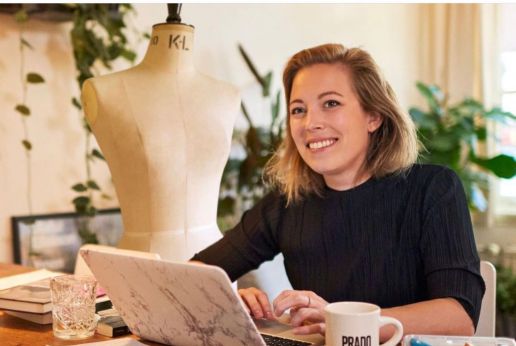
But the Dutch fashion designers and researchers are not only interested in embedding technology in fashion. The initiators of the project are much more interested in the social experience of working with solar fabrics and wearing technology on the body. In workshops, the project invites the participants to create their own piece of “solar design” and weave a sustainable future. Instead of seeing nature and technology as opponents, Van Dongen and Gottschal want to make technology something that goes without saying. And it is not only fashion that can gain unprecedented added value from solar fabric: The textile can also be used in architecture or interior design, for new transport concepts and in public spaces as well as for events and festivals.
Living Material by Iris Bekkers
SUSTAINABLE INNOVATION Autumn.Winter 21/22 #1
SUSTAINABLE INNOVATIONS curator Simon Angel presented four developments for the season Autumn.Winter 21/22 at FABRIC DAYS at the beginning of September. The Dutchman is always on the search for interesting young designers, outstanding innovations and the latest novelties in the textile world.
In our latest interview with him, he stated: “With the Sustainable Innovation forum, we present the near future and showcase what already is possible.”
Let us now present you the first of this season’s SUSTAINABLE DEVELOPMENTS:
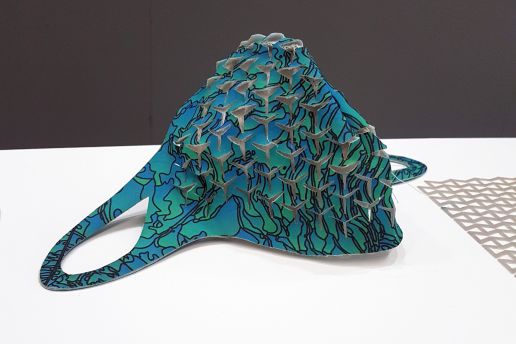
LIVING MATERIAL BY IRIS BEKKERS
Doesn’t fit anymore, doesn’t fit properly: Many of our favourite pieces of clothing lose their shape after a short time and are shipped directly to the nearest garbage dump. Textiles that adapt to individual body shapes and external conditions could reform the fashion and textile industry.
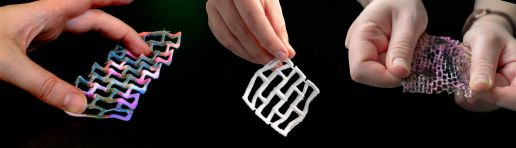
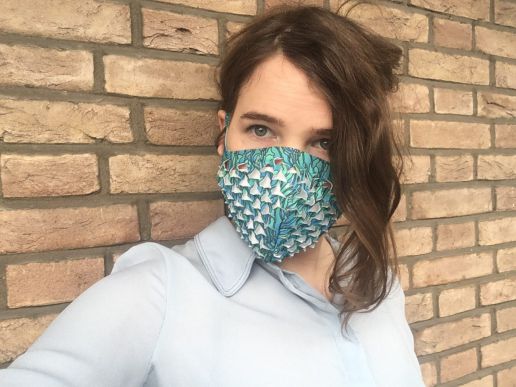
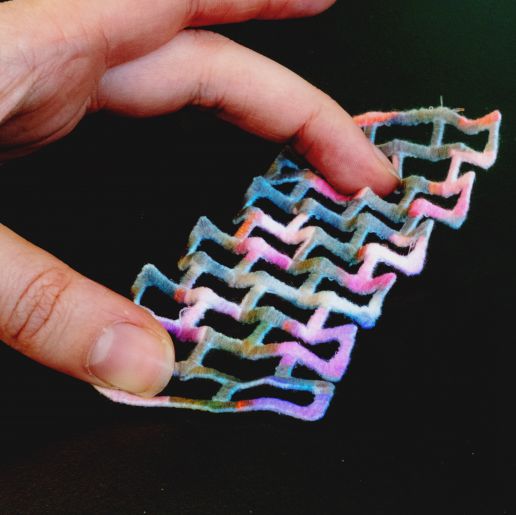
To create such textiles, product designer Iris Bekkers uses auxetic materials in her project “Moving Structures”, i.e. stretchable materials that can adapt their structure to their surroundings. As part of her final project at Eindhoven University of Technology, she has developed a special face mask that not only adapts to different face shapes, but also adapts its filter function to the environment and is very breathable.
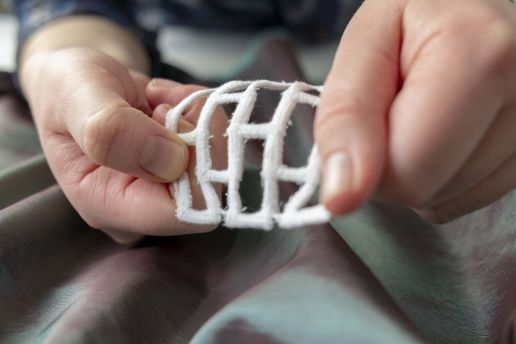
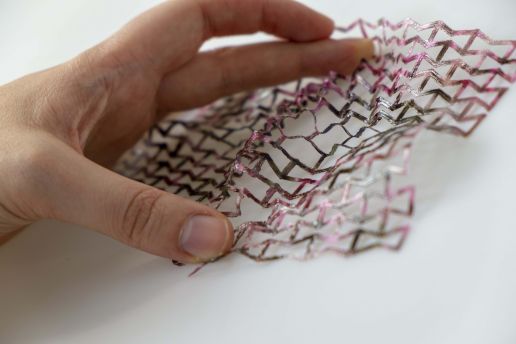
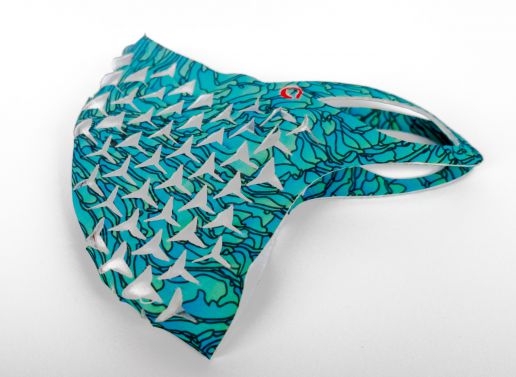
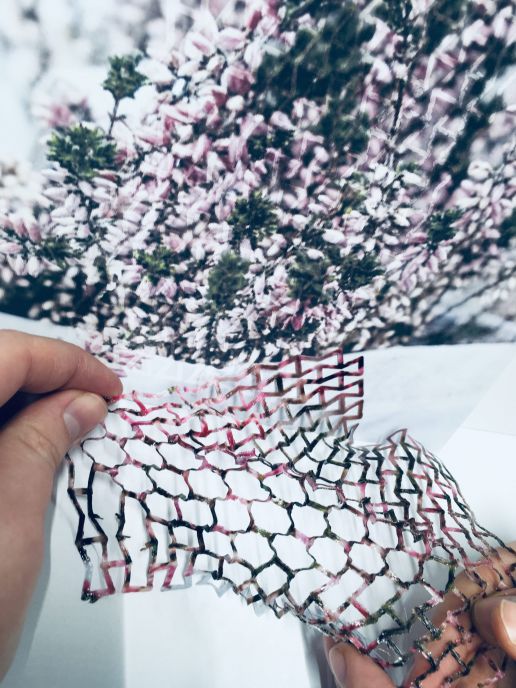
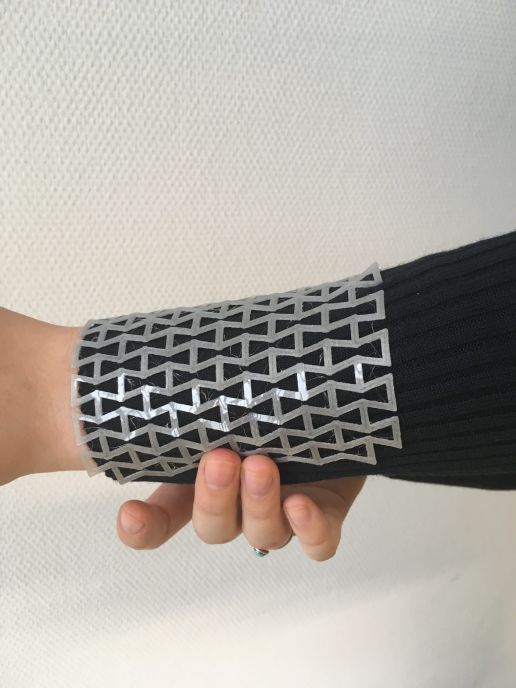
More comfort, longer wearing time, less waste: Due to their geometric structures, auxetic materials become thicker when stretched, rather than thinner like most fabrics. The potential of such fabrics ranges from jackets that adapt to the seasons and can therefore be worn in summer and winter, to shoes that change their flexibility and stability as required. Bringing the material to life: For her designs, Iris Bekkers not only thinks about the material and its texture, but also about the context in which the fabrics are used and enjoyed. Only in this way can her designs combine man and nature.
“The auxetic samples are the start and inspiration for a range of products that can adapt and transform themselves, functioning optimally in different circumstances. The potential for adaptability results in more value, more function and a reduction in the quantity of materials and products necessary.”
Iris Bekkers
Plan Your Visit To FABRIC DAYS
BACK TO BUSINESS WITH FABRIC DAYS
Business, inspiration and industry exchange – this is what awaits you at FABRIC DAYS from 1 – 3 September 2020 at MOC Munich. Start now to plan your safe visit at FABRIC DAYS and browse our collections ahead of the show.
We feel the need and the enthusiasm of the industry to meet face to face again and to gather new inspiration. At FABRIC DAYS, you get the chance to meet your suppliers in person and to experience fabrics and accessories in real life. Use the three fair days for collection design, exchange and inspiration!
We want to provide you and the industry with the right tools to return to business: a professional event, our selected portfolio and an inspirational trend forum. Now it’s your turn: Share the HOPETIMISM spirit and the need to take action again with us.
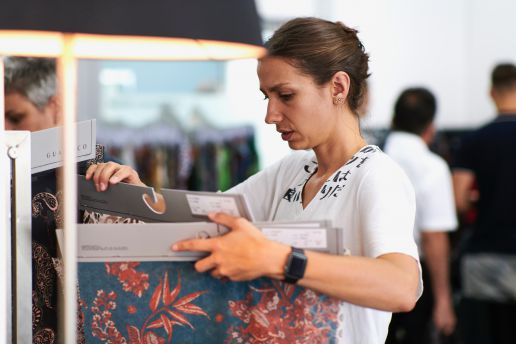
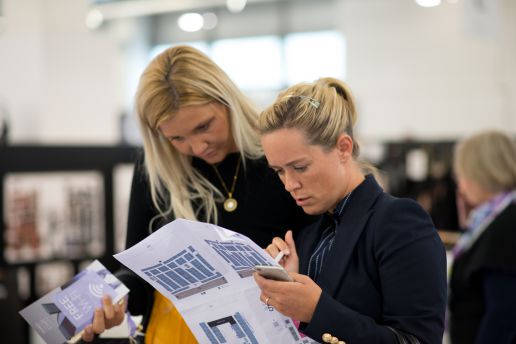
We are very motivated to organise the first textile trade fair after lockdown as we enter the final stages of organisation. FABRIC DAYS will present a select portfolio of around 700 collections presented by 300 significant German and European exhibitors. Novelties for Autumn.Winter 21/22 are presented across 5 sections: Fabrics, Additionals, Denim & Sportswear, Innovations and Sourcing.
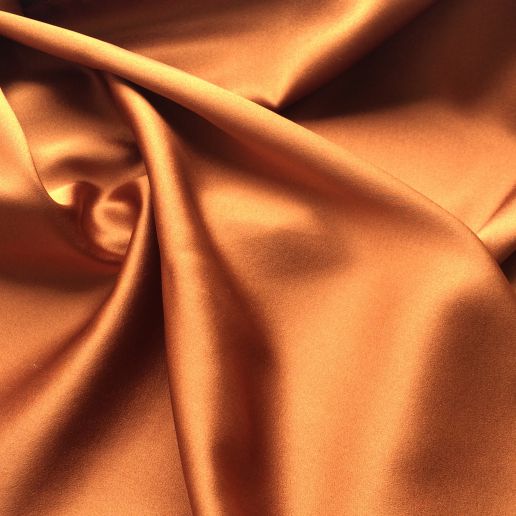
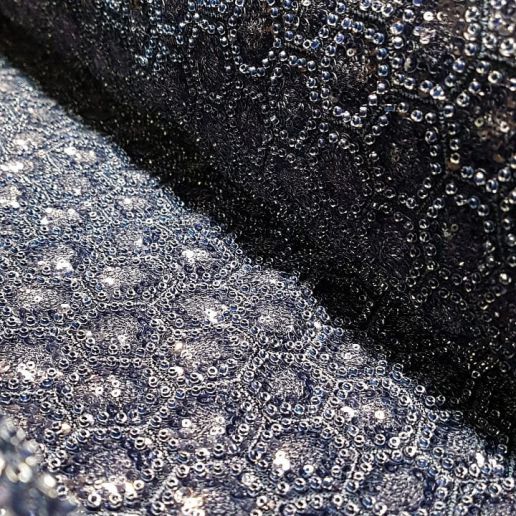
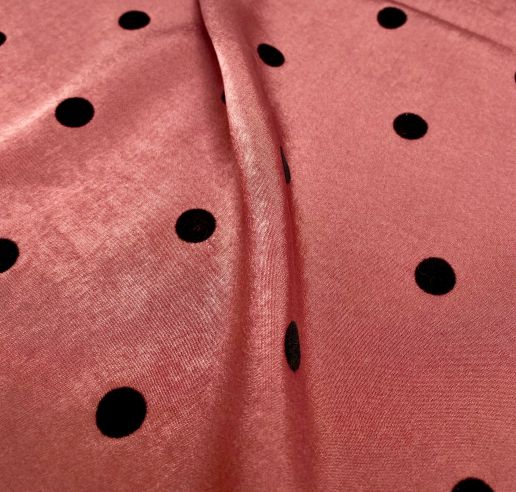
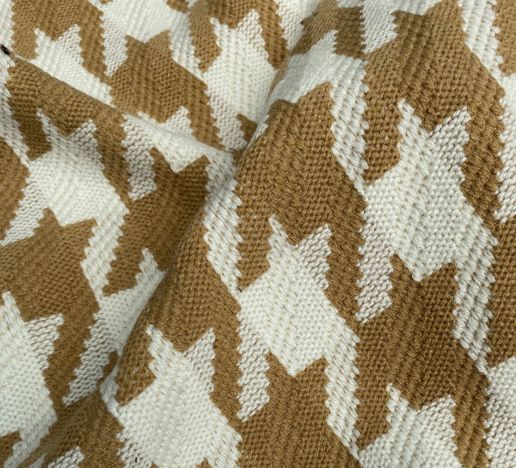
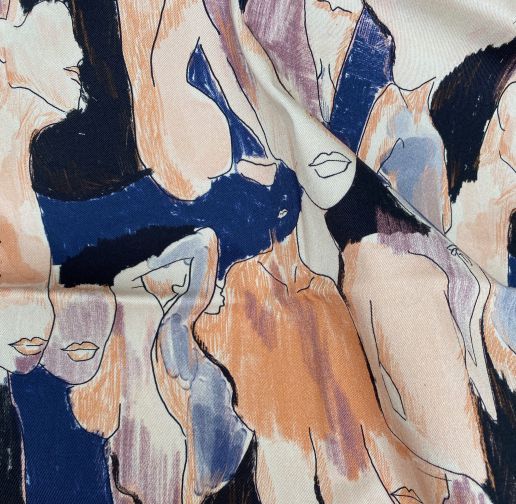
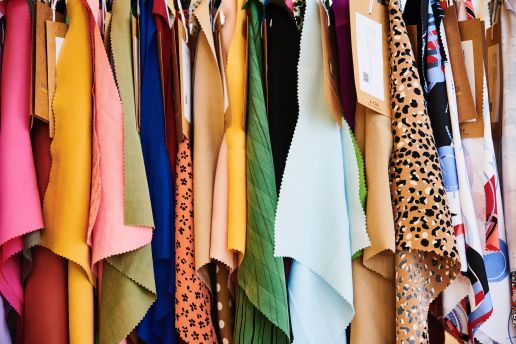
Autumn.Winter 21/22 novelties from (f.l.t.r.): Pongees, Leadford & Logan, Ercea International, E. Miroglio, Bitzer u. Single
Most of the participating manufacturers at FABRIC DAYS are our established partners with sometimes decades of experience exhibiting at our MUNICH FABRIC START shows. But we also have some very exciting “new entries” this season like Vialaton Martin & Fils in the Fabrics area, Bartateks Tekstil in the Denim area, Smartfiber AG at Innovations and Le Studio Copenhagen in our Design Studios area. We are very thankful for the trust the industry has in us – be it manufacturers who have supported us over the years or exhibitors who are brave enough to participate the first time during these challenging times.
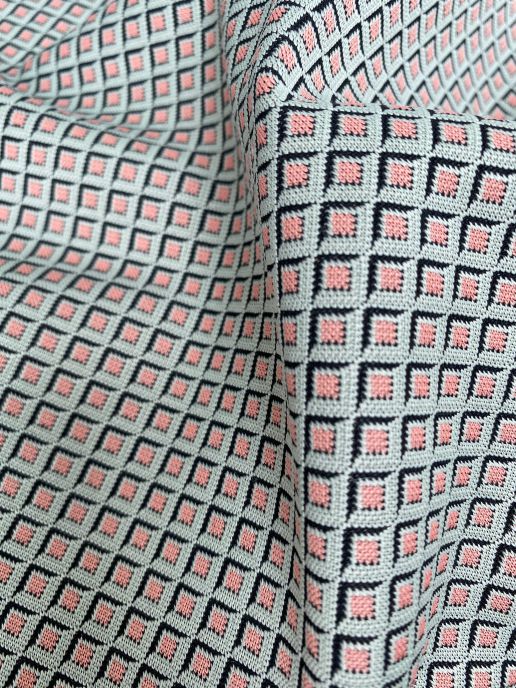
Pontetorto
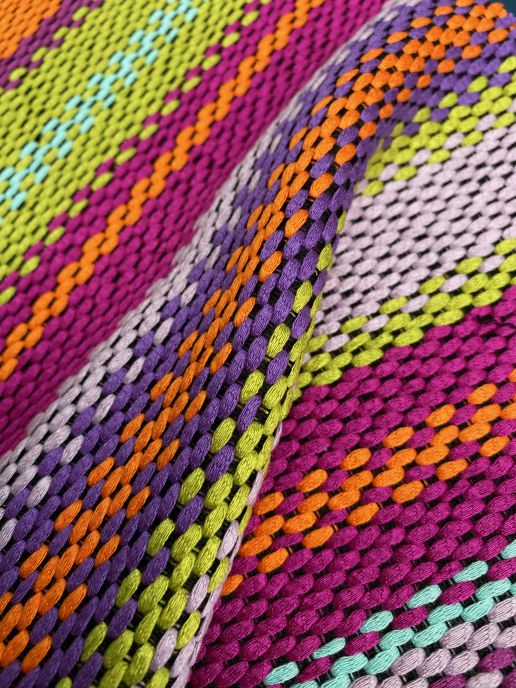
La fille
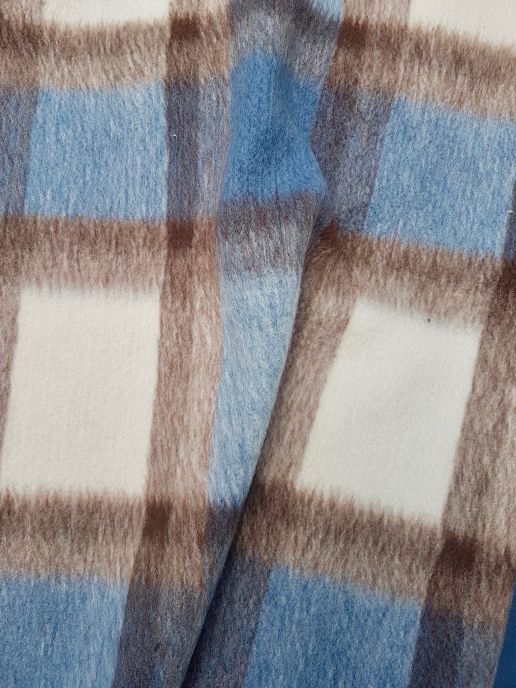
Furpile Idea

Free Time, Zoeppritex
Plan your trade fair visit now by browsing all exhibitors and get an overview of the offer in our BRAND SEARCH.
Now also available for FABRIC DAYS, you can also get additional information about exhibitors and the trade fair via our official MUNICH FABRIC START TRADE FAIR APP – available for download in all App Stores. The app launched in 2019 offers the chance to plan your visit before the show and collect exhibitor information during as well as after the fair.
Please be sure that we are well aware of the great responsibility and challenge that comes with organising an event in the current times. We have implemented extensive measures and hygiene rules, which go beyond local and international requirements, in order to minimize the risk of infection on site.
The entire planning and layout of the fair areas is designed to prevent crowding while considering the valid hygiene and safety measures. We have limited the exhibition space to the easily accessible halls 1 – 4 on the ground floor of the MOC with corresponding aisle widths throughout as well as defined entrance and exit areas. All necessary precautions are taken to ensure the minimum distance of 1.5m can be maintained at all times. We have also switched to purely digital ticketing with controlled access points by only trade professionals in order to minimise contact.
You can find our Hygiene and Safety FAQ as well as regular Covid-19 updates via the FABRIC DAYS homepage before the show as well as on site via suitable media and specially trained personnel.
Our tip: Arrange appointments with your most important partners now in advance and divide your team in the best possible way – then, alongside the measures taken regarding infection protection, there is nothing standing in the way of a safe and relaxed visit to the fair.
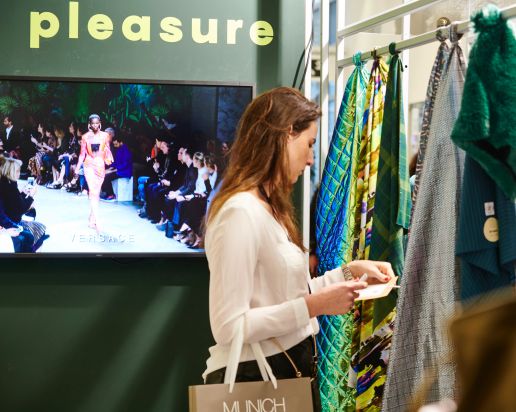
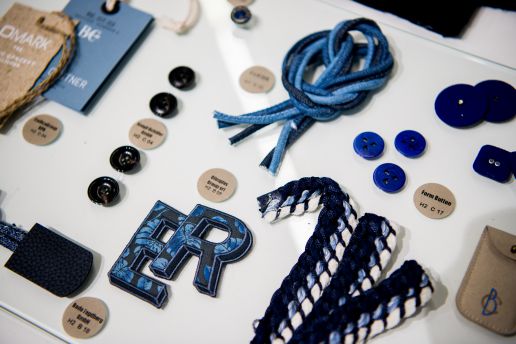
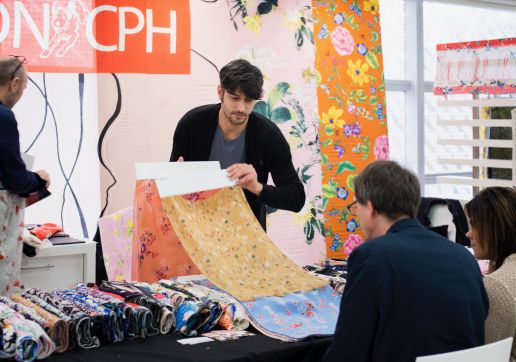
In addition to the select exhibitor portfolio, we were able to organise an informative trend forum under the seasonal title HOPETIMISM at FABRIC DAYS. You will have the chance to get an insight into the trend themes and be inspired for your collection design and order planning. As well as the in-depth descriptions of each of our seasonal trend themes, the trend forum also includes relevant fabrics from our exhibiting manufacturers. Detailed insights into our trend themes, their influences and seasonal colours can also be found in our TREND FORECAST for Autumn.Winter 21/22 – now available for sale.
What’s left is to organize your arrival and your stay in Munich. We are also having some tips for you about these topics – have a look at our DIRECTIONS & PARKING and our HOTEL RECOMMENDATIONS. We can’t wait to see you at FABRIC DAYS!
FABRIC DAYS AUTUMN.WINTER 21/22
OPENING HOURS
1 SEPTEMBER 2020 · 9.30 AM – 6.30 PM
2 SEPTEMBER 2020 · 9.30 AM – 6.30 PM
3 SEPTEMBER 2020 · 9.30 AM – 4.00 PM
LOCATION
MOC Munich | Halls 1 – 4 Ground floor
Lilienthalallee 40
D – 80939 Munich
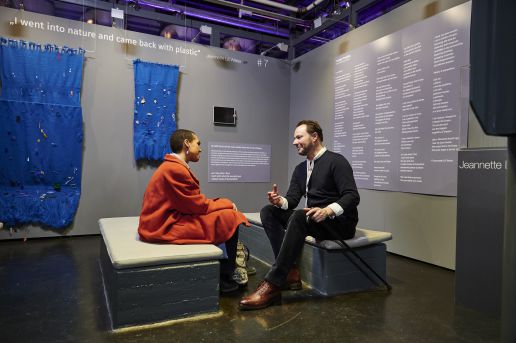
SUSTAINABLE INNOVATIONS, Big Changes & New Challenges
SUSTAINABLE INNOVATIONS, BIG CHANGES & NEW CHALLENGES
AN INTERVIEW WITH SIMON ANGEL
An interview with SUSTAINABLE INNOVATIONS curator Simon Angel – the Dutchman who is always on the search for interesting young designers, outstanding innovations and the latest novelties in the textile world. You will find Simon and the four SUSTAINABLE INNOVATIONS he chose this season in the foyer of hall 4 at FABRIC DAYS.
- Simon, what new innovations can we expect this season?
Rethinking old traditions and adding a contemporary note to them can create innovation – sometimes you don’t have to come up with something entirely new to be innovative. This edition ‘the new thing’ is referring to something old like weaving, repairing and recycling. For example, weaving with solar-panels from Pauline van Dongen, repairing as value-creation from Studio Mend or value adding applications by Auxetics and industry ready, recycled bioplastic fabrics by Studio YouYang. All these projects use traditional crafts and materials, but in a new and innovative way.
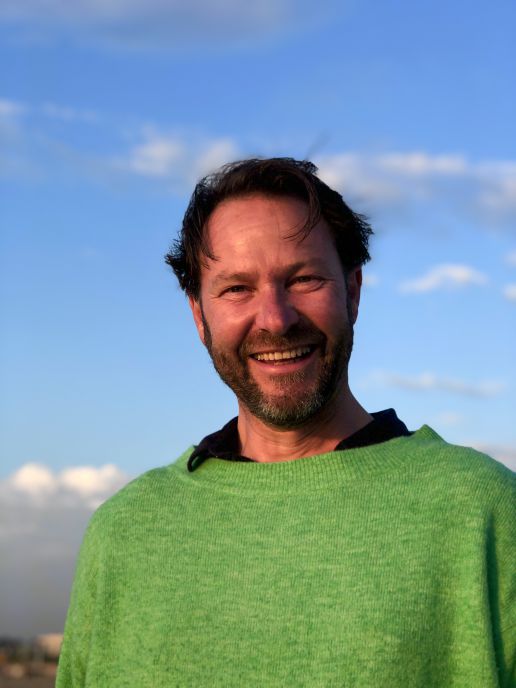
2. In 2020, the Corona pandemic brought the world to an unscheduled stop. But the crisis has also sped up the movement towards a more sustainable lifestyle. How will this shape innovation?
As you know, I’m an optimist. This year’s developments actually encouraged change. How you look at things makes a big difference in order to get yourself in the right inspired mode. Pandemics or heatwaves are nature’s way of confronting us. Just like we are experiencing changes in our environment, the nature experienced changed by humans for years and is now responding to us. All this is leading us to a dialogue with nature – a much needed one. Bit by bit we realise we exist as part of nature. Designers, scientists, the industry and consumers change their habits and question old methods. Finally, most of us start to realise what is necessary to ultimately save our world. We can only achieve that, when we are searching to find the balance with ourselves and with nature.
- It is the sixth time that you are curating the SUSTAINABLE INNOVATIONS. How has this year’s edition been different?
The responses to sustainable innovations are new. The dialogue is getting serious. For example, have a look at the location of the Sustainable Innovations forum this year: It has moved from the Keyhouse to the main hall, right in the heart of the industry. Right at the spot where the big changes happen.
- This year’s innovations are all about the material: textiles created out of biowaste fabrics, adapting its shape to the environment – can you give us a glimpse into the material of the future?
With the Sustainable Innovation forum, we present the near future and showcase what already is possible. As you can see, this future finds its inspiration in old traditions, crafts and resources. But what comes after that? It is hard to predict as the world is losing its linearity as we know it. More and more, we are moving towards an era of adhocracy. Transferring this into the material and textile world: design and shapes will not be the main focus of designers anymore. Materiality and comfort will experience a comeback – and we will have to redefine the product development process and all that entails. We have to open our minds and let go of expectations. We have to source from our universal knowledge to create something that in this form has never been there before.
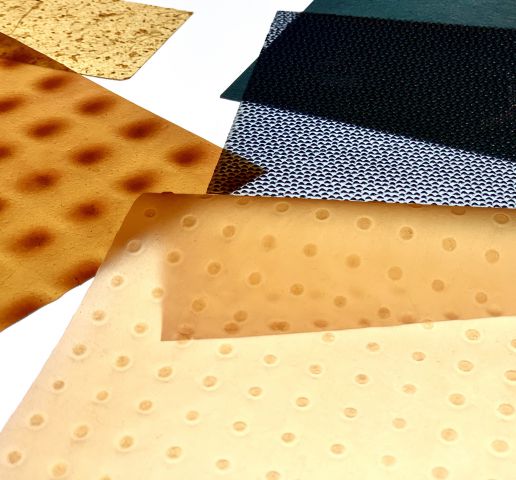
- How can we see the current situation as an opportunity to innovate, rather than for all the challenges it presents?
This situation shows on a holistic level, that humans have to develop themselves and challenge the Status quo. Enjoy the experience as it opens up new horizons which we could never have dreamt of. Look at the Munich Fabric Start, with the Fabric Days they showed how to deal with unforeseen obstacles and ever changing circumstances – a pretty good demonstration of a future recipe for attitude, mental shift and permanent dialogue. So yes, let’s see every day as a chance for a better tomorrow.
Learn more about Simon’s sustainable novelties for the season Autumn.Winter 21/22 during the three days of FABRIC DAYS from 1 – 3 September 2020 at MOC Munich.
FABRIC DAYS AUTUMN.WINTER 21/22
OPENING HOURS
1 SEPTEMBER 2020 · 9.30 AM – 6.30 PM
2 SEPTEMBER 2020 · 9.30 AM – 6.30 PM
3 SEPTEMBER 2020 · 9.30 AM – 4.00 PM
LOCATION
MOC Munich | Halls 1 – 4 Ground Floor
Lilienthalallee 40
D – 80939 Munich
Disruption and Transformation in the Textile Value Chain
Disruption and Transformation in the Textile Value Chain
Future Supply Chain Expert Panel Discussion at MUNICH FABRIC START
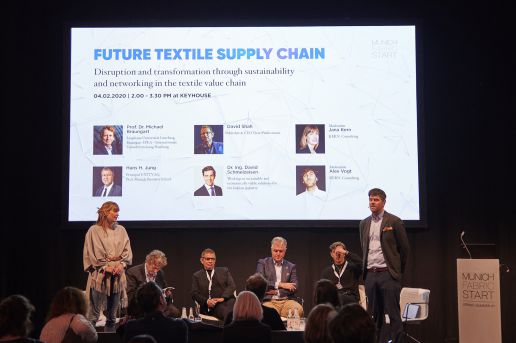
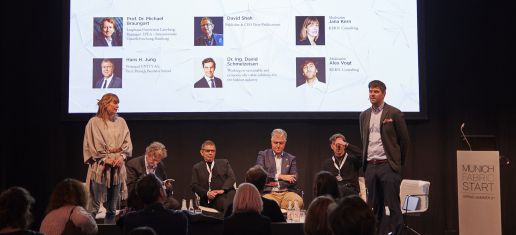
In the February edition of MUNICH FABRIC START, KEYHOUSE hosted an expert led panel discussion, merging their collective knowledge and experience under the topic, ‘Future Textile Supply Chain – Disruption and transformation through sustainability and networking in the textile value chain’. Moderated by Jana Kern & Alex Vogt of KERN.Consulting with Prof. Dr. Michael Braungart (Braungart EPEA), David Shah (View Publications), Hans H. Jung (Unity AG) and Dr. David Schmelzeisen (RWTH Aachen).
The fashion industry is currently facing unprecedented challenges as a result of COVID-19, especially critical are those concerning the global supply chain. Change is accelerated during these times and it has become crucially important to share our collective knowledge and expertise in order to develop positive, future proof solutions. On the KEYHOUSE stage, our industry experts exchanged their thoughts and expertise, offering their unique insights and key points for further action and reflection.
How attractive has the option of localisation become to companies?
While local production may look like an attractive alternative that could perhaps satisfy a growing standard of consciousness and need to keep up with demand, it is problematic because companies will always seek out the cheapest option, said David Shah as he offered a further insight:
“Turkey will become the new ‘China’ to Europe, just as Mexico will become the new ‘China’ for America.”
On the one hand, there are the typical pressures demanded from the point of view of the manufacturer which will always exists, such as; speed, price, product diversity, range and lifespan, speed of delivery as well as waste reduction. However on the other hand there is now a need to satisfy the consumer demand for those who are seeking a more meaningful experience, individuality and faster to market which is almost counterintuitive.
To what extent will consumer demand for sustainable manufacturing shape current business practices?
While fashion movements, professionals and activists advocate for greater transparency and traceability which can ideally change this damaging mind-set mentioned previously, panellist David Schmelzeisen believes it is still the case that the majority of end consumers want faster change times but at the same time lower prices. He believes that the controlling power does not yet lie with the conscious consumer, adding:
“We need to be more flexible and that is where digital technology comes in and why we will see a lot of changes in the future. For this we need smaller MOQ’s (Minimum Order Quantities) which is leading producers to look for new digital and technical solutions as well as new design solutions.”
How can digitisation provide a solution for more accurate production quantities?
Digitisation is transforming the entire supply chain, the connection between production and actual customer demand is getting closer. Hans Jung believes digital tools offer the unique opportunity to learn what the customer wants, such as with customer interface throughout all the different stages of usage, acting as a systematic feedback loop for optimisation. He states
“Production industries are now evolving and adding additional functions in a much more sustainable way than in the past.”
How crucial is the practice of circularity for the textiles industry in the future?
Circularity is crucial to the future of our industry and it should be explored as there is a lot of opportunity to build on this kind of system within the textile industry. Michael Braungart strongly believes the future lies in opening up the circular processes and materials which conventionally may be contained to only the textile industry. As these may have other relevant applications in production industries across various stages of the process and thus increasing the effectiveness of circularity. He also shared his crucial opinion that where brands use smart textiles, there must be an equally smart effort to communicate with the consumer. It is important to educate the consumer on how to use the product better for circularity to truly be in effect.
Want to know more? Watch the full discussion now available on our YouTube channel.

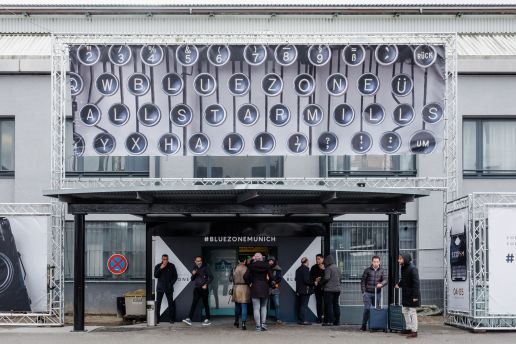
Ecosim – BLUEZONE Presents Denim Beyond the Seasons
ECOISM
Reject egoism, create ecoism, rewrite your future.
Our world needs to spare a thought… consumption, mass production, benefits and our ecosystems. ECOISM thrives on our need for a better world, for true sustainable solutions and the rethinking/overhaul of our industrial blue planet.
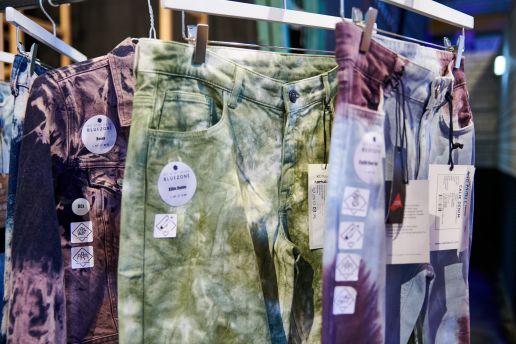
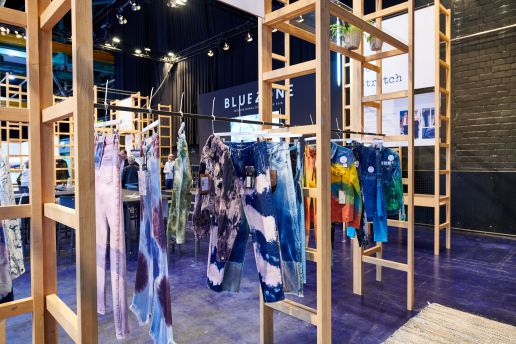
In a denim world moving at social media speed, denim trends are key to benefit end consumers and the industry with a clear direction. The BLUEZONE trend direction is split into two main categories to reflect our present and our future: themes which directly address fabric and product development, such as NO STRETCH or BLUE WELLNESS. And themes which tackle the important trending styles in our world, such as POWER DRESSING and ANTI BEAUTY.
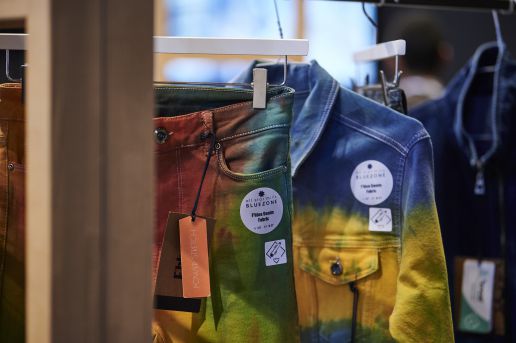
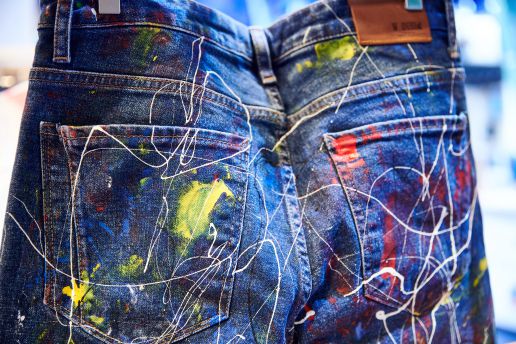
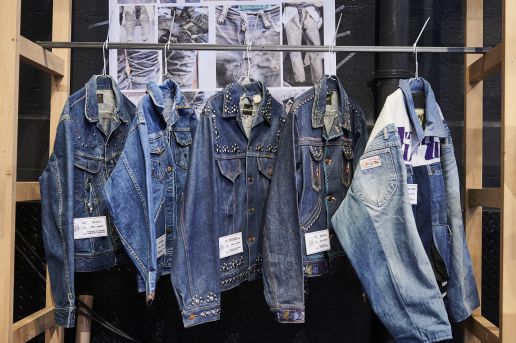
SHARING becomes more than a simple theme, it is the space where business becomes altruistic, where growth rhymes with sharing profit: A different way of conceiving denim in our modern world. “Sustainability is not a trend, but every trend should be sustainable.”
The following trend directions develop under the main topic ECOISM:
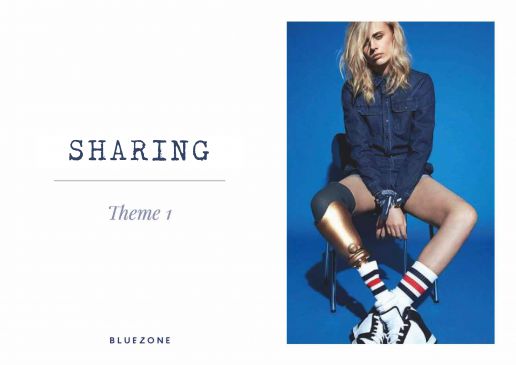
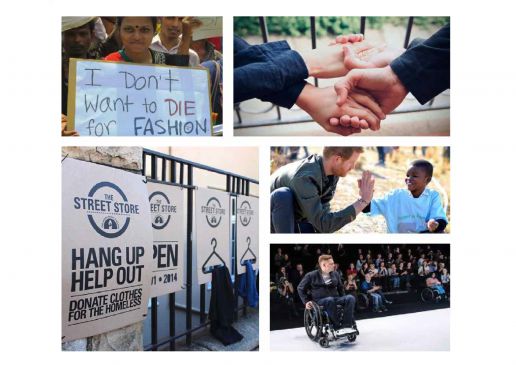
SHARING
Altruistic manufacturing, altruistic products, brand initiatives. Think: Products made in collaboration with people in need, small associations, handicapped. Products in which the benefits go to those in need.
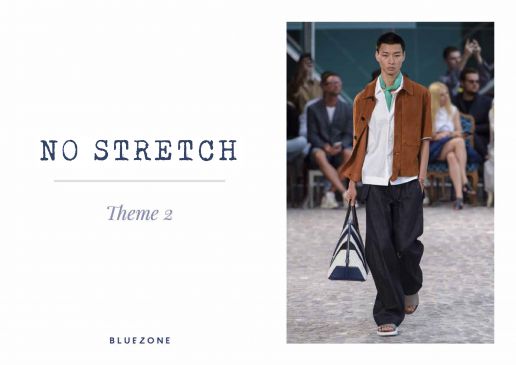
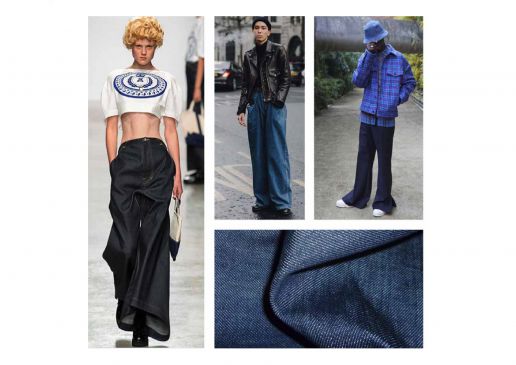
NO STRETCH
Novelties without stretch…male & female, gender neutral. Think: Wider fits are their way to becoming mainstream and need a new generation of more rigid, more compact fabrics. Trend looks are more relevant with crisp somewhat rigid denim. Surfaces might be soft but compact weaving is key.
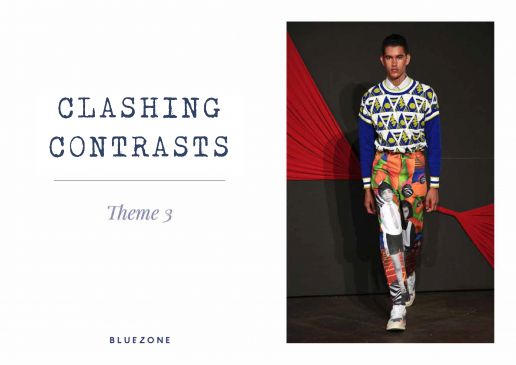
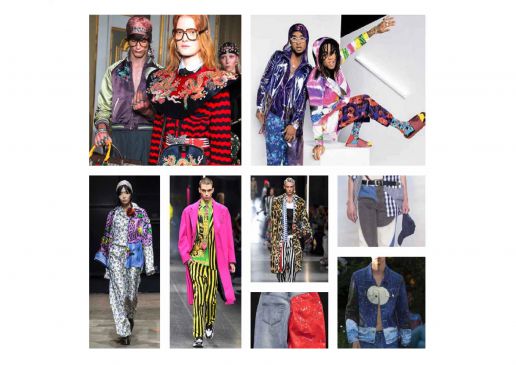
CLASHING CONTRASTS
A revolution in taste is key. Printed denim, coloured denim, and striped denim. Think: Jacquards, fancy weaves in unusual patchworks, layers, colour blockings. Strange visual matches, creating the antidote to harmony.
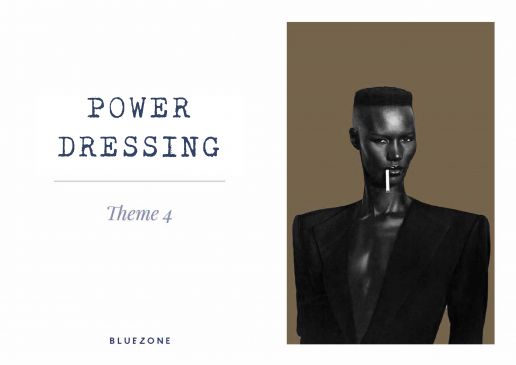
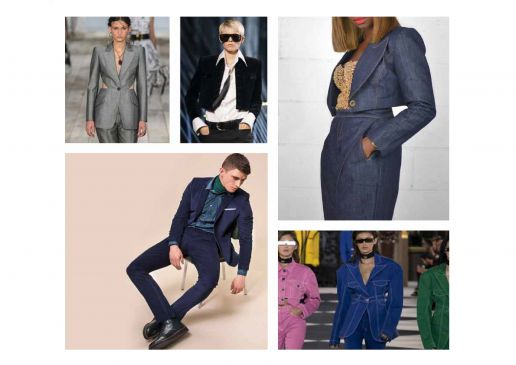
POWER DRESSING
Power dressing for a tough future. When politics go wrong, power dressing strikes back. Think: Business denim with a stylish twist. Power dressing also for men.
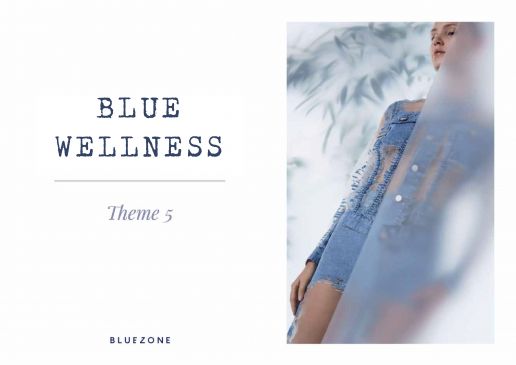
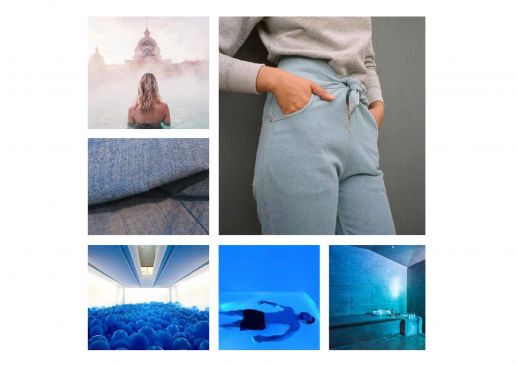
BLUE WELLNESS
The need for a soothing denim product. Denim that takes care of your skin, brain & body. Think: Fibers, coatings, ingredients, softness, anything that makes you and your body feel better.
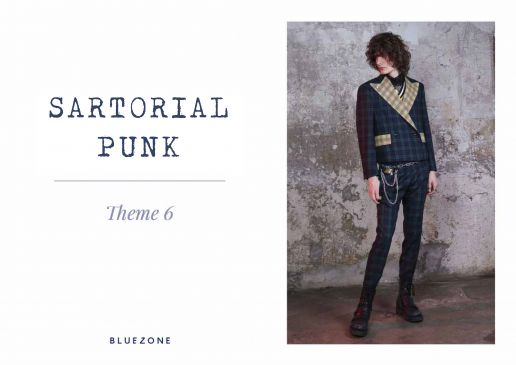
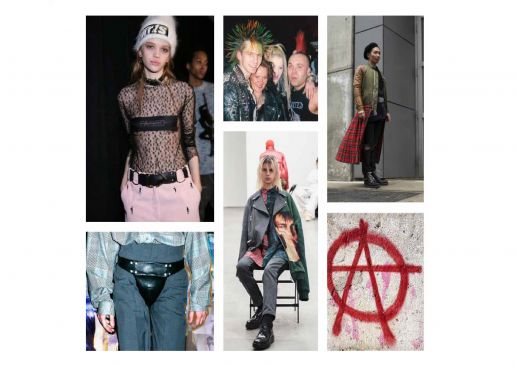
SARTORIAL PUNK
No future. Sartorial denim against Friday wear. A punk attitude with elegant codes. Think: Bleached and spotted denim. Black, grey, white denim, stretch and rigid fabrications.

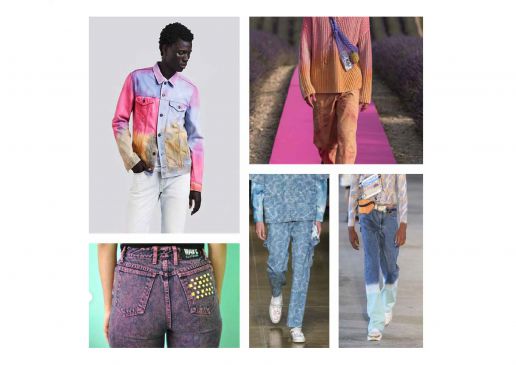
ACID PASTELS
The key is subtly in the effects. Acid fade-outs. Gritty yet pastel tenderness. Flowers, flowers, flowers … &animals, prints and solids. Think Acid effects on denim are key and tend to stay for some time. What is the next generation of acid and pastel effects on denim …
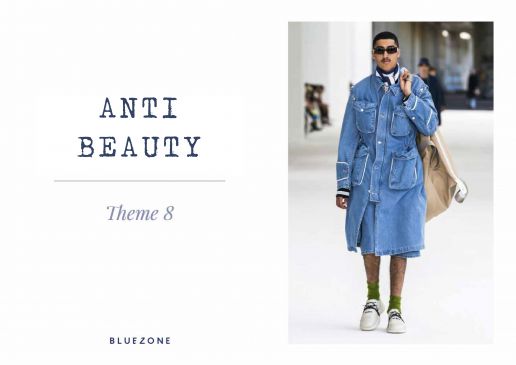
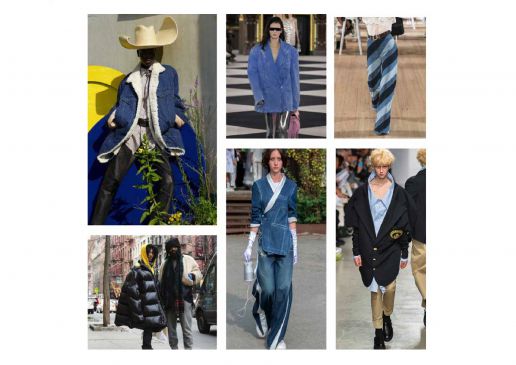
ANTI BEAUTY
Strange is the new beauty. Strange denim, strange products. New aesthetics, new proportions, sartorial, oversized, asymmetrical. Think: Flat-finished denim, reactive dye denim, Indigo denim.
MUNICH FABRIC START – A Paradigm Shift Towards Holistic Sustainability
A new level of sustainability, digitalisation, transparency, a growing need for information and the desire to inspire
– that’s what the Spring.Summer 21 season stands for.
The awareness of a new ecology has become one of the strongest social movements. It challenges us to rethink, to take responsibility, to create transparency and to enter into an intensive dialogue.
The MUNICH FABRIC START with BLUEZONE, KEYHOUSE and the individual showcases presented by around 1,000 international suppliers of fabrics and additionals will introduce the Spring.Summer 21 season from 4 – 6 February in Munich. Approximately 20,000 trade visitors will have access to an extensive range of fabrics, additionals, designs, manufacturing services, supported by an informative and inspiring events programme.
The Spring.Summer 21 season is characterised by dynamism, waves and radiance – the guiding theme THRIVABILITY brings enthusiasm, creates excitement, let’s blossom and flourish. THRIVABILITY deconstructs our understanding of fashion and embeds a new, positive way of thinking: aesthetics and people see eye to eye; resources and nature are respected. This creates a new understanding of holistic sustainability and future-oriented entrepreneurial spirit. Spring.Summer 21 answers current market needs and reflects an evolved understanding of values. Knowledge, transparency, quality, responsibility and communication influence the current showcase of innovative product and processes on offer. THRIVABILITY combines the essence of this new era with a classic definition of trends and cultivates an inspiring and progressive direction for materials, fashion and design.

MUNICH FABRIC START HIGHLIGHTS
ASK THE EXPERT – Communication islands with THRIVABILITY experts.
Taking into account the focus on sustainability and innovation driven by THRIVABILITY, a new information concept will be integrated into the Trend Forum at the upcoming MUNICH FABRIC START. At various communication islands in the foyer of the MOC, industry experts will provide impulses and answers to current questions, from the origins of the material to exploring the diverse range of production processes and end garment recycling. Through direct discussions, you will gain valuable know-how, insights into topics and current solutions for both sustainable and innovative processes along the value chain:
CIRCULARITY | FIBERS & MATERIALS | MARKETING & COMMUNICATION | RECYCLING | SOCIAL RESPONSIBILITY
NEW ICON GUIDANCE SYSTEM
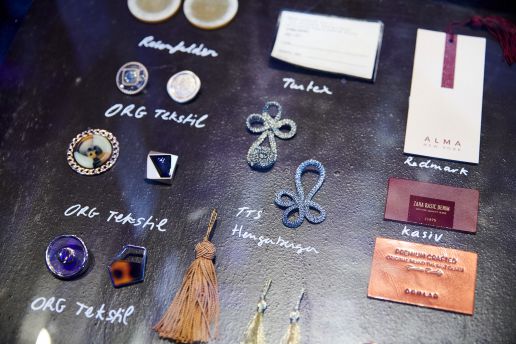
In addition, MUNICH FABRIC START has implemented a newly developed icon guidance system which in the spirit of transparency, identifies the sustainable and technical aspects of all the material highlights presented in the Trend Forums. In this way, visitors can establish these respective and previously hidden properties of textiles and ingredients at a single glance.

FABRICS
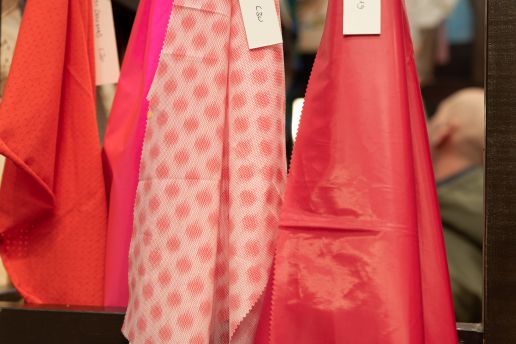
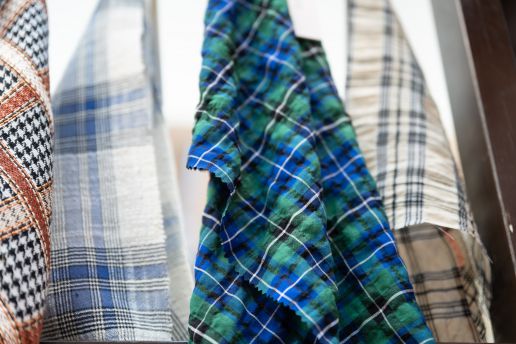
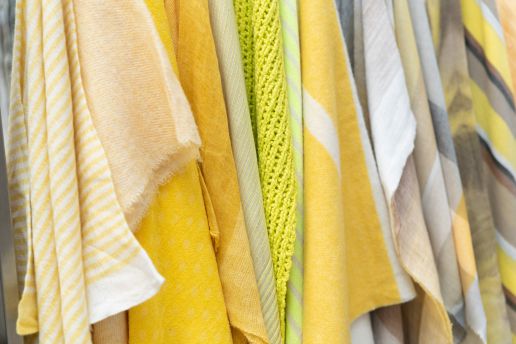
AWARENESS AS A DRIVER OF INNOVATION. Around 700 suppliers present their creative new developments across more than 1,000 collections – based on the latest technology innovations and the conscious and conservative use of resources. The fashionable combination of natural and innovative fibres is reflected in numerous new textile qualities including: luminous surfaces, wet gloss looks, soft glazes, colour gradients, transparent qualities, abstract patterns and relief elements. This season, MUNICH FABRIC START once again unites textile producers with a huge range of state-of-the-art fabrics, presenting not only essentials such as cotton, viscose, wool, elastane, lace and linen, but also novelties such as super-stretch silk, recycled polyester, Ecovero-Tencel linen, Naia and Cupro fibre blends or hemp textiles.
ADDITIONALS
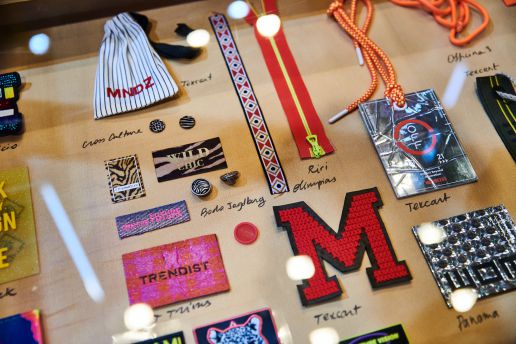
TRIMS FOR FUTURE – this is the global motto which represents approximately 200 of the world’s leading international ADDITIONALS suppliers. Fashionable new developments revolve around iridescent surfaces, glowing yarns and electrifying colour applications. The focus is on recycled and sustainably produced products in natural colours. ITL Group will not only show its comprehensive range of products for the first time, but will also launch its C.A.R.E. Collection (Conscious, Affordable, Responsible, Eco-friendly labels) during the upcoming trade fair. Clic sums up these developments: “We have focused on realistic and organic articles that preserve nature both in form and texture”.
ReSOURCE
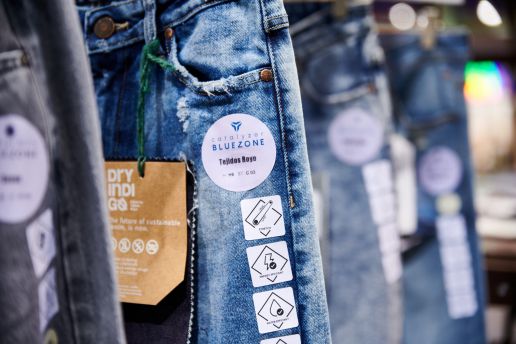
In a comprehensive forum, the ReSOURCE Area categorises and presents around 800 sustainably produced articles by exhibiting fabrics and additionals producers. “With our ground breaking DryIndigo® technology it is now possible to produce denim with 0% water consumption”, Tejidos Royo describes its latest milestone. Bornemann Etiketten sees the biggest challenge in balancing creativity, sustainability and efficiency, while Dutel focuses on timeless and durable top quality. Lanificio Roma pursues resource saving process solutions with the aim of wasting less and reusing production and consumption waste as new resources.
DESIGN STUDIOS
Natural colours based on sustainable dyeing techniques now determines the colour palettes of the inspiring designs at the internationally renowned, textile designers and trend offices in the DESIGN STUDIOS. The current change in the textile industry is leading to a revolution in the printing and dyeing industry and inspires a revival of natural dyes. Design Union and Primus Pattern also emphasize the simultaneous closeness to nature and diversity of textile prints for Spring.Summer 21.
SOURCING
Ready-made solutions are becoming more and more important and the interest in sourcing providers close to the market is also growing with a focus is on speed and a reduction in complexity. As globally established manufacturing companies in the SOURCING Area, numerous high-quality newcomers such as Easy Invest Solutions or Union 3 Fashion offer comprehensive insights into the entire textile production chain and its reliable procurement management. For Spring.Summer 21, Cascade Enterprises takes its inspiration from nature and returns to the basics in prints, fabrics and silhouettes. Sourcing specialist Fateks Kumas Tekstil offers and processes fabrics made from recycled PET bottles, also to conserve resources.
As the think tank for innovation, KEYHOUSE provides insights into future fabrics, new technologies, smart products & processes, sustainable innovations and alternative material resources, offering and inspiring pioneering concepts. For more information click here.
With over 100 major international brands, BLUEZONE has positioned itself as the initiator of an extraordinary, strong and innovative denim community. The answer to a conscious consumer approach and a growing interest in ready-made solutions that offer revolutionary products, state-of-the-art technological processes and complex functionalities. For more information click here.
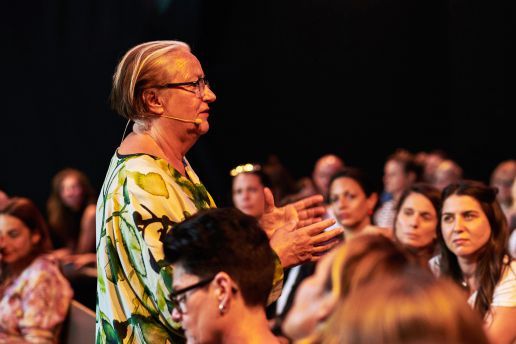
KEYNOTES & SEMINARS
At the upcoming MUNICH FABRIC START, there will be a premium event programme featuring impressive panel discussions, polarising keynotes and trend seminars by international experts. The KEYHOUSE in Hall 5 will feature exciting lectures on the various subjects of innovation. The diverse events on offer in the BLUEZONE area of Hall 7 will provide an in-depth insight into the developments in the denim industry, while the ReSOURCE Forum in K3 in the MOC will offer an equally relevant programme on the topics of sustainability, certification and quality seals.
David Shah about „The 10 Design Pillars” – Tuesday, 4 Feb 2020, 10.30am – 12pm
The trend forecaster and publisher of Textile View will deliver the keynote “The 10 Design Pillars”. David Shah presents new perspectives on design influences from Slowbilisation to Hopepunk, from Biophilia to Datascapes.
Fashion Revolution – Tuesday, 4 Feb 2020, 12pm – 1pm
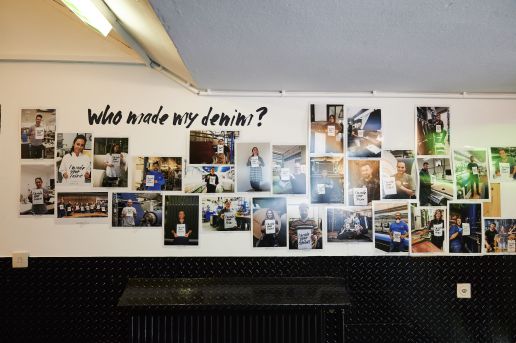
Ariane Piper gives an insight into Fashion Revolution – how the campaign will revolutionize the fashion industry. The viral campaign “Who made my clothes” will once again feature in the trend forums as an installation for transparency in the fashion industry.
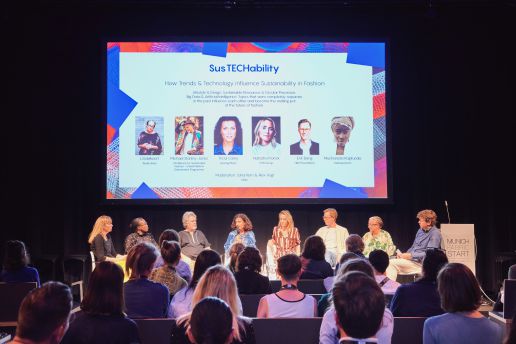
Expert panel about „Future of the Textile Value Chain” – Tuesday, 4 Feb 2020, 2pm – 3.30pm
The panel discussion with expert participants on the subject of “Future of the Textile Value Chain” will be moderated by Jana Kern and Alex Vogt from KERN Consulting. The five international experts, including Prof. Dr. Michael Braungart, Hans H. Jung, David Shah, Jan Wilmking and Lauren Zahringer, will discuss the disruption and transformation through sustainability and networking in the textile value chain.
Rivet 50‘s 2020 Vision – Tuesday, 4 Feb 2020, 3pm – 4pm
What will the new decade bring for the denim industry and community? Rivet 50 will lead a discussion between some of the world’s most influential denim characters to discuss their predictions for business, technology and fashion.
Exclusive Trend Seminar by Li Edelkoort – Tuesday, 4 Feb 2020, 4pm – 6.30pm
Arguably the most famous trend forecaster of our time holds an exclusive trend seminar. In an impressive presentation, GREEN WAVE – the Fashion Trends for Spring.Summer 21, as GREEN BOOK – the Recreationwear Trends for Spring.Summer 21, as well as STILLNESS – a Full Colour Forecast for Autumn.Winter 21/22.
„Fashion Activism” Panel by Muchaneta Kapfunde – Wednesday, 5 Feb 2020, 11am – 12pm
FashNerd founder Muchaneta Kapfunde brings together the experts Kresse Wesling, Styliani Parascha, Marta Waydel and Marina Toeters as part of the panel discussion “Fashion Activism: Creating the Fashion of the Future.”
Hessnatur Stiftung about „The way to the green button“ – Wednesday, 05 Feb 2020, 11am – 12pm
Rolf Heimann, CEO of the Hessnatur Foundation, Institute for Applied Sustainability, explores in a lecture the question “How do I prepare my company for certification?”.
„How automation will change the fashion industry” – Wednesday, 5 Feb 2020, 2pm – 3pm
The five experts in technology, David Schmelzeisen, Ralf Schneider, Dr. Thomas Fischer, Jon Zornow and Sabine Kühnl will discuss “Don’t be afraid of robots – how automation will change the fashion industry” in a panel discussion. Automation, digitalisation and localisation are the trends that are reshaping the global fashion market. Is the fashion industry ready to adapt to new standards? What consequences does this have for the current procurement structure, also in terms of social responsibility?
“The data behind today’s winning marketing strategies” – Wednesday, 5 Feb 2020, 5pm – 6pm
Gina Gulberti, VP Digital Marketing at Launchmetrics, explains in her keynote “The data behind today’s winning marketing strategies”.
All dates and the complete events programme can be found here.
MUNICH FABRIC START & KEYHOUSE & SOURCING
04 February 2020 | 9.30am – 6.30pm
05 February 2020 | 9.30am – 6.30pm
06 February 2020 | 9.30am – 4.00pm
BLUEZONE
04 February 2020 | 9.30am – 6.30pm
05 February 2020 | 9.30am – 6.30pm

KEYHOUSE – A Strong Network of Creative Minds
Progress and new levels of sustainability. Combining hand-made and digitalisation. The future of the textile and fashion industry is complex and challenging. The demand for greater transparency and information, for innovative solutions, new mindsets and forms of production is all the more loud and urgent.
KEYHOUSE, as the think tank of MUNICH FABRIC START, offers concrete approaches towards a visionary textile and fashion industry, providing answers, inviting discussions and interaction, showcasing new directions and definitions of innovation. In this way, an inspiring network of unique partnerships and collaborations with ambitious projects has been established.
At KEYHOUSE, everything revolves around innovation – be it the luminous jacket from MUSGO TECH, 3D printing and 3D knitting from Cocccon, the solution for a digitally networked supply chain from Lectra, or the Nebudye dyeing process using the Officina +39 nebulization system. Numerous innovative suppliers will showcase their trend defining developments for the first time at KEYHOUSE, including CLO Virtual Fashion with 3D visualisation of garments, Circular Fashion with workshops and software tools for innovative recycling management, and Recover providing accurate colour in upcycled yarns.
“Fashion must take a holistic hybrid approach in order to establish sustainable innovations in the apparel industry as a permanent feature.
These sustainability initiatives can be implemented by integrating new technologies with a high degree of design, disruption and integration.”
Muchaneta Kapfunde, Founding Editor-in-Chief FashNerd.com
HIGHLIGHTS AT KEYHOUSE
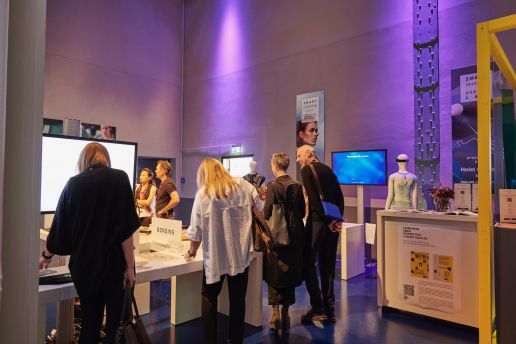
THE NUTURE ROOM WITH PAULINE VAN DONGEN. With “The Nurture Room“, Pauline van Dongen creates a space for meeting and inviting exchange among like-minded people who share the desire to redefine the fashion industry. The organised shared research sessions on topics such as workwear, outdoor clothing or casual wear etc. are led by fashion tech experts and show how technology can be sensibly embedded in clothing. Workshops will inspire participants to expand their know-how and connect companies along the entire value chain so that they can follow up with concrete action. Please find an overview of all workshops sessions here.
Due to the limited number of participants in the free workshops, we kindly ask you to register by sending an email to Chantal Gräff at cgr@munichfabricstart.com.
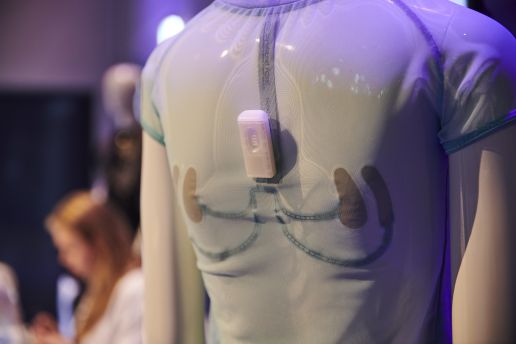
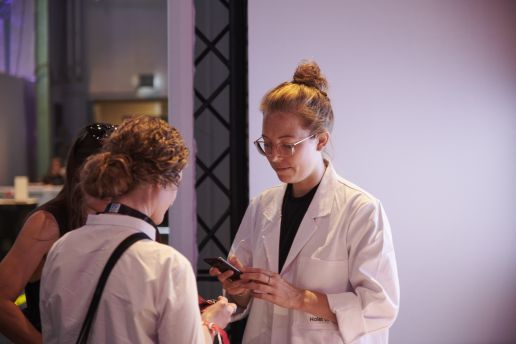
RE-FREAM PROJECT BY CARMINA FERRI. With her project Re-FREAM, Carmina Ferri, founder and CEO of Care Applications, wants to bring together designers and researchers to jointly develop innovative fashion concepts. Designers are invited to submit their proposals for ‘3D Manufacturing’, ‘Electronic & Textiles’ and ‘From Linear to Sustainable Circular Systems’. The winning innovative art concepts will then be developed in the three corresponding research centres.
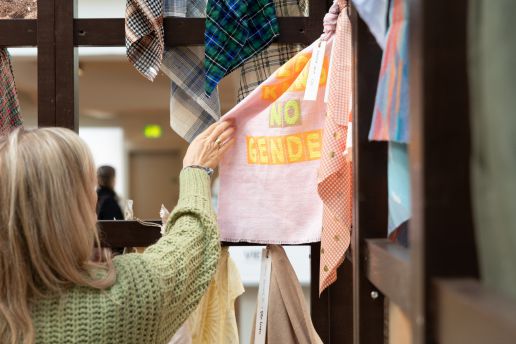
The SUSTAINABLE INNOVATIONS Forum combines poetry and problem solving. It will showcase inspiring developments and establish new perspectives on the world of textiles: from extraordinary innovations, new material resources and the combination of the traditional and modern to captivating and thought provoking installations. Discover the following innovations:
- Karin Vlug und Bas Froon see the future of fashion in regional fashion production that is made to measure, on request and using digital technologies.
- CONSUMPTION OF HERITAGE. Sun Lee questions the values of consumers and producers and thus those of the conventional fashion system.
- PRINTING WITH LIGHT. Madeleine Marquardt combines new technologies with Cynatopie, one of the first photographic printing processes, thus opening up new possibilities for modern textile design.
- SEAMLINE PROJECT. Gu Qiong emphasizes the object character of clothing by highlighting seams in brightly coloured yarns.
- SISAL, MORE THAN A ROPE. Isabella Monaco uses sisal for clothing and is experimenting with hydrogen peroxide and sodium carbonate to make the natural fibre softer while maintaining its robustness.
- RINSE OFF. Caterina Tioli uses the properties of potato starch to stabilize unspun wool for processing.
- CT DAIRY. Gal Yakobvitch develops a water-repellent coating for textiles based from milk protein. The result is a sustainable unisex workwear made of vegetable-dyed second-hand T-shirts.
- FOREIGN FORAGING. Jeanette Lili Weiss poetically addresses the complex problem of scarcity and abundance in times of climate change.
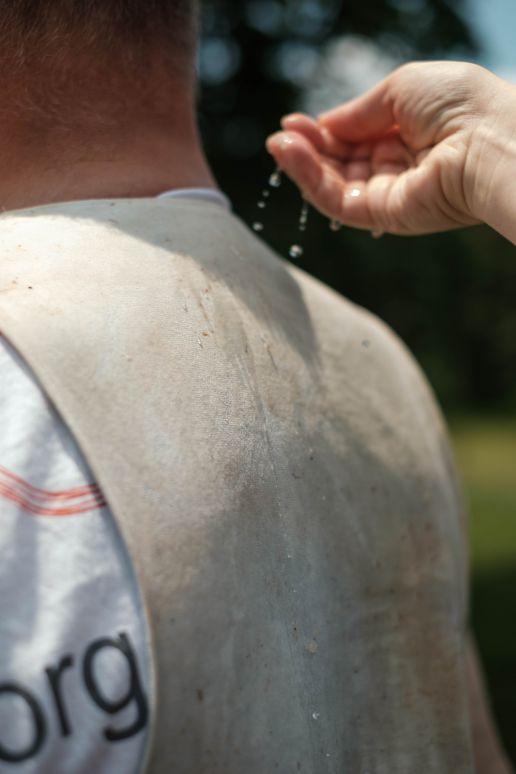
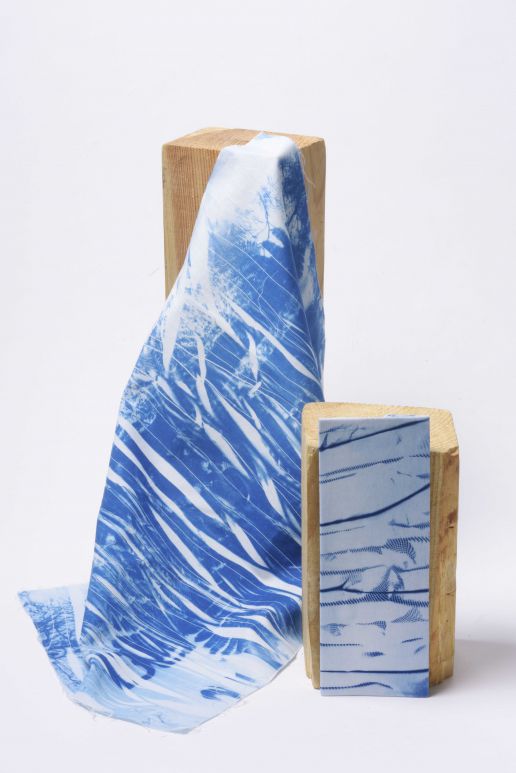
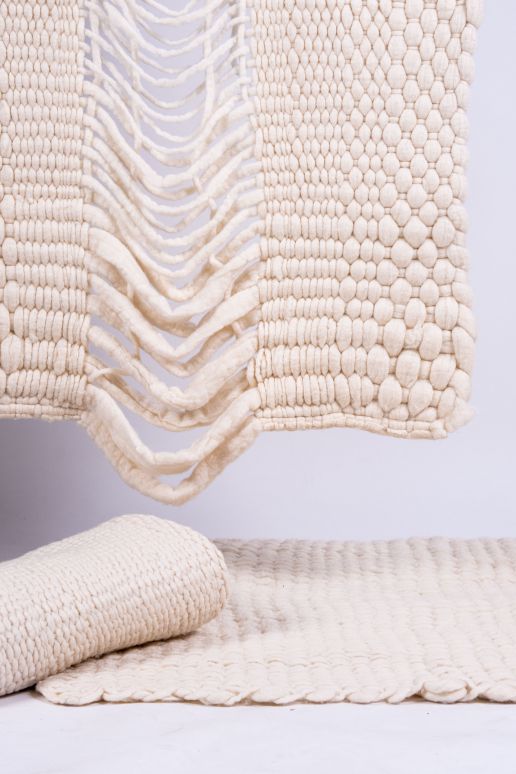
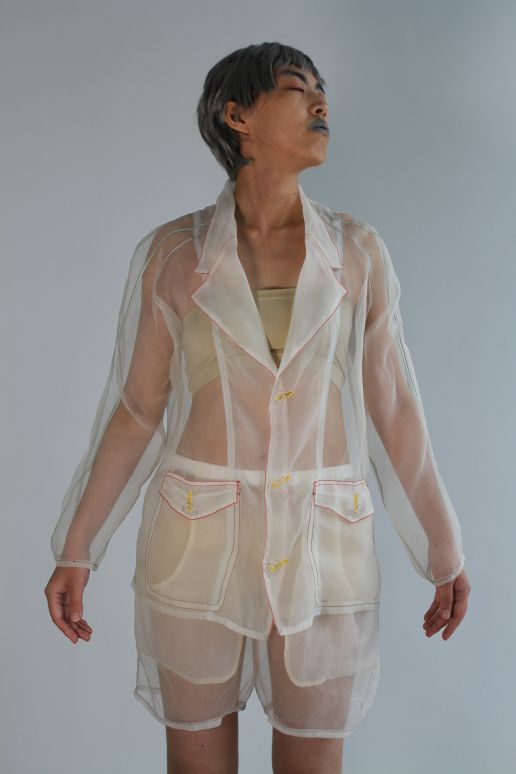
“Our goal is to take a look at the possible future with these 8 selected Sustainable Innovations, so that the industry and its professionals can reach the next level. It is an ongoing dialogue. We are a community that is growing and connecting, sharing visions and ideas – it’s a very inspiring atmosphere”.
Simon Angel, Curator Sustainable Innovations MUNICH FABRIC START
KEYNOTES & SEMINARS
KEYHOUSE also offers a comprehensive and exclusive event programme. This includes trend seminars, exclusive workshops, keynotes and round tables. You can find the complete event program here.
Exklusive Trend Seminar by Li Edelkoort – Tuesday, 4 Feb 2020, 4pm – 6.30pm
Arguably the most famous trend forecaster of our time holds an exclusive trend seminar. In an impressive presentation, GREEN WAVE – the Fashion Trends for Spring.Summer 21, as GREEN BOOK – the Recreationwear Trends for Spring.Summer 21, as well as STILLNESS – a Full Colour Forecast for Autumn.Winter 21/22.
David Shah about „The 10 Design Pillars” – Tuesday, 4 Feb 2020, 10.30am – 12pm
The trend forecaster and publisher of Textile View will deliver the keynote “The 10 Design Pillars”. David Shah presents new perspectives on design influences from Slowbilisation to Hopepunk, from Biophilia to Datascapes.
„Fashion Activism” Panel by Muchaneta Kapfunde – Wednesday, 5 Feb 2020, 11am – 12pm
FashNerd founder Muchaneta Kapfunde brings together the experts Kresse Wesling, Styliani Parascha, Marta Waydel and Marina Toeters as part of the panel discussion “Fashion Activism: Creating the Fashion of the Future.”
“United Nations SDG’s Agenda 2030: Challenges & Opportunities for the textile industry” – Wednesday, 05 Feb 2020, 1pm – 2pm
In 2015, the UNGC formulated 17 goals for the sustainable development of our planet and on this basis the “Agenda 2030” of the United Nations was created. Daniel Pinto, Business Director of Scoop, will refer in his presentation to the challenges and opportunities for the textile industry and explain how existing technologies and innovations in the industry can be used to achieve the set goals.
„How automation will change the fashion industry” – Wednesday, 5 Feb 2020, 2pm – 3pm
Five experts in technology, David Schmelzeisen, Ralf Schneider, Dr. Thomas Fischer, Jon Zornow and Sabine Kühnl will discuss “Don’t be afraid of robots – how automation will change the fashion industry” in a panel discussion. Automation, digitalisation and localisation are the trends that are reshaping the global fashion market. Is the fashion industry ready to adapt to new standards? What consequences does this have for the current procurement structure, also in terms of social responsibility?
“The data behind today’s winning marketing strategies” – Wednesday, 5 Feb 2020, 5pm – 6pm
Gina Gulberti, VP Digital Marketing at Launchmetrics, explains in her keynote “The data behind today’s winning marketing strategies”.
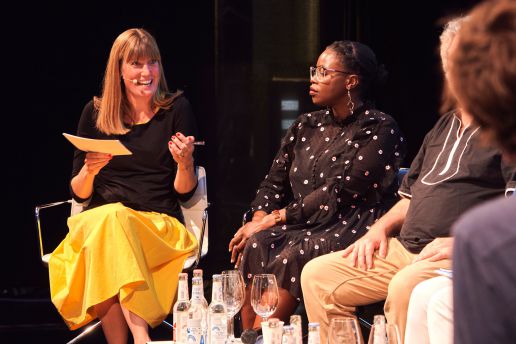
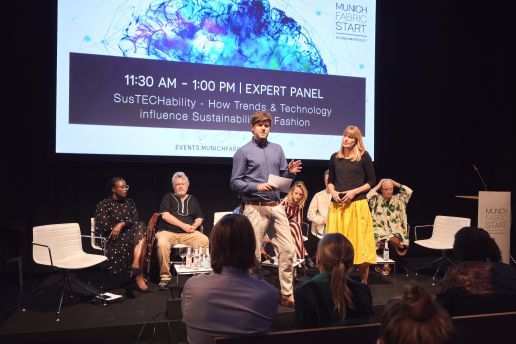
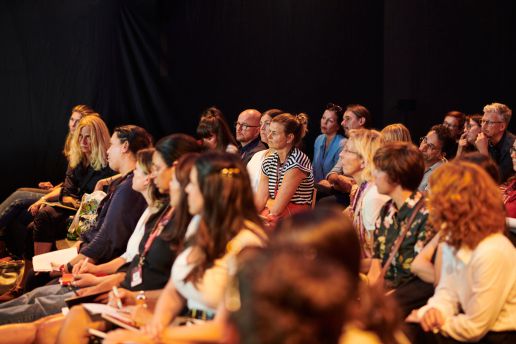
All dates and the complete lecture programme can be found here.
MUNICH FABRIC START & KEYHOUSE & SOURCING
04 February 2020 | 9.30am – 6.30pm
05 February 2020 | 9.30am – 6.30pm
06 February 2020 | 9.30am – 4.00pm
BLUEZONE
04 February 2020 | 9.30am – 6.30pm
05 February 2020 | 9.30am – 6.30pm
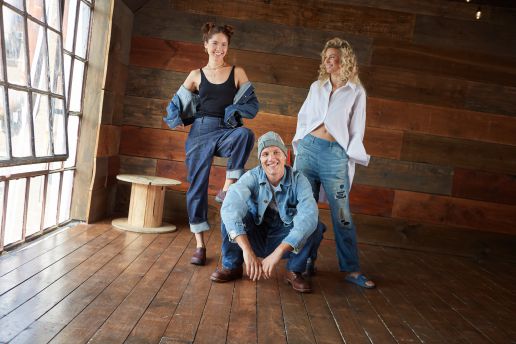
Hardwear: The Sustainable Denim Wardrobe
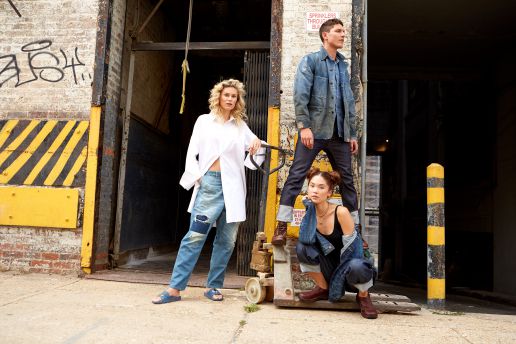
‘Hardwear’ The Sustainable Denim Wardrobe is the collaborative project between TENCEL™ X JEANOLOGIA® X ENDRIME®, made at BLACKHORSE LANE ATELIERS. This garment collection is the result of a unique project, whose focus was to create a true workwear wardrobe based on TENCEL™ Denim fabrics.
The TENCEL™ Denim Team and Jeanologia® Brainbox Team have worked in partnership on many previous projects. Following their attendance at a Denim History lecture at BLUEZONE by MUNICH FABRIC START, they were inspired to connect with the presenter to discuss the possibility of a collaboration. Following a subsequent visit to husband and wife team, Mohsin Sajid and Sadia Rafique from ENDRIME®, in their West Sussex design studio, the ‘Hardwear’ concept was born. Mohsin has garnered a solid reputation as a modern vintage denim designer, while Sadia has expertise in art direction and graphic design.
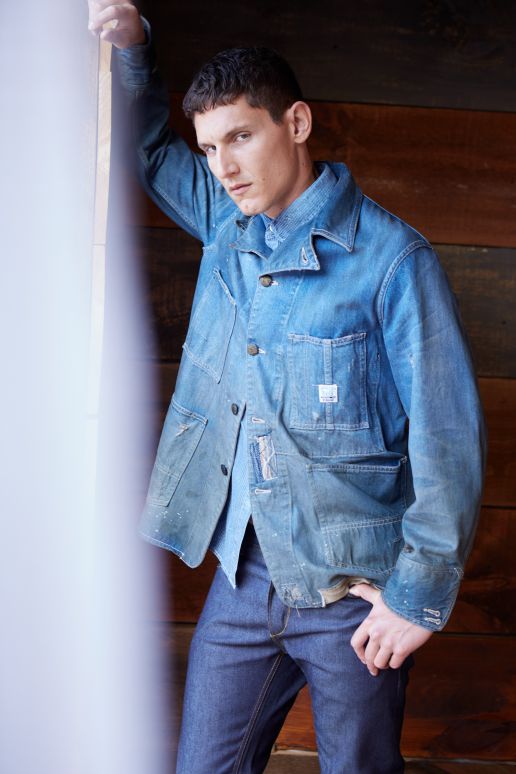
The brief was to design an authentic workwear collection, inspired by vintage garments from the ENDRIME® archive, using only the latest commercial TENCEL™ Lyocell fabrics, complimented by the application of the latest laundry technologies from Jeanologia®.
“This collection was a real challenge for us, but it was also great fun as we reached back into our own vintage collections and were able to apply all the learning that we amassed from our “Truth & Light” collections”, says Jeanologia® Brain Box Creative Director, Carme Santacruz Zaragozá.
Eight fabric mills were chosen to collaborate, A&A Textiles, Atlantic Mills, Blue Diamond, Kaihara, KG Denim, Orta Anadolu, Stella Blue and, last but not least Candiani, who agreed to supply their 2019 ITMA Sustainable Innovation award winning fabric which is a 50/50% blend of TENCEL™ x REFIBRA™ Lyocell and recycled cotton.
“This project was a real departure for us, because this denim category has historically been the domain of 100% cotton. We wanted to challenge that model and we did so by going to partners who are recognised for their expertise in this area” says Michael Kininmonth, Global Denim Development Manager for the Lenzing Group. “As always, we aim to work with what we believe are some of the best sustainably produced denim fabrics available in today’s market that combine the latest advancements in fibre and finish”.
The prototypes were pattern-cut and made-up at the ENDRIME® studio, using vintage machinery. Every detail was well considered and used iconic details from garments that dated from as early as the 1870s through to the 1940s. YKK manufactured and supplied custom designed period-correct inspired Carved in Blue buttons, with washer and burr rivets made in their most eco finishes. The prototypes were then reproduced at Blackhorse Lane Ateliers in East London, a maker of ready-to-wear selvedge & organic raw denim jeans renowned for their quality, community and eco-consciousness.
“Being asked to design an authentic denim collection using TENCEL™ Lyocell has been a dream project for Sadia and I. It has been a joy for us to create and has been a true collaborative project, it’s been a career highlight”, concluded Mohsin Sajid.
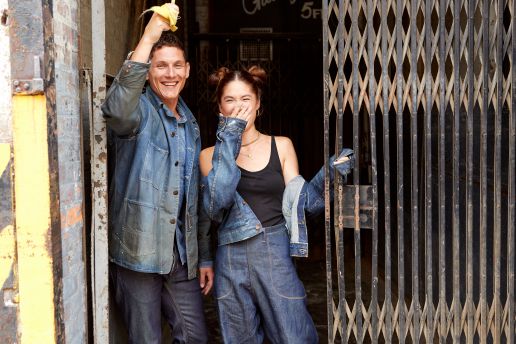
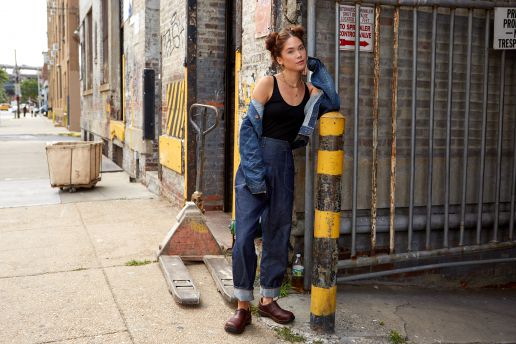
For more information about the HARDWEAR capsule collection from the Sustainable Denim Wardrobe, contact denim@lenzing.com