

STELLA BLU PRESENTS ITS FIRST COOLTRANS DENIM COLLECTION
MADE WITHOUT INDIGO
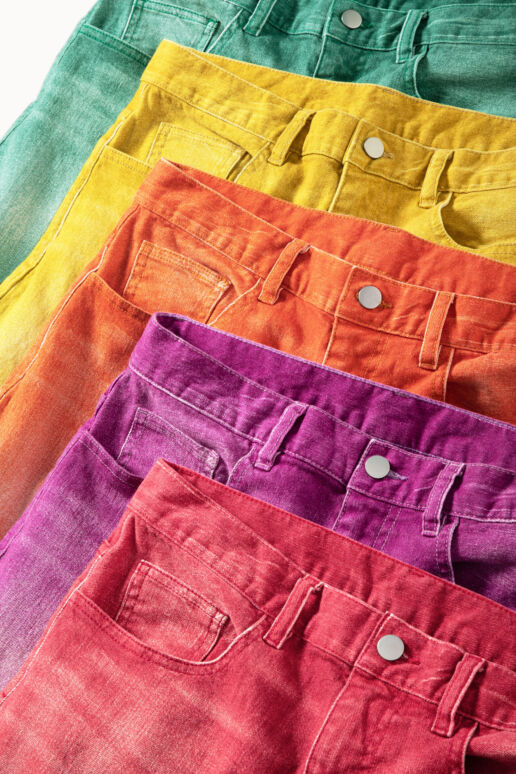
Stella Blu is very proud to announce to be the first Denim mill in the world to adopt the use of NTX Cooltrans – the revolutionary waterless coloration technology into its production of denim & colored denim fabrics.
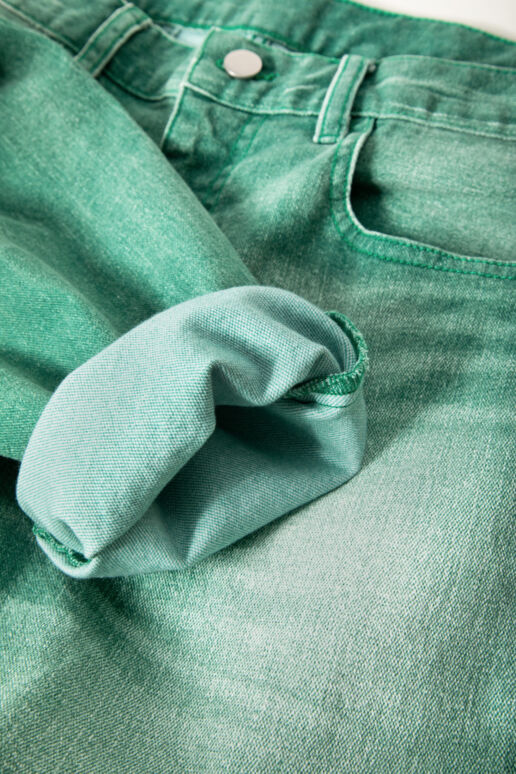
The coloration process happens with extreme precision and consistency every time and is applicable to almost any fabrics, natural, cellulose-based or synthetics man-made without the need for heat and over 90% reduction in water usage without compromising the fabric’s engineered feel or functional performance.
Conventional denim has an extensive use of water, heat and chemicals starting from the initial processes of fabric making – dyeing yarns into several indigo baths – all the way down to laundry processes to create that vintage distressed look.
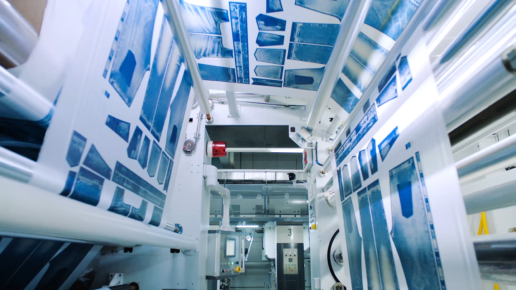
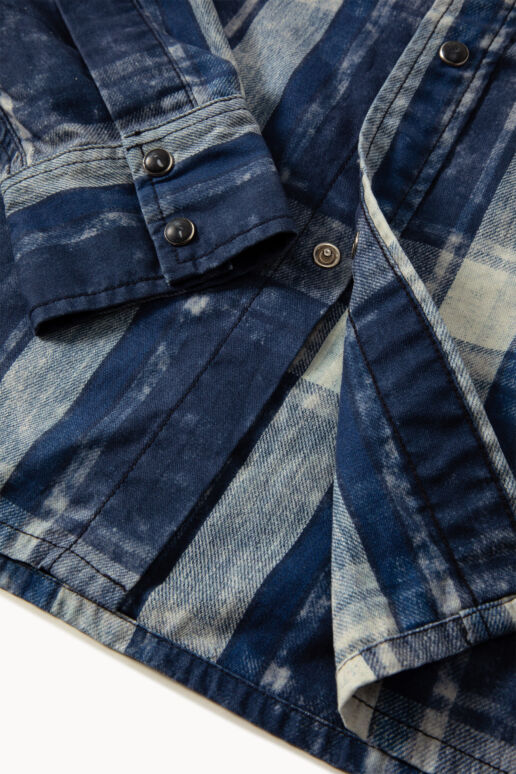
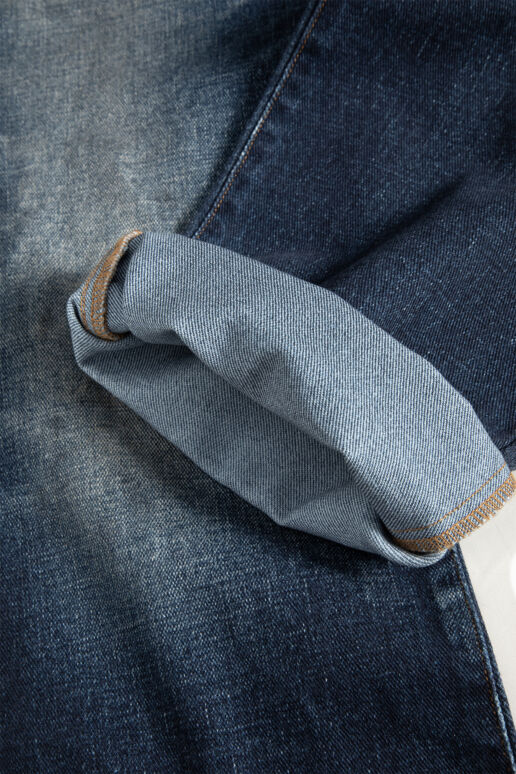
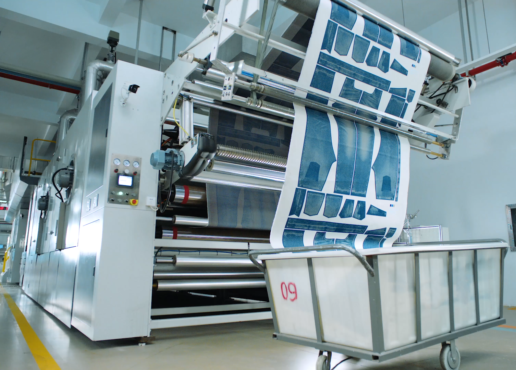
“With Cooltrans, we are able to completely eliminate these two processes.”, says Marco Stefanelli, director of marketing & business development at Stella Blu. “We start from a white PFD fabric and then the coloration process happens without heat at both sides simultaneously in only one single pass—the front face gets the printed washed look and the back side face gets printed with the twill line or any other pattern the client’s desire.”
This technology opens up extremely exciting possibilities. For instance, clients could have a single quality greige and print nearly infinite combination of aesthetics. By doing so, they can drastically improve the speed to market with much lower SKUs.
Many denim brands today maintain extensive material libraries, consisting of well over 500 different types of fabric, solely for the purpose of achieving a desired look. However, with Cooltrans, the aesthetic can be completely independent of the fabric composition. By calibrating the process to a specific fabric base, brands can achieve a wide range of aesthetics on a single twill type, resulting in tremendous costs savings.
Furthermore, addressing the environmental impact of indigo dye is a shared concern within the industry. Cooltrans is seen as a promising solution to reduce the toxicity associated with indigo dye as there is no indigo involved in the entire process, which is an additional key point that many brand houses view it favourably.
Meet the Stella Blu Team at Bluezone in Hall 7 | B 16.
This might be also interessting for you:

Cartoon – WEAR YOUR OPTIMISM
Embark on this fashionable journey and discover the new Cartoon collection at our store. Be inspired, mix and match to your heart's content, and wear optimism—every day, for every occasion.

RETRAKT – SUSTAINABLE INNOVATIONS
Performance, in this context, is measured by organisational resilience. RETRAKT applies resilience engineering to help employees anticipate, monitor, respond to, and learn from complex and changing requirements.
MATERIA FUTURA – SUSTAINABLE INNOVATIONS
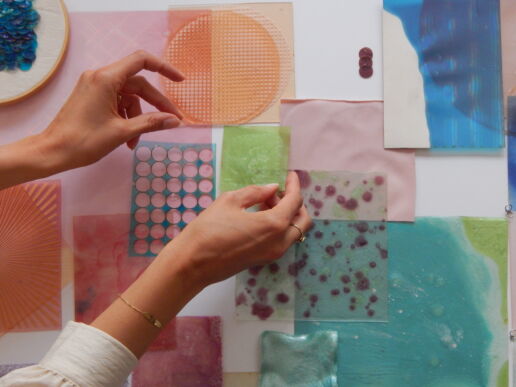
Materia Futura is not proposing a new bio-material category, nor a finished commercial textile. What distinguishes the project is its design-led investigation into the emotional and aesthetic dimensions of bio-based materials, an area often sidelined in sustainability discourse.
THREADED PROTOCOLS – SUSTAINABLE INNOVATIONS
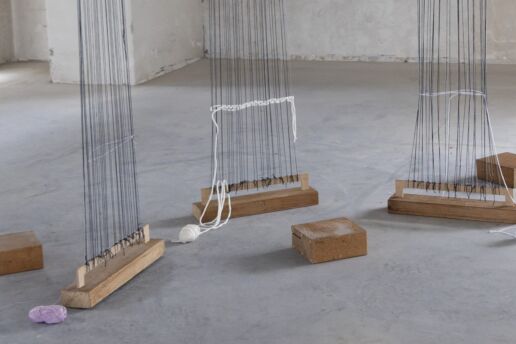
Threaded Protocols is not a textile innovation in the commercial sense, nor a digital tool disguised as craft. What makes the work distinct is its material investigation into how computational logic originates in textile practice and what is lost when those logics are abstracted into opaque technological systems.
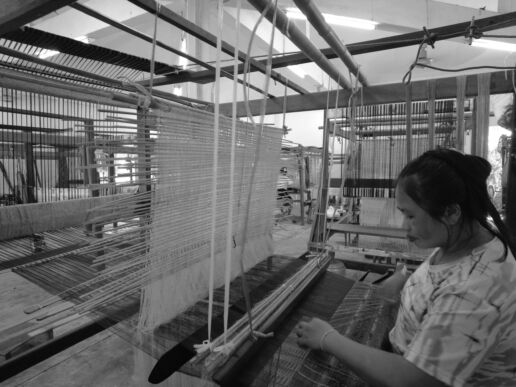
MARIE VILAY – SUSTAINABLE INNOVATIONS
Marie Vilay does not present a new fabric or production technique. What distinguishes her work is a method of reading and translating textile knowledge across cultures, systems, and moments of transition.
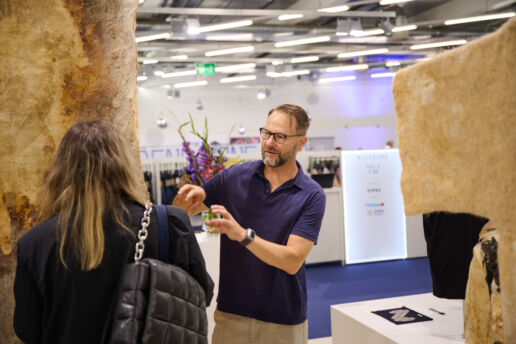
Interview with Simon Angel, Curator of SUSTAINABLE INNOVATIONS
Each season, the Sustainable Innovations forum brings together projects that provoke, inspire, and challenge assumptions. This year is no exception, with work ranging from bio-luxury couture to energy-generating textiles and regenerative materials grown from wetlands.
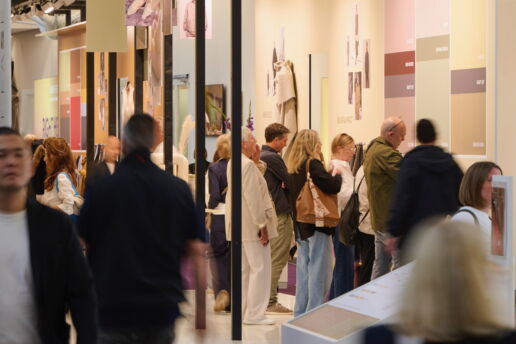
MUNICH FABRIC START – September 25 closing report
At its 56th edition, MUNICH FABRIC START reinforced its clear positioning. Over two days, the Munich textile trade show brought the fashion industry together with its four show-in-show formats.
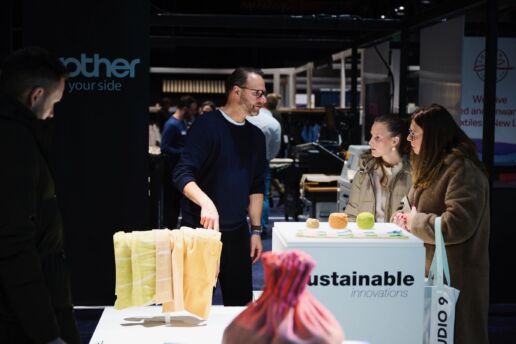
Materials as Agents of Change with Simon Angel
Each season, the Sustainable Innovations forum brings together projects that provoke, inspire, and challenge assumptions. This year is no exception, with work ranging from bio-luxury couture to energy-generating textiles and regenerative materials grown from wetlands.

AUTUMN.WINTER 26/27 FABRIC HIGHLIGHTS & MATERIAL NOVELTIES – PART X
For the first time in Germany, S2G XR (Style 2 Garment eXtended Reality) will present a live demo of its 3D textile configurator at booth A4.20 Not a teaser.
Living Matter: Bio-Luxury for Future Materials
Indigo, a colour with a lot of history, is the main focus of this project. Denim has always meant strength and durability, and its roughness is linked to work and usefulness.