

MATERIA FUTURA: Reclaiming Sensory Desire in Bio-Based Materials
SUSTAINABLE INNOVATIONS
Materia Futura is not proposing a new bio-material category, nor a finished commercial textile. What distinguishes the project is its design-led investigation into the emotional and aesthetic dimensions of bio-based materials, an area often sidelined in sustainability discourse. Founded by Alessia Pasquini and Beatriz Sandini, Materia Futura asks a direct question: why are sustainable materials still expected to look raw, muted, or purely functional?
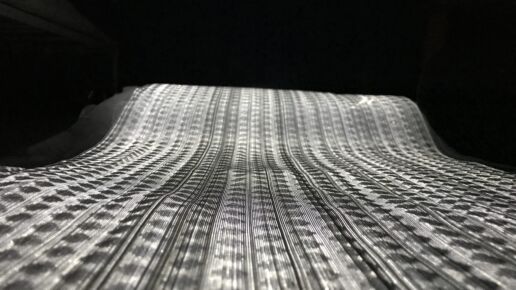
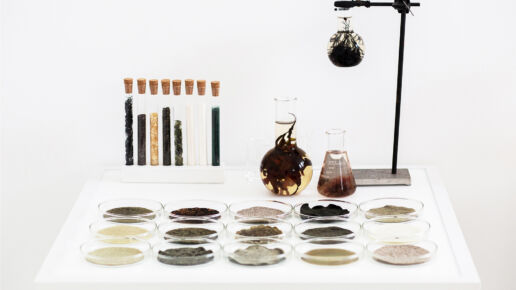
Developed as a design research project in early 2025, Materia Futura explores how biomaterials can engage the senses through shimmer, iridescence, surface depth, and visual movement. Rather than treating these qualities as superficial, the project positions them as critical to human connection and long-term material adoption. Its first outcomes were presented at Dutch Design Week 2025 as part of the exhibition Basic Instinct: Making–With. The first phase of the research was developed in collaboration Paulina Martina, a digital designer, who worked on the virtual reality component. Part of that initial phase focused on creating a connection between the physical materials and the virtual world. You will find more info about this aspect on the Materia Futura website.
“Sustainability should not only be responsible, but also desirable – able to shimmer, glow, and connect with our senses.”

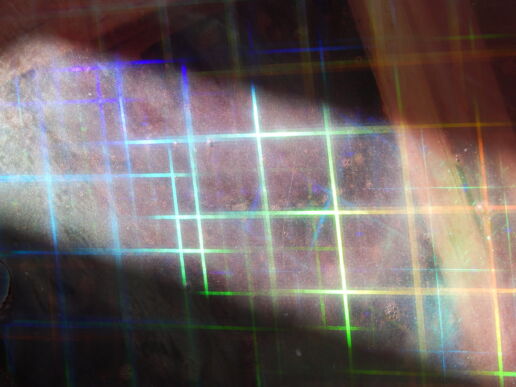
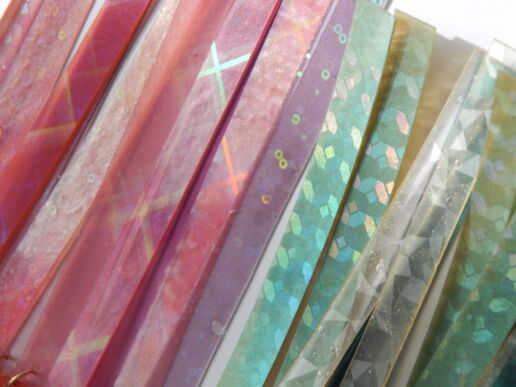

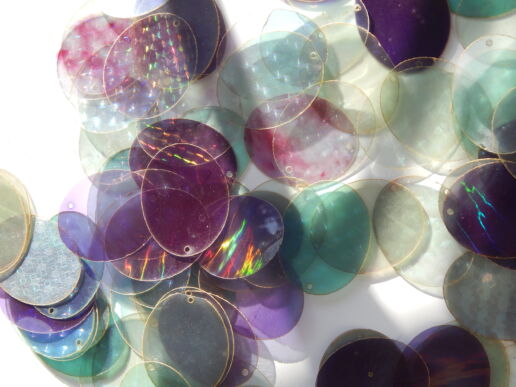

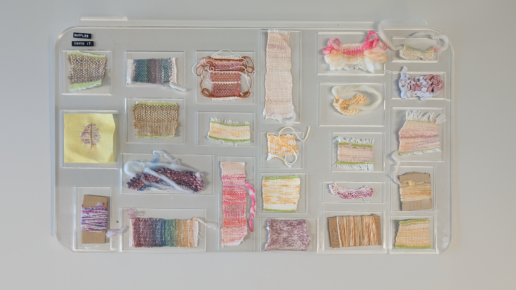
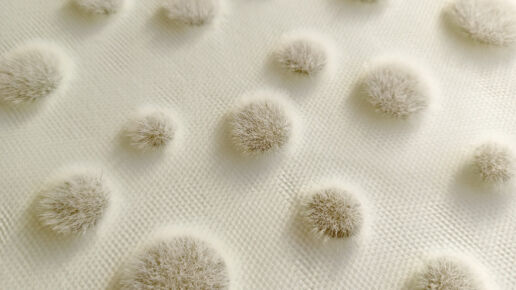
The work combines bio-based material experimentation with traditional craft techniques, using hands-on processes to push beyond the visual language typically associated with sustainable design. Effects such as chromatic shifts, moiré patterns, and layered textures are explored not as decoration, but as inherent material expressions inspired by natural phenomena. While earlier phases of the project investigated links between physical materials and digital or immersive environments, the designers are currently reassessing how and whether these components will continue in future iterations.
Materia Futura is firmly in a research and exploratory phase. The materials developed are not yet positioned for immediate industrial scale or collection integration. Instead, the project functions as a provocation and a testing ground, relevant to designers, material developers, and brands interested in expanding how sustainability is perceived, communicated, and desired.
In the wider material landscape, Materia Futura challenges the assumption that responsible materials must be visually restrained to be credible. Its contribution lies in reframing sustainability as something that can be sensory, expressive, and culturally resonant, without denying its biological or ethical foundations.
For Pasquini and Sandini, success is not defined by a single material outcome, but by opening space for a richer, more emotionally literate future for bio-based design.


THIS MIGHT BE ALSO INTERESTING FOR YOU:
EMELIE SANDRE DESIGN – SUSTAINABLE INNOVATIONS
Modularity is hardly a new concept. It has transformed architecture, furniture and industrial design for decades. Applying it to soft textiles, however, opens an entirely different conversation.
Smart Textile Design – SUSTAINABLE INNOVATIONS
We have always been driven by creativity and curiosity. Our practice evolves through prototypes, never finished, always asking more questions of materials, processes and possibilities.
STUDIO ALICE GIELEN – SUSTAINABLE INNOVATIONS
It is an idea that feels increasingly relevant as artificial intelligence and computational design become part of fashion's creative landscape. Perhaps the future is not about humans versus machines. Perhaps it is about learning how to create together.
Leather from the Sea – SUSTAINABLE INNOVATIONS
"Through hands-on experimentation, I explore the potential of new surfaces and alternative forms of leather, aiming to reconnect human life with the natural world as an interconnected fabric."
Maison du Flock – SUSTAINABLE INNOVATIONS
Working with everything from delicate tulle and lace to leather, sequins and other unconventional materials, the studio has transformed flock into a contemporary design language capable of meeting the demands of luxury fashion and Haute Couture.

MUNICH FABRIC START – January 26 closing report
A solid trade show. An optimistic mindset. That sums up the outcome of MUNICH FABRIC START. After three days, the Munich textile fair came to an end yesterday, Thursday, with the integrated show-in-shows BLUEZONE, KEYHOUSE and THE SOURCE. MUNICH FABRIC START concluded with a stable visitor frequency compared to the previous event.
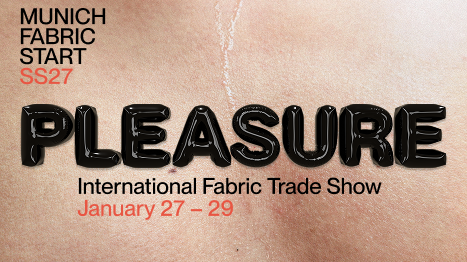
MUNICH FABRIC START – Between Attitude and Sensuality
The future begins where we reimagine it. The overarching theme of PLEASURE stands for fashion as an emotional space, as an expression of attitude and cultural reflection.

KnitForm+ by Jeanne Mora – SUSTAINABLE INNOVATIONS
What matters is how the textile responds: how it regulates volume, distributes pressure, and transitions from flat to three-dimensional states. Process transparency is embedded in the methodology itself.

Cartoon – WEAR YOUR OPTIMISM
Embark on this fashionable journey and discover the new Cartoon collection at our store. Be inspired, mix and match to your heart's content, and wear optimism—every day, for every occasion.

RETRAKT – SUSTAINABLE INNOVATIONS
Performance, in this context, is measured by organisational resilience. RETRAKT applies resilience engineering to help employees anticipate, monitor, respond to, and learn from complex and changing requirements.