

Wetlands Matters – by Marc Wijkmans
SUSTAINABLE INNOVATIONS
In the Netherlands, where land and water are always at odds with each other, design often has to work with ecology. Marc Wijkmans Studio “Wetlands” takes this conversation into textiles, treating fabrics not as neutral surfaces but as active participants that can help landscapes grow.
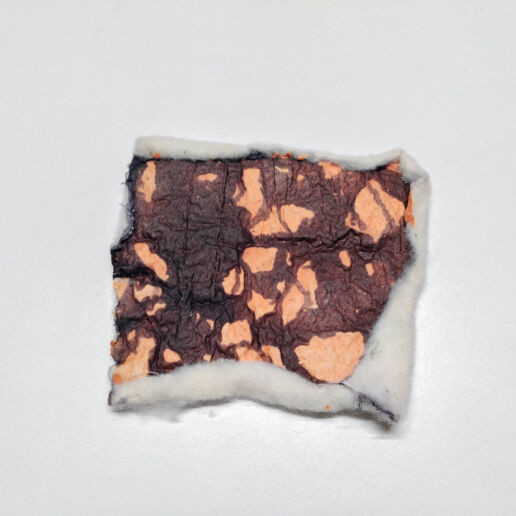
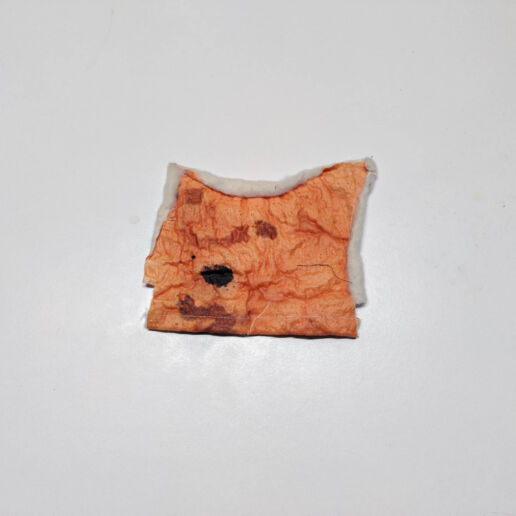
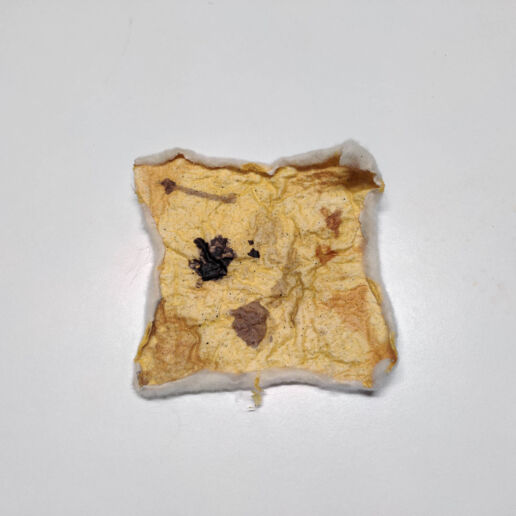
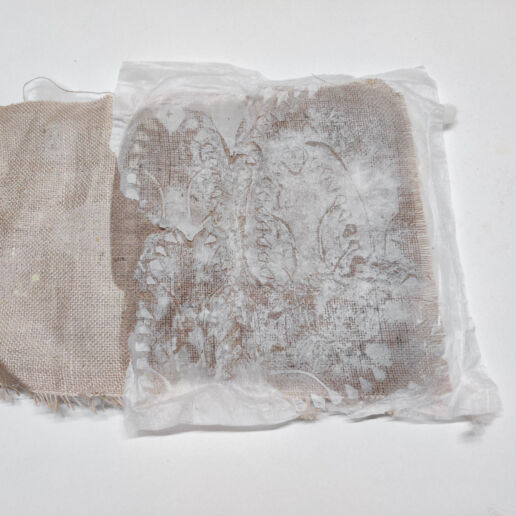
Wijkman’s idea came from a simple but important observation: animals carry seeds across ecosystems in their fur. He made a fabric that purposely catches and spreads seeds by imitating this natural process. The material is made of wool, sodium alginate, and linseed oil, and it doesn’t have the smooth, perfect look of regular fabrics. Instead, its value comes from its flaws, how it can get stuck, carry things, and help the process of re-wilding continue. This approach goes against what people think about outdoor clothing.
“Seeds stick to fur. Building on this, I came up with the idea to give the material a fur-like surface.”
Marc Wijkmans
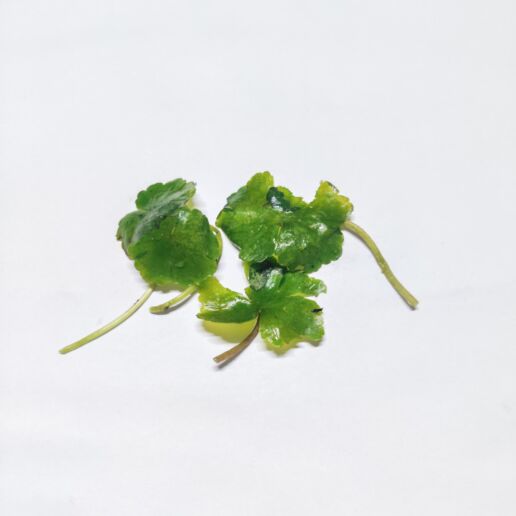
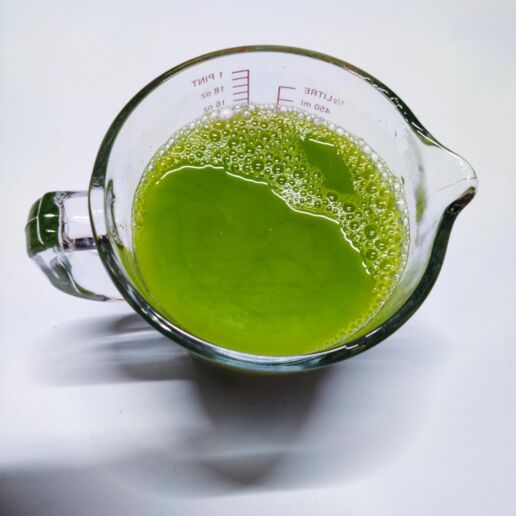
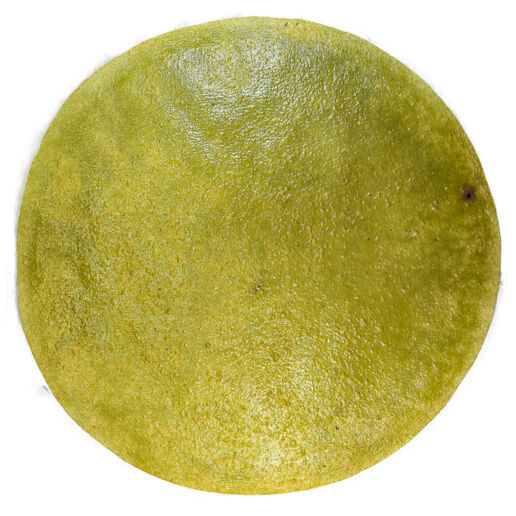
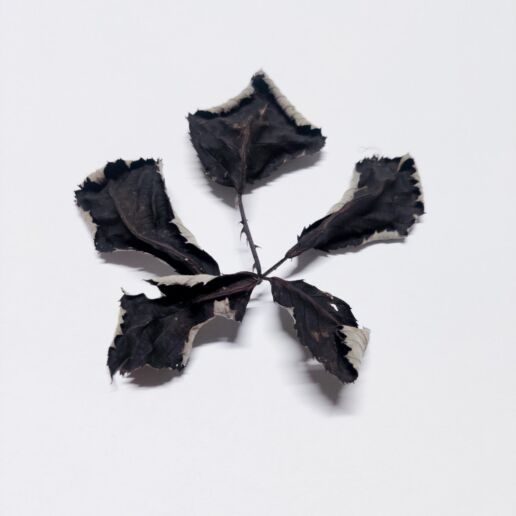
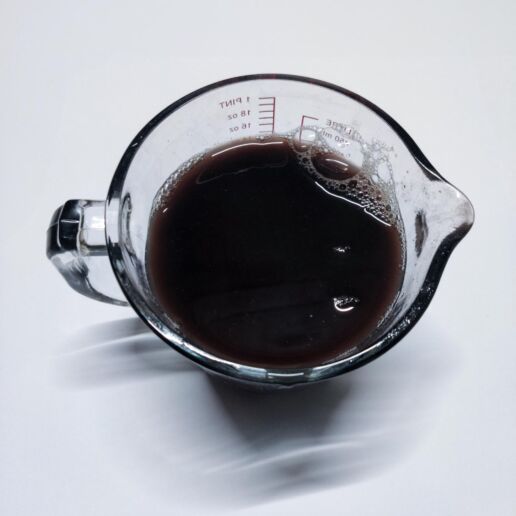
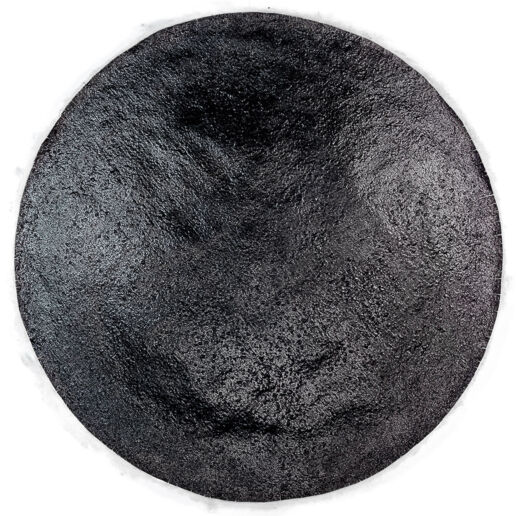
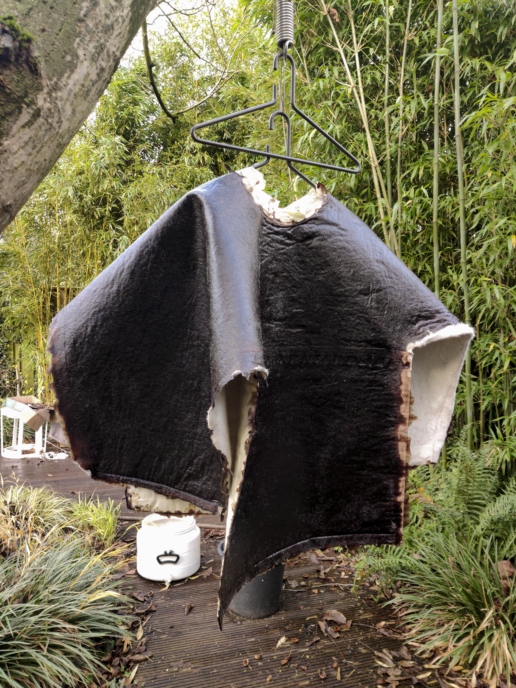
Making the material
As most of us know, performance fabrics today are largely synthetic-engineered to be strong and water-resistant, yet infamous for shedding microplastics. Wetlands Matters challenges this conventional notion of “functionality.” Here, performance is redefined: not about keeping people dry, but about serving the ecological needs of a site.
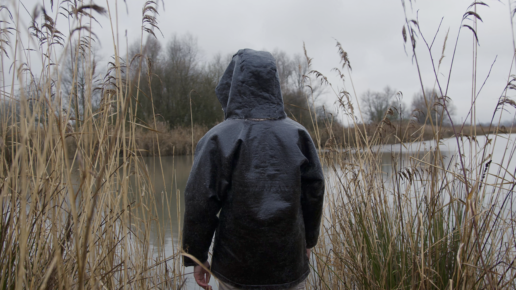
Tested in the Hemelrijkse Waard nature reserve, the textile demonstrates that protection can be mutual – between wearer and landscape. From this emerges a clear lesson for the fashion and textile industries: materials must be rethought entirely. What if fabrics were designed to collaborate with their surroundings rather than resist them? What if impermanence and biodegradability were not flaws, but essential virtues for a sustainable future?
All in all, Wetlands Matters doesn’t say that it has a solution that is ready to sell. It works as a provocation instead: a reminder that the future of textiles may be less about how long they last and how well they work in the narrow sense and more about how they can help landscapes grow quietly and steadily.
H2 | SI
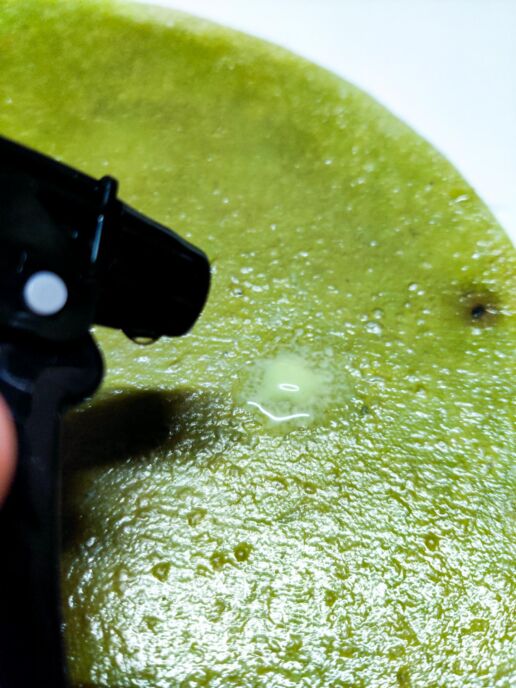
Repairing the material
THIS MIGHT BE ALSO INTERESTING FOR YOU:
EMELIE SANDRE DESIGN – SUSTAINABLE INNOVATIONS
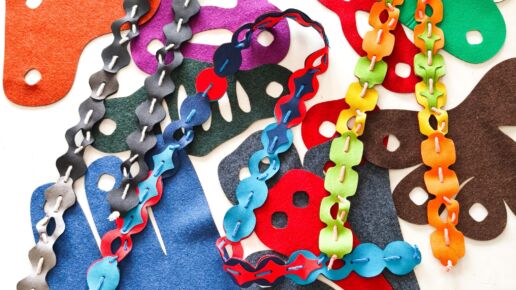
Modularity is hardly a new concept. It has transformed architecture, furniture and industrial design for decades. Applying it to soft textiles, however, opens an entirely different conversation.
Smart Textile Design – SUSTAINABLE INNOVATIONS
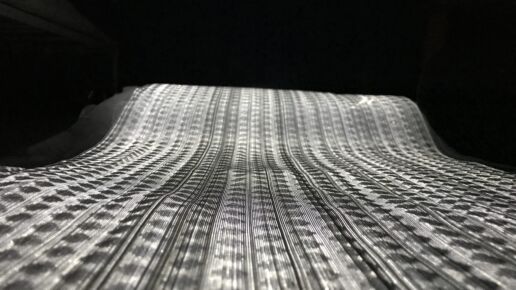
We have always been driven by creativity and curiosity. Our practice evolves through prototypes, never finished, always asking more questions of materials, processes and possibilities.
STUDIO ALICE GIELEN – SUSTAINABLE INNOVATIONS
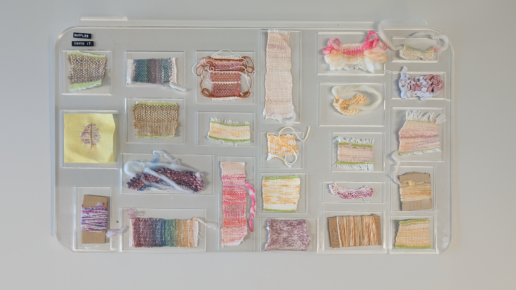
It is an idea that feels increasingly relevant as artificial intelligence and computational design become part of fashion's creative landscape. Perhaps the future is not about humans versus machines. Perhaps it is about learning how to create together.
Leather from the Sea – SUSTAINABLE INNOVATIONS
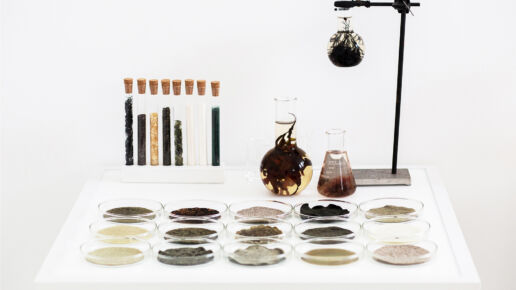
"Through hands-on experimentation, I explore the potential of new surfaces and alternative forms of leather, aiming to reconnect human life with the natural world as an interconnected fabric."
Maison du Flock – SUSTAINABLE INNOVATIONS
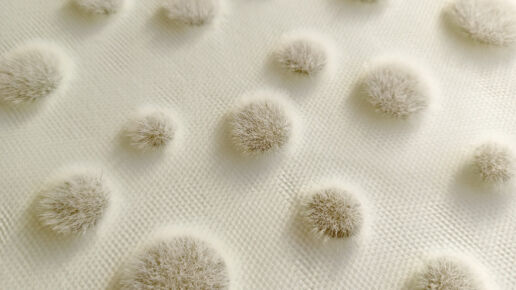
Working with everything from delicate tulle and lace to leather, sequins and other unconventional materials, the studio has transformed flock into a contemporary design language capable of meeting the demands of luxury fashion and Haute Couture.

MUNICH FABRIC START – January 26 closing report
A solid trade show. An optimistic mindset. That sums up the outcome of MUNICH FABRIC START. After three days, the Munich textile fair came to an end yesterday, Thursday, with the integrated show-in-shows BLUEZONE, KEYHOUSE and THE SOURCE. MUNICH FABRIC START concluded with a stable visitor frequency compared to the previous event.
MUNICH FABRIC START – Between Attitude and Sensuality
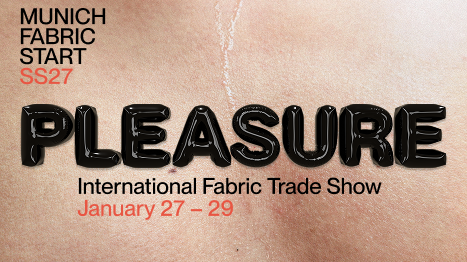
The future begins where we reimagine it. The overarching theme of PLEASURE stands for fashion as an emotional space, as an expression of attitude and cultural reflection.

KnitForm+ by Jeanne Mora – SUSTAINABLE INNOVATIONS
What matters is how the textile responds: how it regulates volume, distributes pressure, and transitions from flat to three-dimensional states. Process transparency is embedded in the methodology itself.

Cartoon – WEAR YOUR OPTIMISM
Embark on this fashionable journey and discover the new Cartoon collection at our store. Be inspired, mix and match to your heart's content, and wear optimism—every day, for every occasion.

RETRAKT – SUSTAINABLE INNOVATIONS
Performance, in this context, is measured by organisational resilience. RETRAKT applies resilience engineering to help employees anticipate, monitor, respond to, and learn from complex and changing requirements.