

Plantfur – by Studio iFocus
SUSTAINABLE INNOVATIONS
Peatlands, which are often called the “lungs of the earth,”, are delicate ecosystems that are under a lot of stress. These carbon-rich soils in the Netherlands are at risk of collapsing because of centuries of draining and intensive farming. When they do, they release emissions into the air. This environmental crisis is not only a call to fix things, for designer Iris Veentjer; it is also a chance to rethink the future of materials.
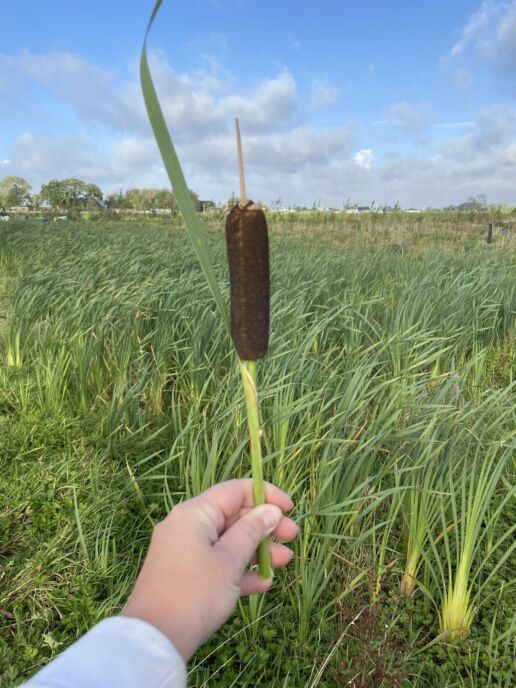
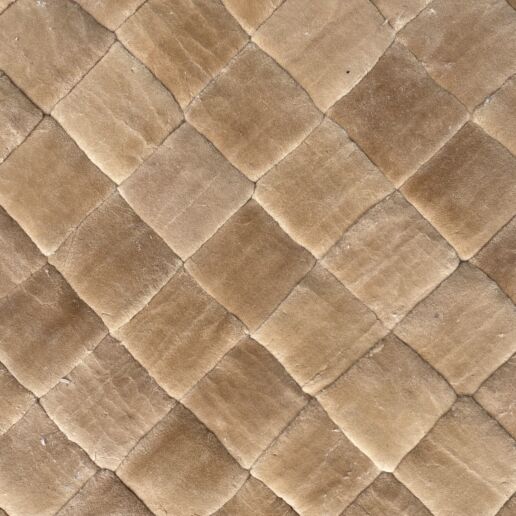
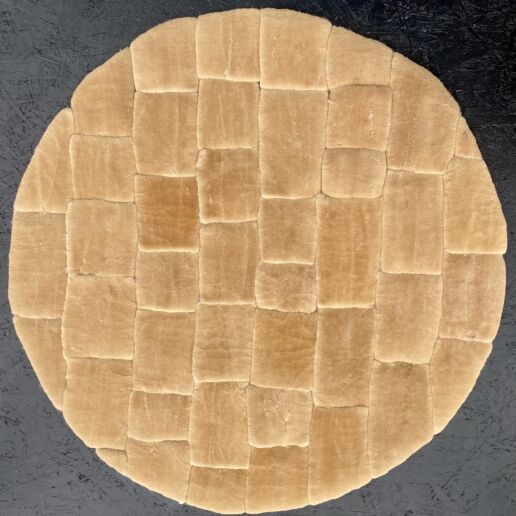
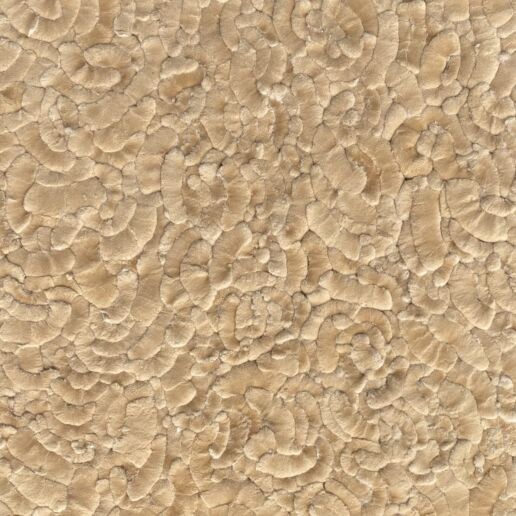
Veentjer’s practice has turned her attention to cattails, a plant that grows well in waterlogged soils and has the potential to change both landscapes and textiles. Plantfur, a surface material made from the cigar-shaped seed heads of the cattail, is the main focus of this research. These spikes are usually thrown away as agricultural waste, but they are collected before they spread too much and turned into panels that look like fur. Each cigar has its own size, so when they are put together, they make striated surfaces that are naturally beautiful. Not only is the material a more environmentally friendly alternative to animal fur and petroleum-based synthetics, but it also gives farmers a crop that helps reduce emissions.
“Harvesting cattail cigars earlier prevents their invasive spread and transforms waste into value.”
Iris Veentjer
The fact that SUSTAINABLE INNOVATIONS forum is featuring the project this season shows how important it is. Plantfur shows that sustainability can mean more than just doing less harm. Plantfur makes important points for the fashion and textile industries. What if wetlands were used to grow fur instead of factory farms? What if farming worked with climate resilience instead of against it?
Plantfur doesn’t just replace old materials; it makes a new way to use them based on ecological reciprocity. This is a very important lesson to learn. People won’t just judge the textiles of the future by how they feel on the skin; they’ll also judge them by how they work in ecosystems. Veentjer’s work shows that luxury and sustainability don’t have to be at odds with each other. They can be redefined together with materials that are both beautiful and good for the environment.
H2 | SI
THIS MIGHT BE ALSO INTERESTING FOR YOU:

MUNICH FABRIC START – January 26 closing report
A solid trade show. An optimistic mindset. That sums up the outcome of MUNICH FABRIC START. After three days, the Munich textile fair came to an end yesterday, Thursday, with the integrated show-in-shows BLUEZONE, KEYHOUSE and THE SOURCE. MUNICH FABRIC START concluded with a stable visitor frequency compared to the previous event.
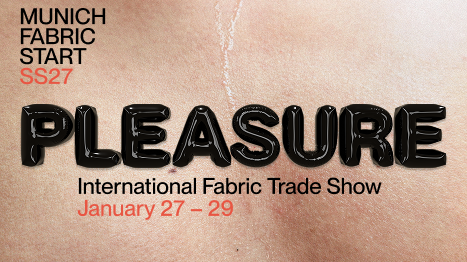
MUNICH FABRIC START – Between Attitude and Sensuality
The future begins where we reimagine it. The overarching theme of PLEASURE stands for fashion as an emotional space, as an expression of attitude and cultural reflection.

KnitForm+ by Jeanne Mora – SUSTAINABLE INNOVATIONS
What matters is how the textile responds: how it regulates volume, distributes pressure, and transitions from flat to three-dimensional states. Process transparency is embedded in the methodology itself.

Cartoon – WEAR YOUR OPTIMISM
Embark on this fashionable journey and discover the new Cartoon collection at our store. Be inspired, mix and match to your heart's content, and wear optimism—every day, for every occasion.

RETRAKT – SUSTAINABLE INNOVATIONS
Performance, in this context, is measured by organisational resilience. RETRAKT applies resilience engineering to help employees anticipate, monitor, respond to, and learn from complex and changing requirements.

MATERIA FUTURA – SUSTAINABLE INNOVATIONS
Materia Futura is not proposing a new bio-material category, nor a finished commercial textile. What distinguishes the project is its design-led investigation into the emotional and aesthetic dimensions of bio-based materials, an area often sidelined in sustainability discourse.
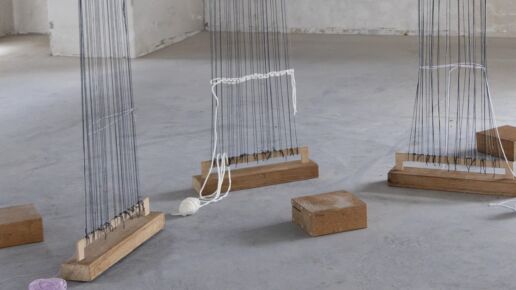
THREADED PROTOCOLS – SUSTAINABLE INNOVATIONS
Threaded Protocols is not a textile innovation in the commercial sense, nor a digital tool disguised as craft. What makes the work distinct is its material investigation into how computational logic originates in textile practice and what is lost when those logics are abstracted into opaque technological systems.
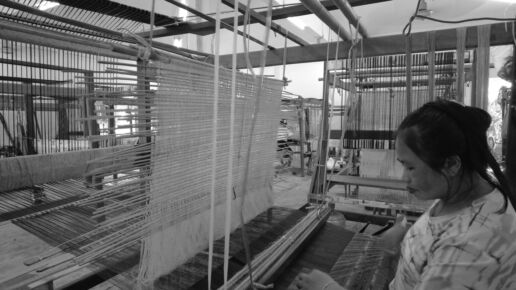
MARIE VILAY – SUSTAINABLE INNOVATIONS
Marie Vilay does not present a new fabric or production technique. What distinguishes her work is a method of reading and translating textile knowledge across cultures, systems, and moments of transition.
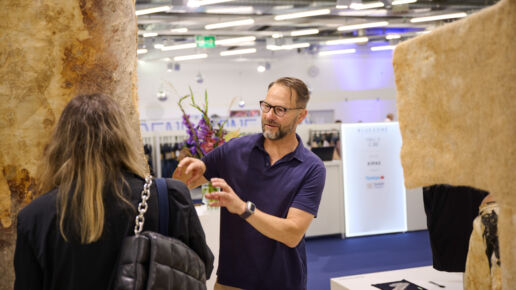
Interview with Simon Angel, Curator of SUSTAINABLE INNOVATIONS
Each season, the Sustainable Innovations forum brings together projects that provoke, inspire, and challenge assumptions. This year is no exception, with work ranging from bio-luxury couture to energy-generating textiles and regenerative materials grown from wetlands.
MUNICH FABRIC START – September 25 closing report
At its 56th edition, MUNICH FABRIC START reinforced its clear positioning. Over two days, the Munich textile trade show brought the fashion industry together with its four show-in-show formats.