

RIETGOED BY IRIS VEENTJER
Explore these innovative projects at the Sustainable Innovations Forum in the Keyhouse in Hall 7
Designer Iris Veentjer, owner of Studio i Focus, is dedicated to innovative material research and experimental design to foster a regenerative world. Since 2018, she has created products raising awareness about environmental and social issues. The Netherlands faces significant soil subsidence and greenhouse gas emissions due to peatlands being drained for cattle grazing, which leads to plant decomposition and CO2 release. To address this, alternative agricultural methods like wetland cultivation are being explored.
A type of plant that thrives in wet conditions are cattails, the cultivation of which is currently not profitable for farmers, which is why its fibres are typically used for low-value products like insulation. Iris’s project, RietGoed, aims to develop high-quality textiles from cattails.
Iris developed a machine to mechanically extract fibers from cattails, allowing them to be processed like linen. This innovative approach can help reduce soil subsidence and emissions while creating a biocircular production process utilizing all parts of the plant.
With RietGoed, Iris aims to inspire broader adoption of sustainable practices and scale up textile production.
“Textiles made from cattails could potentially replace synthetic oil-based yarns. I aim to have the process from plant to fiber to product be fully biocircular. After multiple recyclings, textiles can return to the fields, contributing to peatland restoration,” she summarizes.


“RietGoed can be a solution to the nitrogen problem in peat meadow areas. By draining these areas, the soil sinks and nitrogen is released into the air. If we grow cattails on peat meadows in watery peat soil and make clothing from them, farmers will have the opportunity to earn money with this new crop.” – Iris Veentjer


Explore RIETGOED BY IRIS VEENTJER in the Sustainable Innovations Forum at KEYHOUSE in Hall 7!
THIS MIGHT BE ALSO INTERESTING FOR YOU
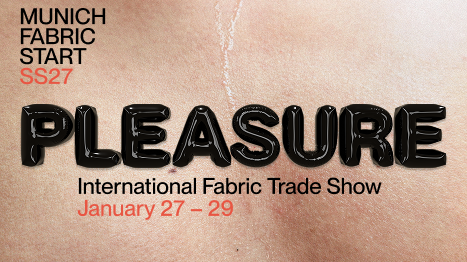
MUNICH FABRIC START – Between Attitude and Sensuality
The future begins where we reimagine it. The overarching theme of PLEASURE stands for fashion as an emotional space, as an expression of attitude and cultural reflection.

KnitForm+ by Jeanne Mora – SUSTAINABLE INNOVATIONS
What matters is how the textile responds: how it regulates volume, distributes pressure, and transitions from flat to three-dimensional states. Process transparency is embedded in the methodology itself.

Cartoon – WEAR YOUR OPTIMISM
Embark on this fashionable journey and discover the new Cartoon collection at our store. Be inspired, mix and match to your heart's content, and wear optimism—every day, for every occasion.

RETRAKT – SUSTAINABLE INNOVATIONS
Performance, in this context, is measured by organisational resilience. RETRAKT applies resilience engineering to help employees anticipate, monitor, respond to, and learn from complex and changing requirements.

MATERIA FUTURA – SUSTAINABLE INNOVATIONS
Materia Futura is not proposing a new bio-material category, nor a finished commercial textile. What distinguishes the project is its design-led investigation into the emotional and aesthetic dimensions of bio-based materials, an area often sidelined in sustainability discourse.
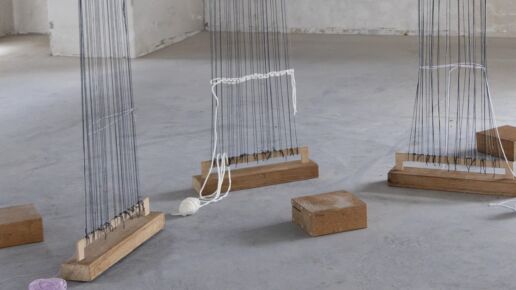
THREADED PROTOCOLS – SUSTAINABLE INNOVATIONS
Threaded Protocols is not a textile innovation in the commercial sense, nor a digital tool disguised as craft. What makes the work distinct is its material investigation into how computational logic originates in textile practice and what is lost when those logics are abstracted into opaque technological systems.
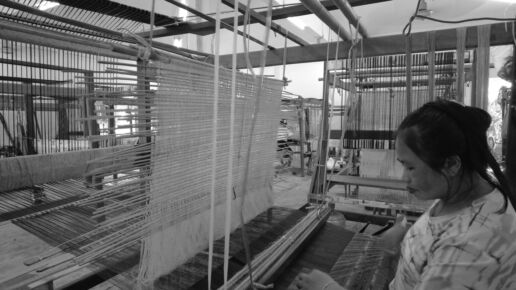
MARIE VILAY – SUSTAINABLE INNOVATIONS
Marie Vilay does not present a new fabric or production technique. What distinguishes her work is a method of reading and translating textile knowledge across cultures, systems, and moments of transition.
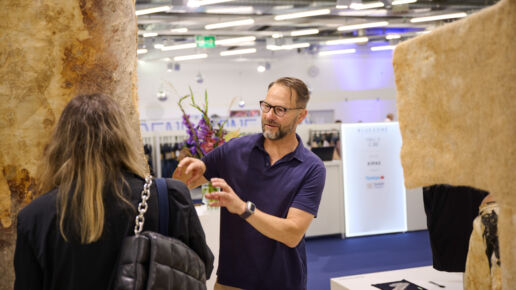
Interview with Simon Angel, Curator of SUSTAINABLE INNOVATIONS
Each season, the Sustainable Innovations forum brings together projects that provoke, inspire, and challenge assumptions. This year is no exception, with work ranging from bio-luxury couture to energy-generating textiles and regenerative materials grown from wetlands.
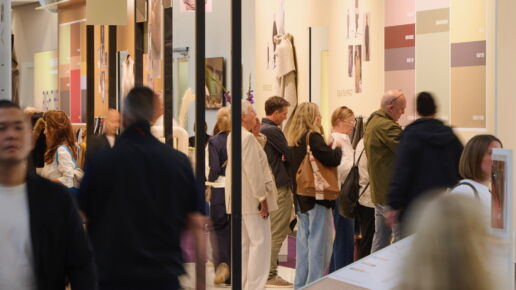
MUNICH FABRIC START – September 25 closing report
At its 56th edition, MUNICH FABRIC START reinforced its clear positioning. Over two days, the Munich textile trade show brought the fashion industry together with its four show-in-show formats.
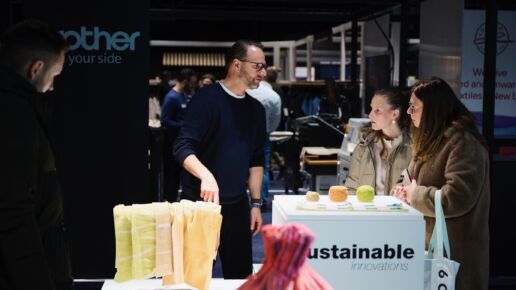
Materials as Agents of Change with Simon Angel
Each season, the Sustainable Innovations forum brings together projects that provoke, inspire, and challenge assumptions. This year is no exception, with work ranging from bio-luxury couture to energy-generating textiles and regenerative materials grown from wetlands.