

Sustainability
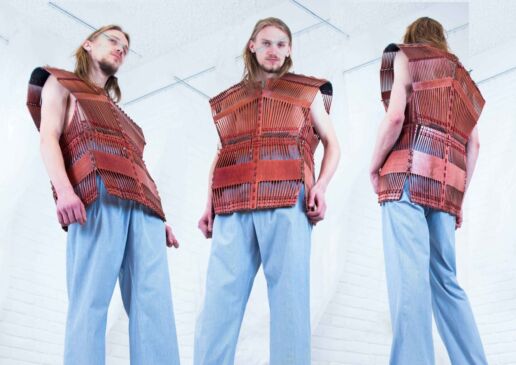
A Suit of Armour - Sustainable innovations
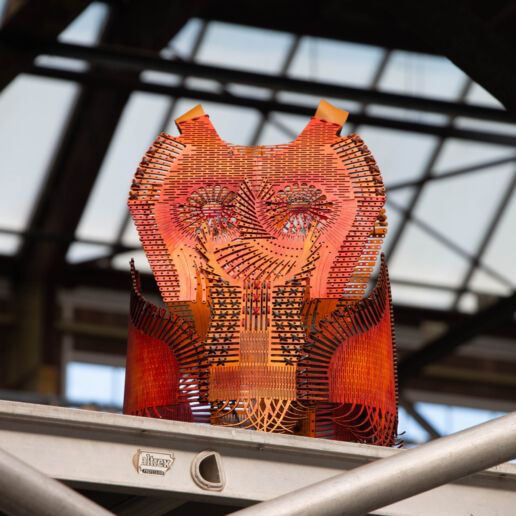
A suit of armour made of wood
Choub by Mehdi Mashayekhi
Sustainable innovations
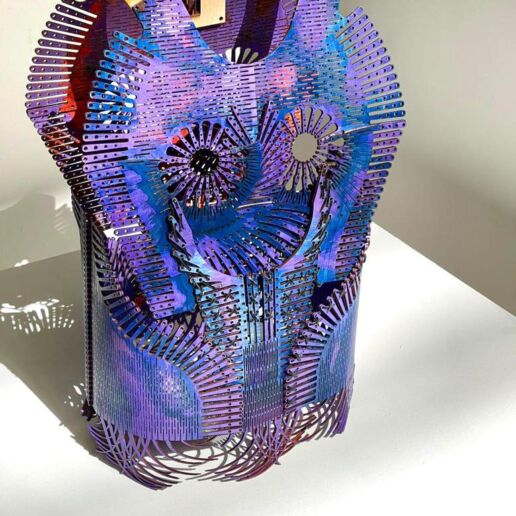
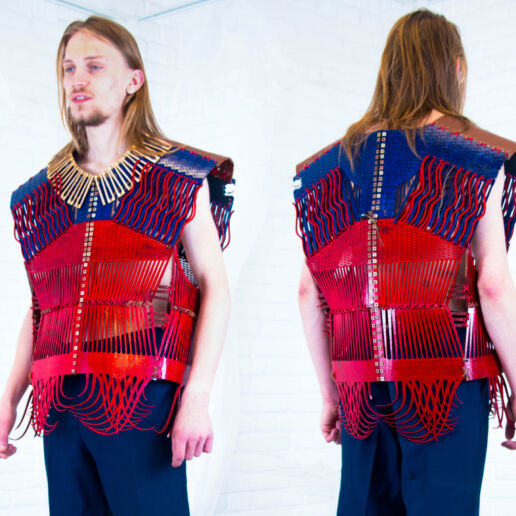
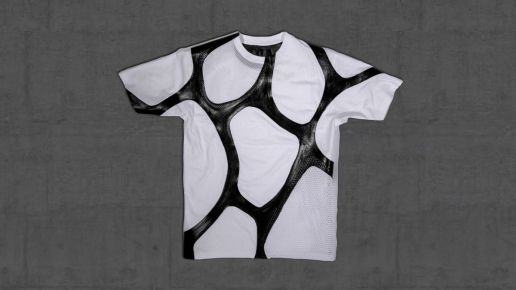
The name says it all: “Choub” means “wood” in Farsi – the material that designer Mehdi Mashayekhi draws on in his project Choub and uses innovative methods to create something new: Using digital fabrication, he has designed an abstract clothing collection for which he deconstructs the wood, giving the material new physical properties such as flexibility and stretchability.
The designer resorts to two methods: with topology optimisation, a computer-based process, he uses algorithmic models to determine the optimal shape of components in terms of load limits. The generative design method also creates new, powerful design options with the help of artificial intelligence. In this way, Mehdi Mashayekhi succeeds in solving complex requirements, distributing the weight of components and reducing manufacturing costs.
“Design is a glowing point in the cross-point between art and science, where reality meets vision.”
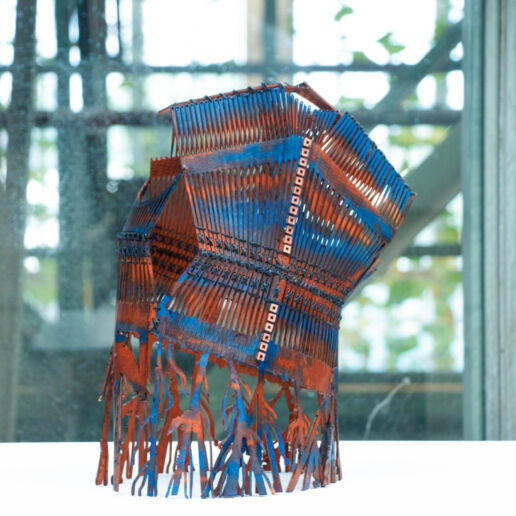
Innovative, unconventional, visionary: In the Choub project, 6mm thick plywood is used to create armour-like, portable constructions in which the wood loses its hardness and becomes flexible. Win-win: The designer optimises the use of materials in the design and at the same time provides a solution for upcycling waste. With the use of digital manufacturing, Mehdi Mashayekhi is helping to drive circularity and strengthen openness to materials and technical textiles.
———————————————————————–
THIS MIGHT BE ALSO INTERESTING FOR YOU

BLUEZONE NEWS FOR SEPTEMBER 2025 – PART I
The company is expanding its range of recycled cotton fabrics across both denim and sportswear, including recycled versions of its flagship articles.

Additionals Trends Autumn.Winter 26/27 – Part 1
The Hackenberg Textile Group focuses on innovations in the areas of ribbons, waistbands, textiles and labels.

The Source Collection’s News: EAST
Sourcing teams are constantly exploring new fabrics – dobbies, crepes, voiles – and innovative techniques that push the boundaries of creativity.

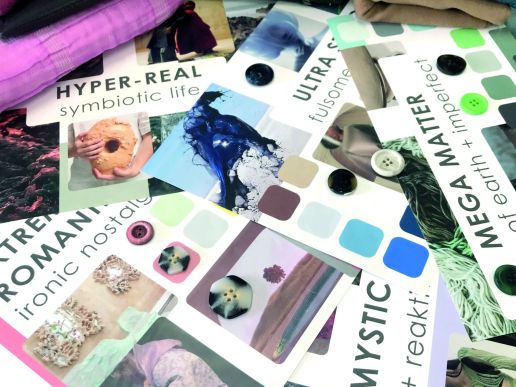
Dicover the latest button innovations
Additionals Buttons - Autumn.Winter 23/24
We present 5 button companies that will introduce their new designs at the upcoming MUNICH FABRIC START.
The latest developments for buttons, ribbons, ornamentations, rhinestones, fasteners, linings, lace, embroidery, inlays as well as labelling and branding solutions will be presented by around 200 leading international suppliers of trims and accessories in the ADDITIONALS area.
BONFANTI FRATELLI
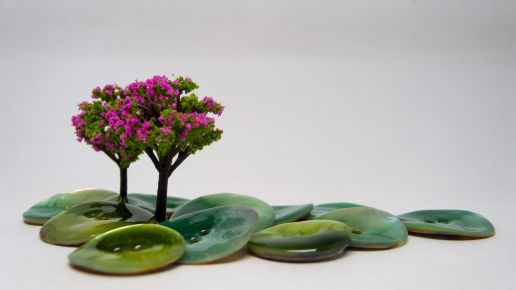
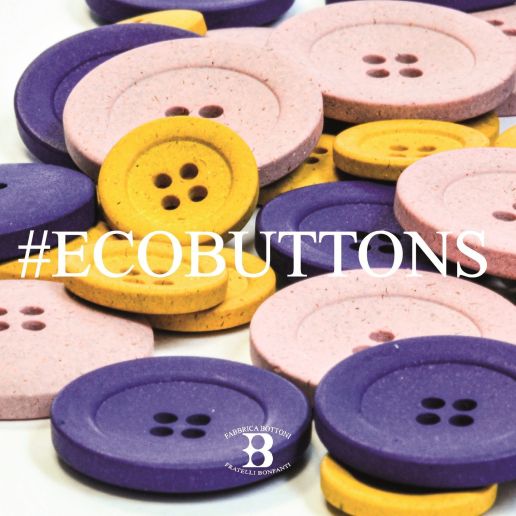
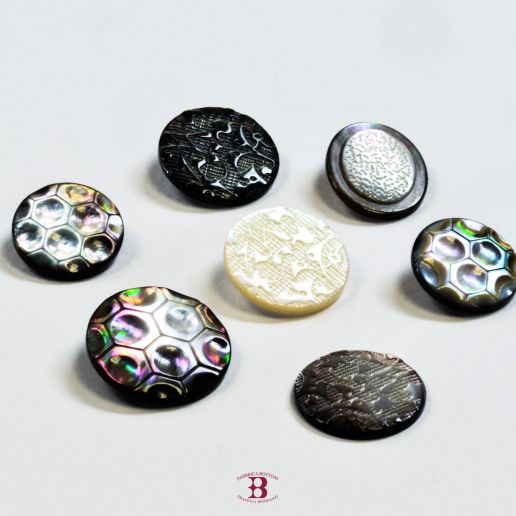
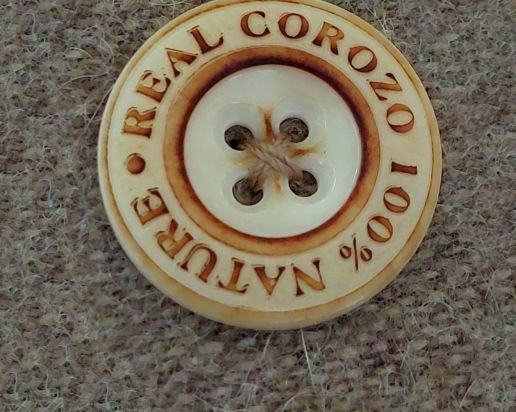
Imagine a world always full of new colors, materials, shapes that is mirrored in buttons collections. Imagine hand-sewed collection samples cards in which buttons are presented in line with the aesthetic and creative suggestions of the latest Made in Italy fashion trends. F.lli Bonfanti is a family-owned company, based in Torino – Italy, producing high quality fashion buttons since 1946. For more than 70 years, the company core business is to create high quality buttons made from different materials – from natural (Mother of pearl, corozo, wood, horn, coconut, bamboo …) to metal, polyester, nylon and abs. Nowadays, grasping the right challenges to protect and respect the environment, they design and produce articles made from recycled materials such as paper, hemp powder, corozo and are conducting studies and researches to use bioplastic materials.
————————————————————————–
Knopf Schäfer GmbH
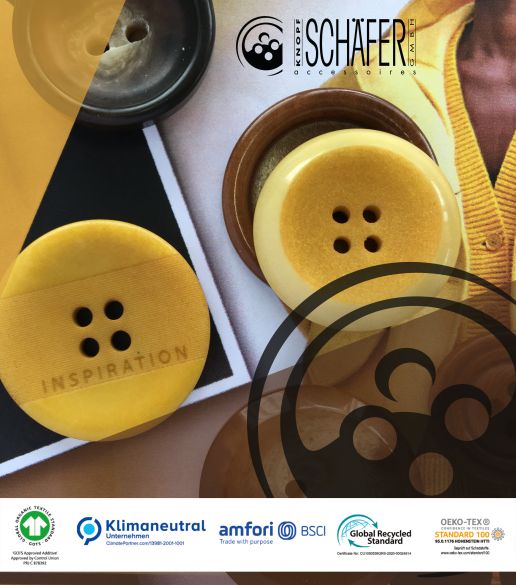
Comfort and coziness continue to be trend-setting factors in the fashion industry, but this fall tendencies are shifting towards more “dressed-up” looks. Knopf Schäfer picks up on both themes in its current collection. Materials such as real corozo or real horn are interpreted in a sometimes rough, sometimes elegant way. Whereas iridescent mother-of-pearl looks will give your designs that certain glam factor!
————————————————————————–
KAHAGE BUTONIA
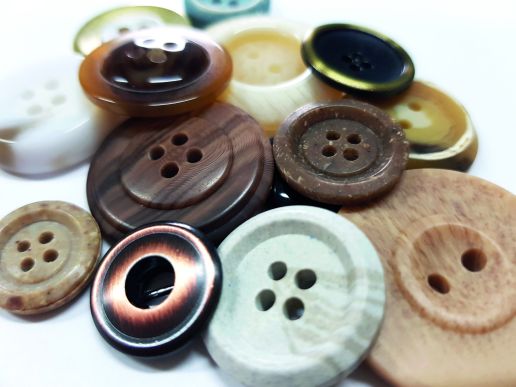
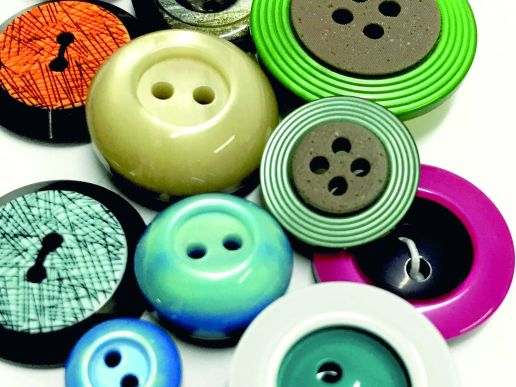
The KAHAGE-Butonia Group presents the polarisation of the world meeting design in the AUTUMN/WINTER 2023/24 season. It’s all WOW! On the one hand extremely chaotic, on the other hand calm and puristic. And in between, a combination emerges that is made up of useful elements from nature and technology.
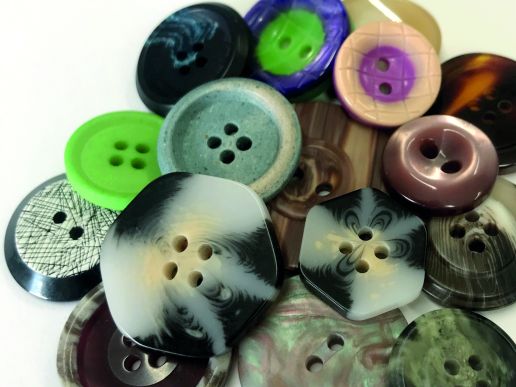
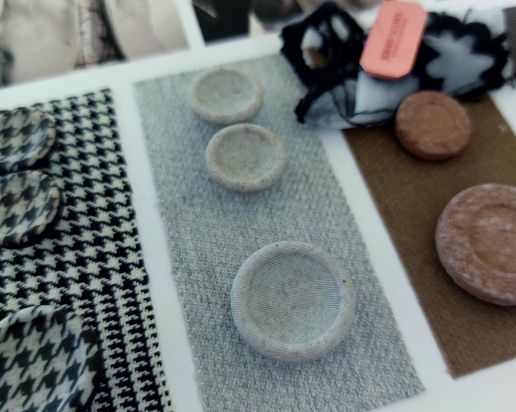
Collection 77 shows the diversity in an exciting range. Consisting of a large palette of the latest colours that are earthy natural or bold and gaudy in unusual colour combinations. Modern shapes with many interesting colour gradients and structured or lasered surfaces are offered in a wide range of sizes. The focus is on unique in-house developments that have been developed with a great love of fashion and current trends.
————————————————————————–
UNION KNOPF
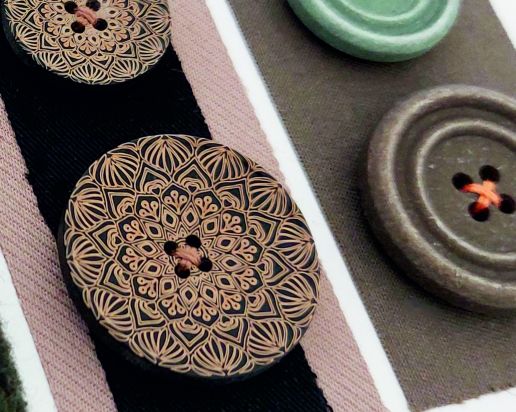
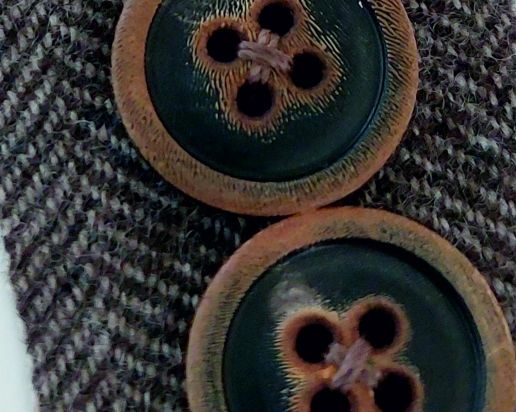
Based on the analysis of global trends in men’s and women’s fashion, every year Union Knopf launches a new collection of clothing fasteners for the autumn-winter season. The presentations feature ideas based on classics and innovative concepts that inspire tailoring businesses. Union Knopf takes a responsible approach to sustainability in the fashion industry, creating raw materials and choosing environmentally friendly production methods. They also respond to new and occuring market demands.
————————————————————————–
THIS MIGHT BE ALSO INTERESSTING FOR YOU
BLUEZONE Signature Spring.Summer 25 – Part II
The designer has given free rein to his creativity to develop his vision of high quality, making increased use of ISKO's Ctrl+Z material science.
BioBase – Sustainable innovations
The project targets the establishment of biobased polymers in the textile industry, demonstrating their full potential.
Fabric Trends Spring.Summer 25 – Part IV
Summer, sun, well-being: Cooling materials such as cotton, linen, hemp is wanted as plain or combined qualities.
Blooming Minds – Sustainable Innovations
Elizabeth’s research focuses on combining nature – especially the use of natural and recycled materials – and community, a social practice which weaves themes such as mental health while encouraging accessible creativity.
The latest accessory developments for Spring.Summer 25 – Part II
The narrow fabrics combine excellent elasticity with sustainable materials and promote environmentally friendly practices.
Being Plucked – Sustainable Innovations
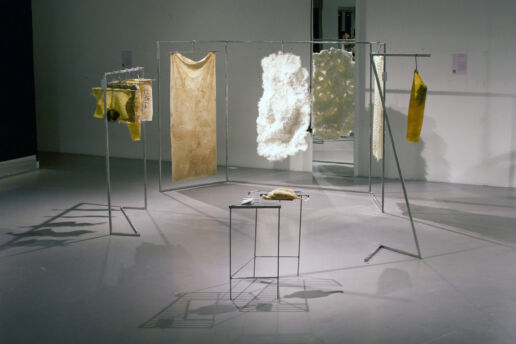
"Being Plucked" questions underlying assumptions and illuminates the political dimensions of decisions about one's body.
DESIGN STUDIOS – SPRING.SUMMER 25 I
Their collection is inspired by the latest catwalks, Copenhagen street style and consumer trend reports.
Fabric Trends Spring.Summer 25 – Part III
They are crafting high-end fabricsby embracing minimalism and precision and combine exceptional functionality with collective responsibility and prioritize the development of degradable materials with a minimal ecological footprint.
Revoltech – Sustainable Innovations
The revolution of Revoltech lies in the use of Hemp-Leder, an advanced fusion of hemp fibers and traditional leather.
BLUEZONE Signature Spring.Summer 25 – Part I
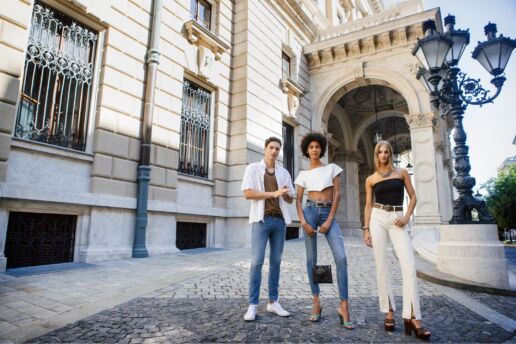
IBIZABLUE is a bright and vibrant shade inspired bythe summer season. This unique colour allows fora range of washes that maintain their vitality, evenafter multiple wash cycles.
Fabrics: from maximum padded cosiness to ultra-light fluidity
Fabrics: from maximum padded cosiness to ultra-light fluidityBRICS:
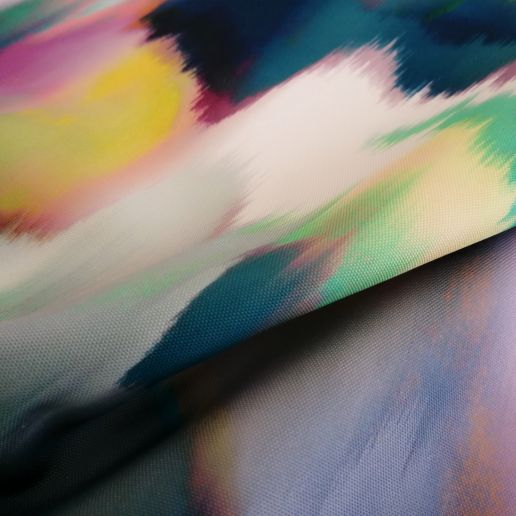
Materials amaze through new extremes – from maximum padded cosiness to ultra-light fluidity. Patterns blow up too an ultimate size and checks and camouflage are oversized. Wool and fake furs offer an enhanced tactile sensation.
6DIAS
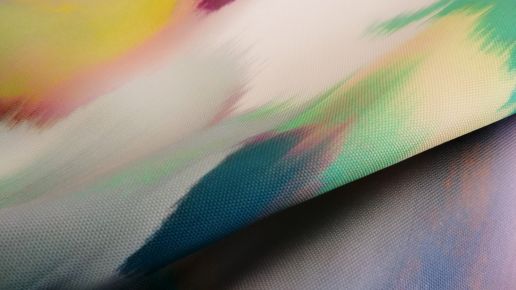
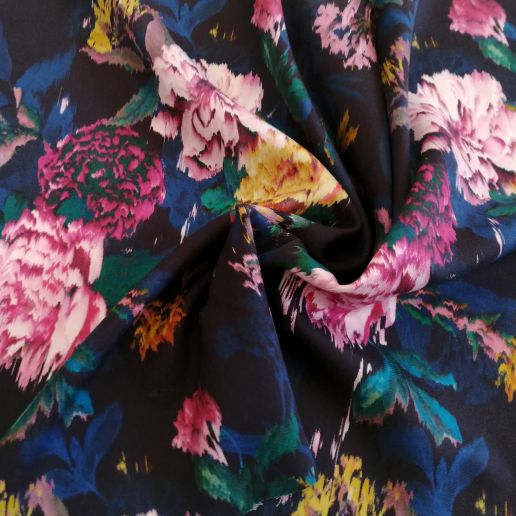
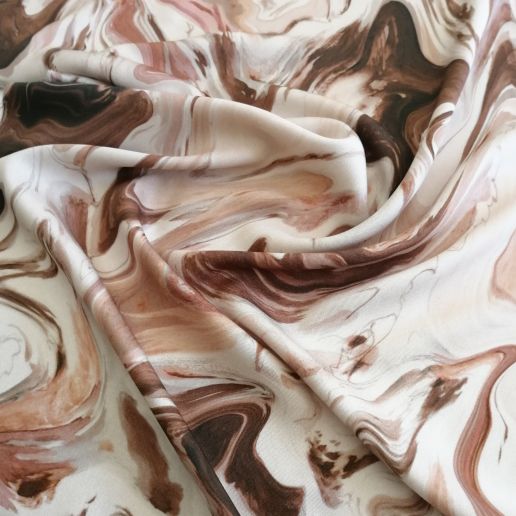
The new 6DIAS collection FW23-24 is divided in 3 themes: TWILIGHT GARDEN, CALM NATURE AND THE NEO ROOTS. Cool greens, swampy darks, energising brights and digital pastels will be key colour messages this season, with trendy prints, cosy velvets and teddy fleece and quilted outdoor fabrics. Highlights are winter heavy twills in Tencel and Viscose, Crêpe, Mouslins and Satins, as well as sustainable fabrics from Organic and BCI cottons, recycled Polyesters, Ecovero and Lenzing fabrics.
————————————————————————–
AKBAŞLAR TEKSTİL

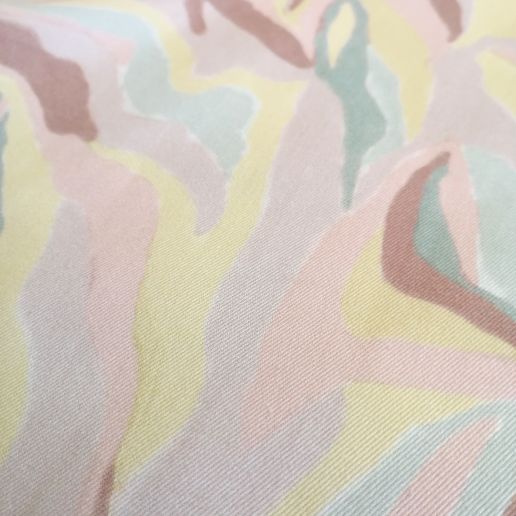
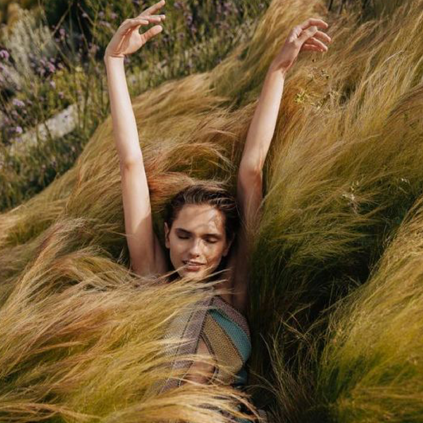
The qualities of Akbaslar come with a modern and innovative identity for the new AW23/24 collection. Their sustainable qualities make a difference in terms of texture and touch. The new collection is created from a natural perspective which emphasizes the simplicity and unprocessed nature in nature.
————————————————————————–
A.P.C. ALMODO
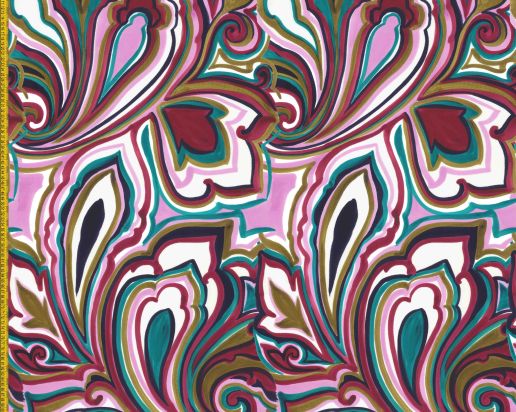
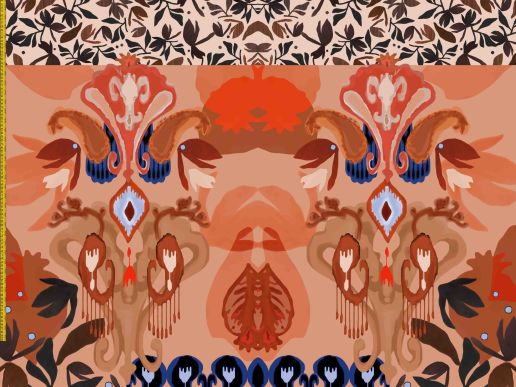
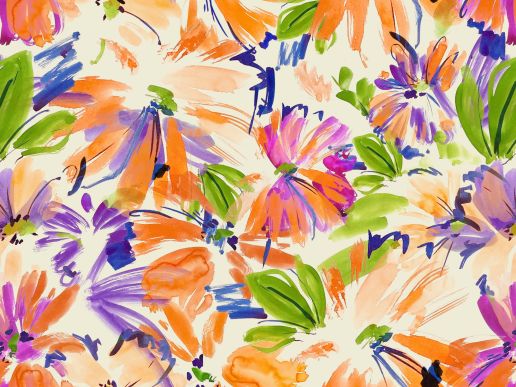
A.P.C. Almodo Print Collection ‘s Autumn / Winter 23-24 collection is calling attention with their impressive lively colours and print quality thanks to high technology production. A.P.C. offers a varied collection of prints with handcrafted and organic looks, sea skins, new wave and geo prints, tie dye, watercolour designs that meets huge range of fabrics on a high level of quality.
————————————————————————–
C. PAULI
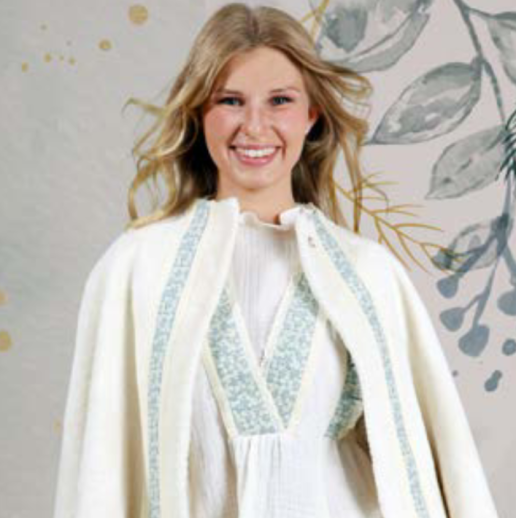
The Autumn/Winter 23/24 fabric collection by C.Pauli is GOTS certified and focuses entirely on wonderful and sustainable organic qualities such as sweat, nicky, plush, interlock, poplin, gabardine, corduroy, tulle and denim. An enchanting selection inspired by “Quality by Nature”. The in-house ribbon weaving mill Kafka also produces jacquard ribbons in trendy looks on historic looms – Made in Wuppertal. Designs and labels can be made entirely individually here.
————————————————————————–
DRESDNER SPITZEN
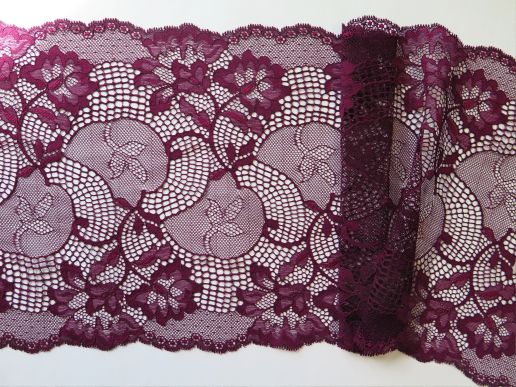
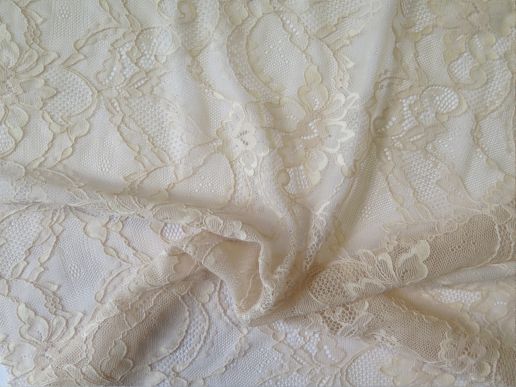
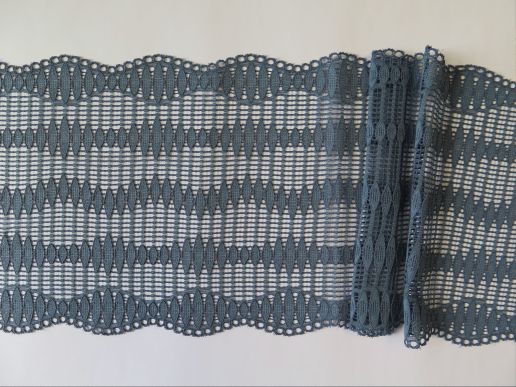
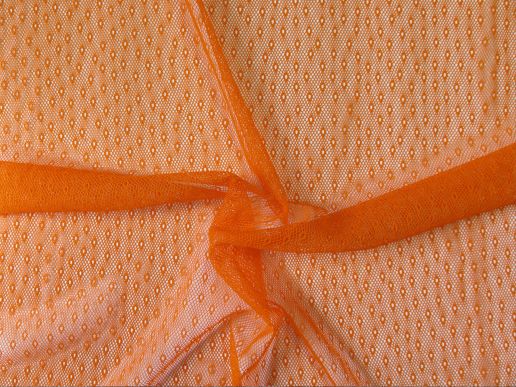
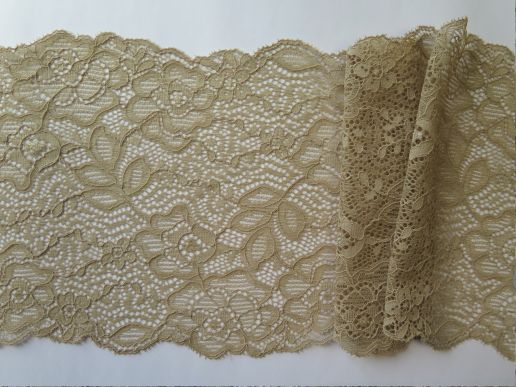
As a traditional family business with a spirit of innovation, Dresdner Spitzen develops sophisticated and sustainable lace galoons, lace fabrics and functional warp knit fabrics. The latest collection features versatile designs, including geometric arrangements in bold colours, expressive florals with intricate ornamentation as well as playful romantic motifs, in laces made of conventional but also recycled and other innovative materials.
————————————————————————–
THIS MIGHT BE ALSO INTERESSTING FOR YOU
BLUEZONE Signature Spring.Summer 25 – Part II
The designer has given free rein to his creativity to develop his vision of high quality, making increased use of ISKO's Ctrl+Z material science.
BioBase – Sustainable innovations
The project targets the establishment of biobased polymers in the textile industry, demonstrating their full potential.
Fabric Trends Spring.Summer 25 – Part IV
Summer, sun, well-being: Cooling materials such as cotton, linen, hemp is wanted as plain or combined qualities.
Blooming Minds – Sustainable Innovations
Elizabeth’s research focuses on combining nature – especially the use of natural and recycled materials – and community, a social practice which weaves themes such as mental health while encouraging accessible creativity.
The latest accessory developments for Spring.Summer 25 – Part II
The narrow fabrics combine excellent elasticity with sustainable materials and promote environmentally friendly practices.
Being Plucked – Sustainable Innovations
"Being Plucked" questions underlying assumptions and illuminates the political dimensions of decisions about one's body.
DESIGN STUDIOS – SPRING.SUMMER 25 I
Their collection is inspired by the latest catwalks, Copenhagen street style and consumer trend reports.
Fabric Trends Spring.Summer 25 – Part III
They are crafting high-end fabricsby embracing minimalism and precision and combine exceptional functionality with collective responsibility and prioritize the development of degradable materials with a minimal ecological footprint.
Revoltech – Sustainable Innovations
The revolution of Revoltech lies in the use of Hemp-Leder, an advanced fusion of hemp fibers and traditional leather.
BLUEZONE Signature Spring.Summer 25 – Part I
IBIZABLUE is a bright and vibrant shade inspired bythe summer season. This unique colour allows fora range of washes that maintain their vitality, evenafter multiple wash cycles.
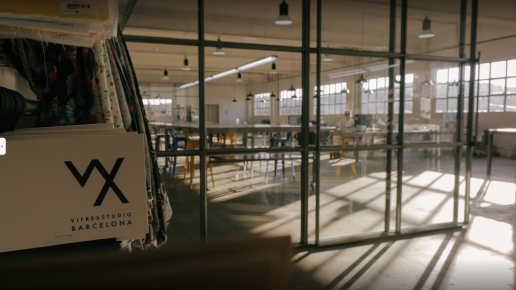
Vifrex Studio - Experts in Fabrics Design and Production from Barcelona
Vifrex Studio - Experts in Fabrics Design and Production
from Barcelona
An interview with Luigi Maria Cialdini, VIFREX STUDIO
This season we are profiling some of the exhibitors showcasing at MUNICH FABRIC START 2022. We are excited to present you VIFREX STUDIO.
With years of professional experience in the textile sector and the main Spanish retail group, Joan Vilalta founded VIFREX STUDIO in 2017. Located in Barcelona and Istanbul, the company covered all the needs from design, commercial area, planning and quality control, expanding to the vertical production of garments.
Known for the design, production and sale of fabrics, we decided to take a moment with Luigi Maria Cialdini of VIFREX STUDIO to discuss the company’s drive, challenges and newest developments.
You are specialists in textile design; what services does VIFREX Studio offer?
We are a team of fabrics designers and textile engineering. We provide our customers with a personal fabric designer that can help and assist in all the developments, proposing trends and mood boards for their needs.
What would you say your strengths are?
Quick development process starting from trends, colours, and base qualities proposals.
When it comes to sustainability, can you elaborate on your green strategies so far?
All our items meet the highest sustainable standards. We possess all the certifications like OCS, GRS, BCI, and CARE FOR WATER. More than 90% of our last year’s productions were sustainable.
You have a garment production base in Turkey; what do you do differently?
We assist our customers in the entire development process. We can produce for any size Brand, from the big retail chains to the slow fashion brands.
SLCP audited your fabric, and you are JOIN LIFE certified; how important do you think certification is in the Textile industry?
More than 90% of our last year’s productions were sustainable, and Join Life. We believe that the textile industry needs to be committed to the highest social value to improve the earth’s condition.
How important is it to be unique yet still have a recognizable factor in your work?
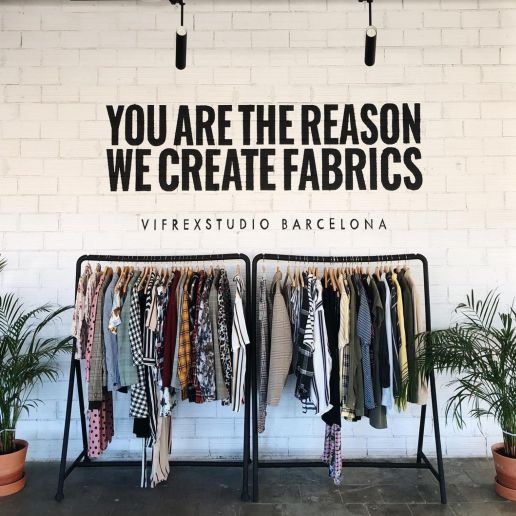
Being unique and quirky is the key to this business s success. We continually experiment with new colours, bases, and constructions to look attractive. The creative part is where we invest most of our time and effort. We are surrounded by a team of experienced designers always aiming for the newest and best product construction/combinations. Our motto is: YOU ARE THE REASON WE CREATE FABRICS.
Did you face challenges during the pandemic? And how did you deal with them?
We had a lot of time to think and reshape our business model. We concluded that being unique and attractive is the key.

Luigi Maria Cialdini – VIFREX STUDIO
Is it hard to stay innovative?
Not at all; innovation and creation have always been our goals since we started in 2016. Without breaking boundaries, our day-to-day job will be useless.
How do you walk the line between being unique and having commercial appeal?
This could be the tricky part of our business model, but our team of engineers is constantly building new bases and constructions to be commercial and attractive.
What’s next for VIFREX Studio? What direction do you see your company taking in the coming years?
We are about to launch Vifrex Atelier. Our garment studio design centre. We will assist our customers in the development process. Form Fabric to garments.
Come along and meet the VIFREX Studio team at Hall S1 Stand E106.
MUNICH FABRIC START will be taking place from 30st August 2022 until the 1st September 2022.
This might be also interesting for you
Blooming Minds – Sustainable Innovations
Elizabeth’s research focuses on combining nature – especially the use of natural and recycled materials – and community, a social practice which weaves themes such as mental health while encouraging accessible creativity.
The latest accessory developments for Spring.Summer 25 – Part II
The narrow fabrics combine excellent elasticity with sustainable materials and promote environmentally friendly practices.
Being Plucked – Sustainable Innovations
"Being Plucked" questions underlying assumptions and illuminates the political dimensions of decisions about one's body.
DESIGN STUDIOS – SPRING.SUMMER 25 I
Their collection is inspired by the latest catwalks, Copenhagen street style and consumer trend reports.
Fabric Trends Spring.Summer 25 – Part III
They are crafting high-end fabricsby embracing minimalism and precision and combine exceptional functionality with collective responsibility and prioritize the development of degradable materials with a minimal ecological footprint.
Revoltech – Sustainable Innovations
The revolution of Revoltech lies in the use of Hemp-Leder, an advanced fusion of hemp fibers and traditional leather.
BLUEZONE Signature Spring.Summer 25 – Part I
IBIZABLUE is a bright and vibrant shade inspired bythe summer season. This unique colour allows fora range of washes that maintain their vitality, evenafter multiple wash cycles.
Fabric Trends Spring.Summer 25 – Part II
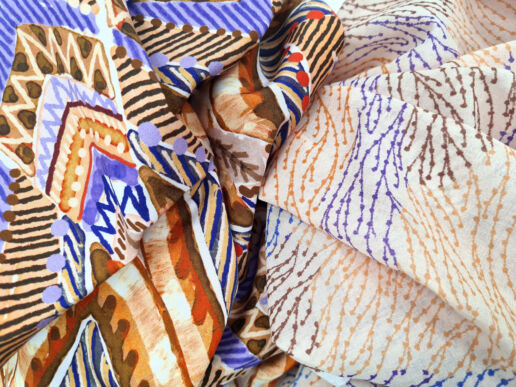
It's safe to say that a return to joy and lightness is in the air in the world of fashion!
The latest accessory developments for Spring.Summer 25 – Part I
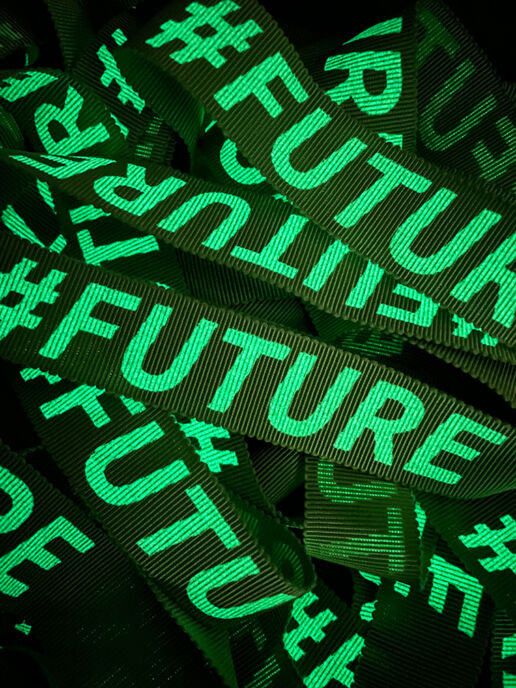
A big part of the collection consists of natural fibers with super light ribbons in 100% cotton, a linen braid-effect ribbon and hemp ribbons for a sustainable-oriented collection.
Fabric Trends Spring.Summer 25 – Part I
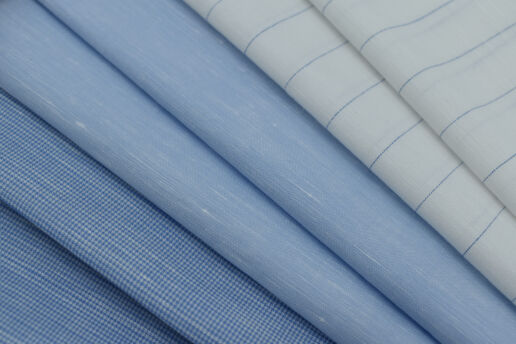
It reflects the longing for positivity and offers new graphics, colours and weights. Summer is the perfect time to show character and put the shirt at the centre of the outfit. centre of the outfit.
The Material Revolution - Who is leading the charge?
The Material Revolution, Who is Leading The Charge
Guest article by Muchaneta ten Napel, Founding Editor-in-Chief FashNerd
In the past five years, groundbreaking science has been changing the clothing industry one experiment at a time. With a ravenous appetite for new fabrics, some great candidates have been castor bean-derived nylons, mushroom leather, and synthetic spider silks. Designed to correct some of the textile industry’s wrongs, new materials have been enticing the attention of some of the most prominent players in the fashion industry, which is an excellent thing.
Introducing Cutting Edge Atelier
As we enter a new material age, there has been an influx of fabric alternatives being researched and explored. So even though it may all seem pretty experimental right now, here are five companies making many of us believe that new materials will become the norm over traditional ones.
Picture credit:
Circular Systems
AlgiKnit
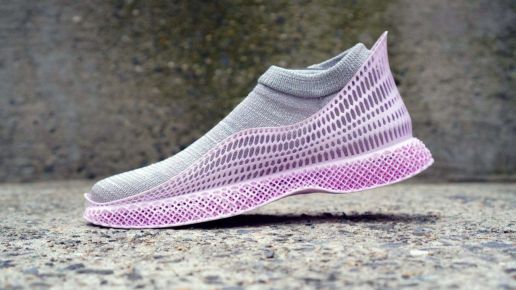
Is biology the future of fashion? Well, AlgiKnit seems to think so. The biomaterials company has been developing biomaterials that can play a vital role in the future of sustainable manufacturing.
By addressing the ecological damage caused by the fashion industry, AlgiKnit is making an impact by operating in a closed-loop product lifecycle that will bring sustainable bio-based textile alternatives to the footwear and apparel industries.
The biomaterials startup focuses on transforming the apparel ecosystem with rapidly renewable bio-based textiles. AlgiKnit has found a way of utilising materials with a significantly lower environmental footprint than conventional textiles. One of these materials is Kelp. Considered to be one of the fastest-growing organisms on earth – up to 10 times faster than bamboo. “Kelp is grown in aquatic farms around the world in coastal communities, often by fishermen and women, providing income during the fishing off-season,” states their site.
One of the benefits of Kelp, according to Fashion United is that it improves the environment by absorbing nutrients from agricultural and sewer run-off that can alter coastal settings. This recaptures nutrients for the next generation of biomaterials. Also, Algiknit’s biopolymer is entirely customisable.
Picture credit: Algiknit

Picture credit: Algiknit
MyCoWorks
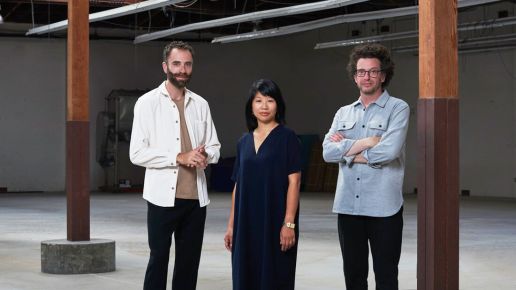
Founded by Philip Ross, Sophia Wang and Eddie Pavlu, the California startup MyCoWorks comprises a team of creative engineers, designers, and scientists. Their distinctive disciplines gave birth to a rapidly renewable natural resource called mycelium.
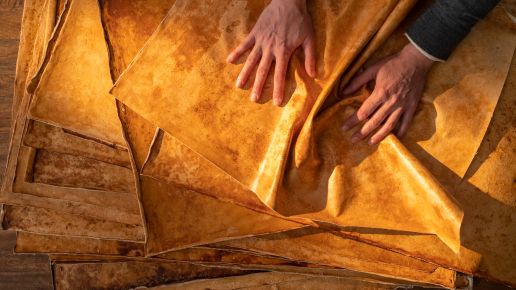
According to Insider.com, Mycelia are thread-like masses of fungi that grow underground. They run through almost every square inch of earth, delivering nutrients and allowing plants to “talk” to each other. MyCoWorks has innovatively used fungi to create a textile that performs like leather. On the mushroom-like material, Wang admitted to it being “a new thing in the world.”
So what does mycelium bring to the table? Well, MyCoWorks have presented mycelium as the solution to replace the resource-intensive product, leather. Relying on nature’s best tools, they have created a new kind of leather that can multiply from mycelium using a carbon-negative process. In addition, their custom-engineered material is sustainable, versatile, and animal-free. On MyCoWorks new leather, Dr Amanda Parkes, Chief Technology and Research at Manufacture NY, shared, “I believe we can solve all the world’s problems with mycelium biology”.
Picture credit: MyCoWorks
Picture credit: MyCoWorks

Picture credit: MyCoWorks
Desserto
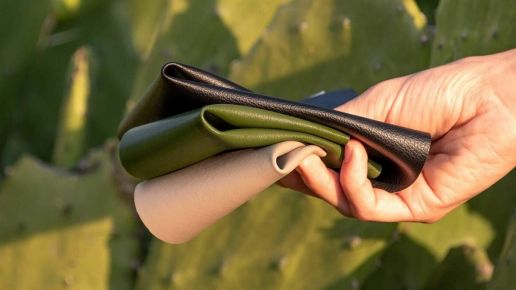
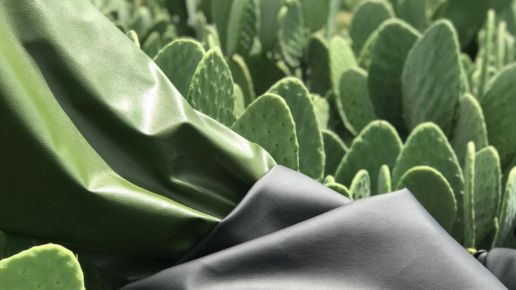
Cactus vegan leather is nothing new. The material first came to our attention back in 2019. We wrote about how the two entrepreneurs, Adrián López Velarde and Marte Cázarez, developed and showcased their vegan leather material at the International Leather Fair Lineapelle 2019.
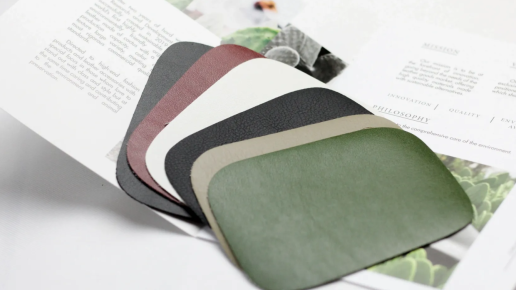
Made with cactus, the alternative to animal leather was heralded as a high resistance vegan cactus leather that would appeal to the fashion, interior and car industries.
Named Desserto, the cost-competitive material has been designed and developed to meet the most rigorous standards from the Aeronautic to the Fashion industries. That being said, not everyone has sung their praises. For example, Dr Ashley Holding and Paula Lorenz outed the Desserto material as partly vegan leather with cactus; the rest they described in a write-up was “undefined chemicals”. Although the founders have shared that the chemicals they use are non-toxic, it is not a truth revealed so openly by Desserto. Instead, the Mexican startup concentrated on the fact that their material was ‘PVC Free’ and did not contain a particular type of plastic.
Picture credit: Desserto
Picture credit: Desserto
Picture credit: Desserto
Agraloop
Picture credit: Agraloop
Agraloop has been busy transforming leftovers from food and medicine crops into scalable high-value natural fibre fashion products. The materials science company refines natural fibres from crops into a textile-grade fibre called Agraloop™ BioFibreTM.
“Our circular plus regenerative technologies provide systemic solutions for transforming waste into valuable fibre, yarn, and fabrics for the fashion industry,” states their website.
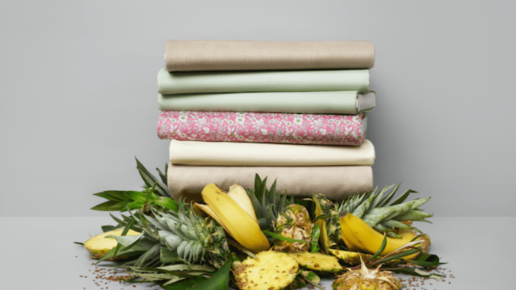
Mindfully sourced for circularity, Agraloop has developed a specialised wet processing technique; cellulose fibre from stems and leaves is purified into soft fibre bundles ready to spin into yarns. The Agraloop processes leftovers from various food and medicine crops, including oilseed hemp/flax, CBD hemp, banana, and pineapple.
Modern Meadow
Modern Meadow exists at the intersection of performance, scalable adoption and sustainability. The company began with an R&D initiative to develop a sustainable alternative to leather, which led to a breakthrough discovery of proteins as functional ingredients.
Harnessing the power of design, biology, and engineering, in 2017, Modern Meadow launched their prototype materials brand, ZOA. With the ability to impact a range of products across multiple industries, Modern Meadow state on their website: “Our experiments and exploration within ZOA led to the creation of Bio-Alloy™ and its application in a wide range of high-performing, low-waste bio fabricated materials, and our unique capabilities to create functional, animal-free proteins.”
Scaling by partnering with forward-thinking developers, manufacturers, and brands, Modern Meadow continues to educate industries on the possibilities of a biomaterial future.
Picture credit:
Modern Meadow

About the author
Founding editor-in-chief of FashNerd.com, Muchaneta has worked in the fashion industry for over 14 years. She is currently one of the leading influencers speaking and writing about the merger of fashion with technology and wearable technology.
Muchaneta ten Napel | editor@fashnerd.com
———————————————————————–
Discover further industry-disrupting innovations at our upcoming shows:
Advancements and Innovation: Who is Busy Solving a $4.6 Billion Problem?
Advancements and Innovation:
Who is Busy Solving a $4.6 Billion Problem?
Guest article by Muchaneta Ten Napel, Founding Editor-in-Chief FashNerd
A ubiquitous wardrobe staple, denim is one of the most prevalent fabrics of our time. Developed through the ages, those behind the widely used material are on a mission to transform the global apparel business into a cleaner, more ethical and more sustainable industry.
It is no secret that denim production is negatively impacting the environment.
Still, the good news is that more and more manufacturers, brands, retailers, and consumers are making an immense effort to undertake the issues related to the production of denim. Furthermore, driven by buzz words like ‘sustainability’ and ‘recycling’, many denim businesses are turning to new technologies to help them attain the most sustainable system possible.
When the denim industry becomes more sustainable, we need a new approach. The good news is that the technology has advanced to the point where we can make a big difference in reducing the environmental footprint of denim. Here are some great examples of some of the revolutionary approaches that have been introduced to the denim industry in the past few years.
Picture credit: Ecotextile News
Smart Factory 4.0: Denim’s Greenest Ecosystem
Crescent Bahuman is taking the denim industry on a journey. Understanding the need for the industry to digitise, Zaki Saleemi, vice president of Crescent Bahuman, believes that one of the ways of doing this is through intelligent decisions supported by data.
Saleemi explained to Sourcing Journal that the intelligent factory is designed to give on-site managers real-time information on shop floor activity and other vital sustainability-related metrics like water measurements. The upgrade is a digitization plan that can help a denim company “get organised, get connected, get insights, and get optimised”.
Another exciting development is that Crescent Bahuman is also implementing the blockchain-enabled PaperTale, which shows the entire map of the supply chain – where the cotton came from, where it was manufactured, and where it got converted into fabric.
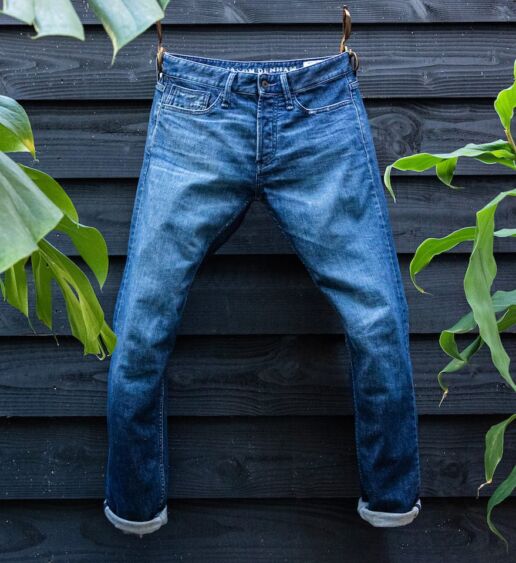
Picture credit: Levi
Picture credit: Levi Strauss
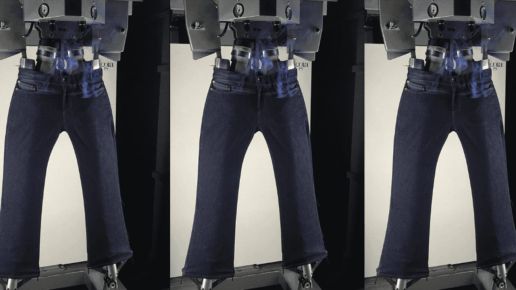
Levi’s Earth Conscious Robotic Technology
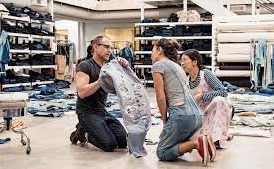
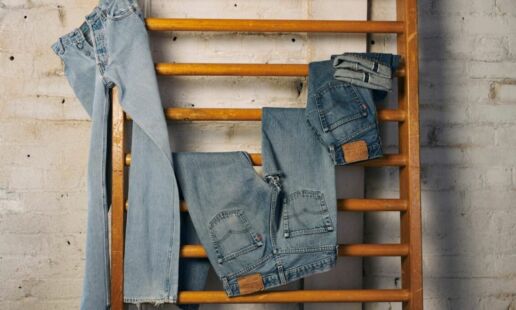
The majority of jeans are washed for hours to achieve that perfect blue colour, and the result is that the dyes end up polluting the groundwater. Looking back to a time when new innovation was leaving its mark on the denim industry, Levi came up with laser technology that made creating ripped and washed jeans easier and more efficient.
Looking to reduce the man-hours put in by designers trying to figure out the perfect fade and the time factory workers spend sandpapering the jeans, Levi’s is also determined to lessen the harsh chemicals that give jeans that much sought after faded look.
Picture credit: The Spin Off
Probing the use of Alternative Raw Materials
Exploring alternative raw materials such as hemp or orange pulp in textile production, Lenzing and denim manufacturer Candiani partnered to push the traditional boundaries of fibre production.
With similar environmental goals, Candiani’s biodegradable stretch denim made from Tencel Limited Edition yarns to the game contains 20% hemp fibre.
Again, Lenzing’s closed-loop manufacturing process has provided an excellent alternative to many classics – a new Tencel Limited Edition hemp soft fibre is an excellent alternative to many classics.
G-Star Raw: Pioneering New Means of Production
When it comes to sustainability, G-Star RAW is not only talking the talk; they are proving their commitment by continuously challenging the conventions of denim design.
Pioneering new means of production while maintaining an uncompromising dedication to quality and style, a few years ago, G-Star came up with a step-by-step process of how the Elwood RFTPi Jean came about. It was a process that pioneered a radical new dyeing method which is hydro and salt-free. They called the process Crystal Clear.
Considered to be the most radical change at the time when it comes to indigo dyeing process, the formula, even in its infancy, showed off its potential to play a part in saving the environment.
Picture credit: Fast Company
Picture credit: Science News for Students
Helping the Denim Industry Go Green
Combining economy and ecology, Sedo Engineering’s innovation is helping the denim industry go green. The Swiss innovation specialists have developed smart-INDIGO to help denim brands quickly move towards this sustainable production structure with more benefits at lower costs. Instead of toxic chemicals, Sedo Engineering uses only electricity and caustic soda to dissolve indigo dyes.
Giving out oxygen instead of toxic wastewater, smart-INDIGO reduces water use by 70 per cent, energy consumption by six times and carbon emission by ten times. The innovation is a “win-win solution for our clients”, says Werner Volkaert, managing director of Sedo Engineering.
With 17 smart-INDIGO machines operating worldwide, Sedo Engineering hopes to bring a revolutionary change to the denim industry.
About the author
Founding editor-in-chief of FashNerd.com, Muchaneta has worked in the fashion industry for over 14 years. She is currently one of the leading influencers speaking and writing about the merger of fashion with technology and wearable technology.
Muchaneta Ten Napel | editor@fashnerd.com
———————————————————————–
Don’t miss to explore more sustainable fabrics and trims
from international suppliers in our ReSOURCE area!
Also discover further industry-disrupting innovations at our upcoming shows in Munich this summer:
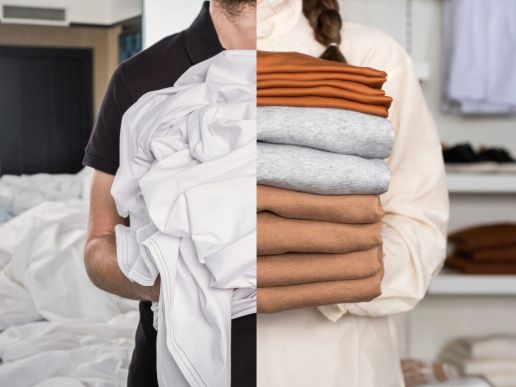
Recycling Textile Waste, Viable Solution or Short term plan?
The not-so-easy feat of Recycling Textile Waste
Guest article by Muchaneta Kapfunde, Founding Editor-in-Chief FashNerd
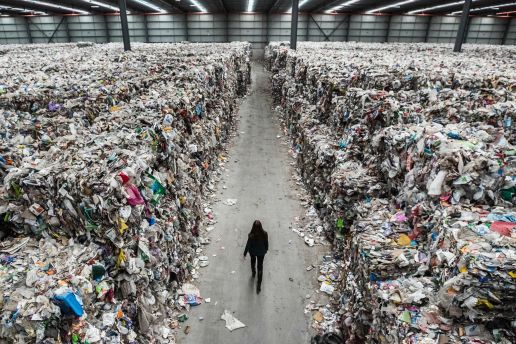
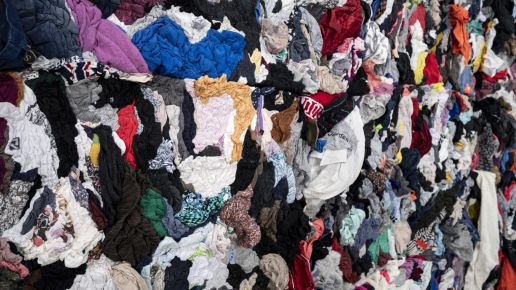
With the rapid global increase in textile waste caused by the growth of the clothing and textile industry and fast fashion among consumers, textile recycling has become paramount.
The problem is that recycling textile is not an easy feat.
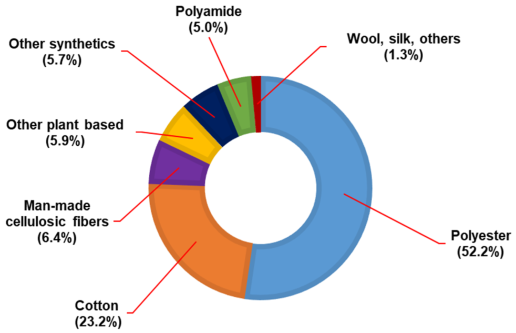
Many factors need to be considered. The most challenging obstacle to textile recycling is that the fabrics are often made from blended materials, and it is not easy to recycle mixed materials. This is mainly because each textile needs to be isolated before being effectively recycled. So as the fashion industry feels the pressure to move toward closed-loop production, what is the solution?
Picture credit: Rolling Stone
Picture credit: Pollima
Picture credit: MDPI
Game-Changing Solutions Explained
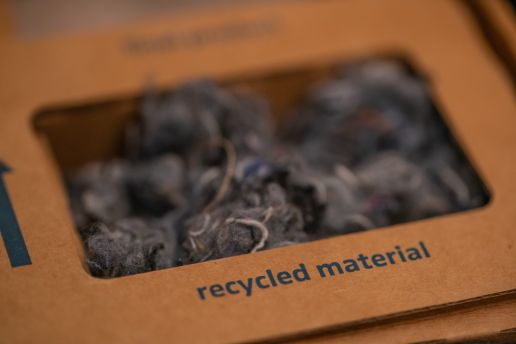
Well, with various groundbreaking methods in the works, like the Hong Kong Research Institute of Textiles and Apparel (HKRITA), who came up with a solution that makes it possible to recycle blended material into new fabrics and yarns without any quality loss. They can do this thanks to a hydrothermal (chemical) process.
Working together with H&M Foundation, they successfully developed a process that can fully separate and recycle cotton and polyester blends. The recovered polyester material can be reused directly, creating new benefits of recycling without any quality loss. The hydrothermal process uses only heat, water and less than 5% biodegradable green chemical to self-separate cotton and polyester blends. This fibre-to-fibre recycling method is cost-effective, and there’s no secondary pollution to the environment, ensuring the life of the recycled material is prolonged sustainably. The technology will be licensed widely to provide broad market access and maximum impact.
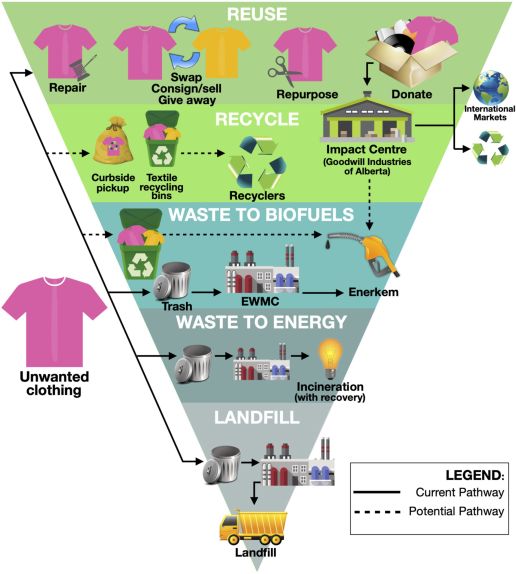
Picture credit: Sion Fraser University
Erik Bang, former Innovation Lead at H&M Foundation, shared:
“For too long, the fashion industry has not been able to recycle its products properly since there’s no commercially viable separation, sorting, and recycling technology available for the most popular materials such as cotton and polyester blends”. He continues, “This very encouraging finding has the potential to change that. We are very excited to develop this technology and scale it beyond the laboratory, which will benefit the global environment, people and communities.”
Then there is the Swedish company Södra. They have come up with a unique recycling solution that could influence how the fashion industry recycles its textiles.
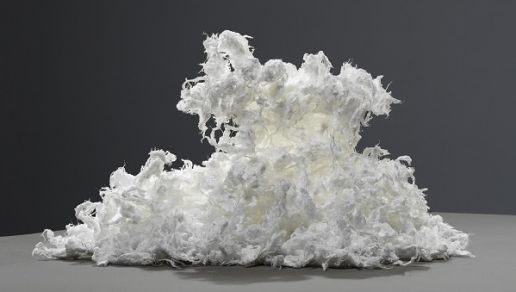
Designed to enable large-scale textile recycling, the Södra, a significant forestry cooperative based in Växjö, Sweden, has come up with a unique solution that solves this fundamental obstacle to the textile industry. The pioneering solution makes it possible to recycle textiles on a large scale.
Using its resources and expertise for an innovative textile recycling solution, Södra has found a way to recycle fibres from blended fabrics on a large scale. They did this by enabling circular flows in the fashion and textile industry.
Picture credit: Södra
“Södra also has aggressive sustainability targets. We are, therefore, seeking companies with high sustainability ambitions that would like to partner with us in the delivery of textiles. That will determine our start-up and future production capacity” says Helena Claesson, Project Manager Södra.
Explaining the process further, Johannes Bogren, President of Södra Cell Bio-products, shared: “We are now redrawing the fashion and textile industry map by offering circular flows of textile fibres. A sweater can now become a sweater again. This will create added value for our customers, especially the fashion industry.”
The Fashion for Good Full Circle Textiles Project turned to innovative recycling technologies to close the loop on textile waste. The project’s objective was to explore the potential to reduce the environmental impact of textile waste; the textile-to-textile recycling solution has the potential to eliminate the industry’s dependence on virgin raw materials.
Picture credit: Fashion for Good
Supported by C&A, Martha Willis, Senior Manager of Sustainable Materials and Circular Innovation at C&A says: “This project will help us all in understanding the barriers, impacts and opportunities in the chemical recycling of polyester and is an important foundation to C&A’s commitment to connecting principles of circularity to 7 out of 10 of our products by 2028.”
Focusing on investigating economically viable and scalable solutions, the Full Circle Textiles Project has accomplished their objective scale of disruptive innovation in the industry and the capability of chemical recycling to accelerate circularity.
“The next phase of the project focuses on scaling these solutions and encourages brands, innovators, and supply chain partners to create long-term partnerships, catalyse funding to enable scaling, and leverage industry expertise to develop and implement these technologies further,” says Fashion For Good.
The C&A supported project, which was launched in September 2020, was successfully executed. Read the outcomes and learnings of the project here.
Picture credit: Nord News
Picture credit: Eco Rebels
Picture credit: Nouryon
Conclusion
So is recycling textile waste a viable solution or short term plan?
I think that the aim should be to develop the infrastructure necessary to scale textile recycling, and to do this, fashion businesses need to take advantage of upcoming technological developments. By working together toward a common goal, we will get one step closer to a more sustainable textile recycling process, with the end goal of contributing to facilitating a circular economy.
About the author
Founding editor-in-chief of FashNerd.com, Muchaneta has worked in the fashion industry for over 14 years. She is currently one of the leading influencers speaking and writing about the merger of fashion with technology and wearable technology.
Muchaneta Kapfunde | editor@fashnerd.com
———————————————————————–
Discover further industry-disrupting innovations at our upcoming shows:
EVERY.BODY SS23 Trend #4 – Wild Wide World
Wild Wide World
The race to the metaverse
We are happy to present you the Spring.Summer 23 trend themes included in our MUNICH FABRIC START Trend Book. We hope the themes will give you the impression of what the next season will bring and that they will inspire you and spark new ideas for your future collections’ development.
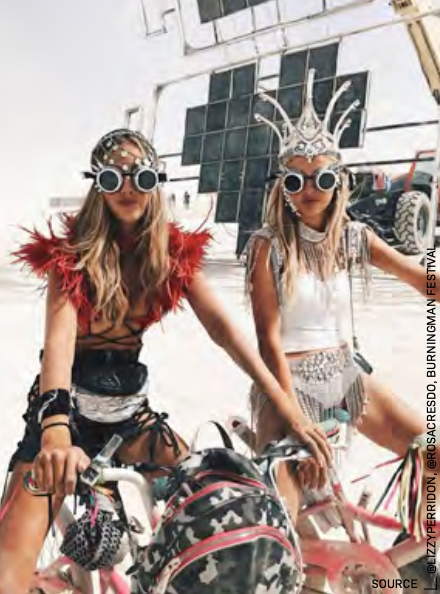
WILD.WIDE.WORLD is our 4th trend theme and frankly it tends to be slightly unexpected and a little wild… This is where minimalistic geometrical shapes are being overlaid with traditional patterns to create a cultural screenshot, and where artisanal and folkloric forces meet and race towards creativity.
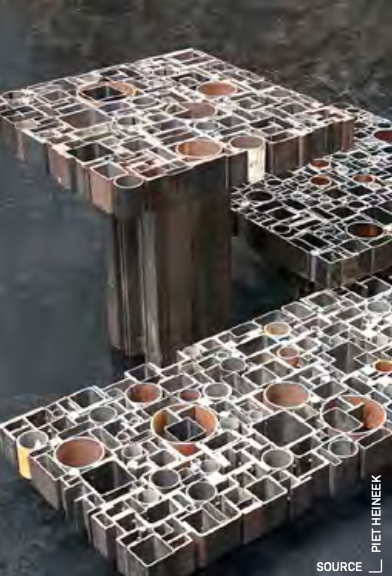
Quotes from the most diverse cultures of the real and virtual worlds are uninhibitedly mixed and tested

Which colours are of highest importance?
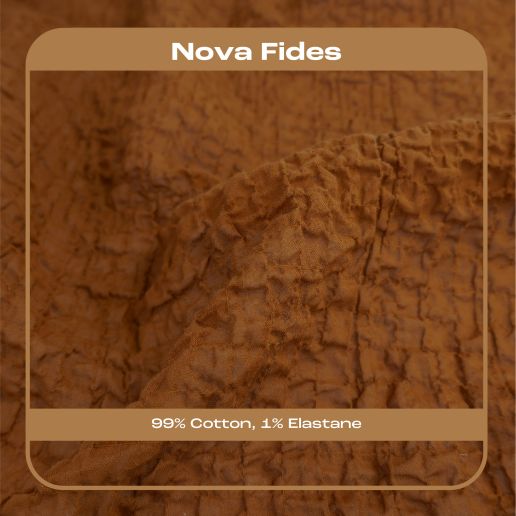
Apparently deep aubergine, dark indigo, earthy browns and blacks root us deeply into our homeland. Warm reds and oranges in the matte brilliance of natural pigments are also added to the palette. Urban accents are included with shining sand and cooper tones. Black is a flexible base colour – either washed out or in True black.
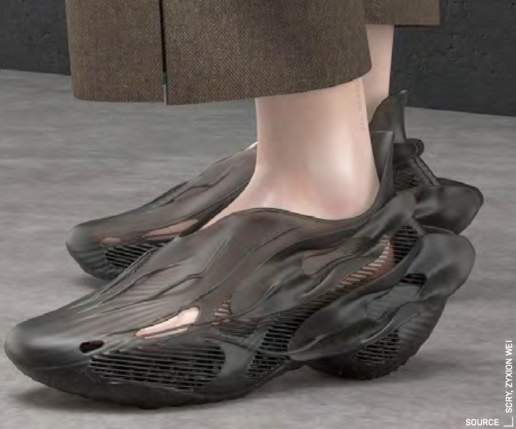
Bold fashion pioneers dive into phygital depths and bring back a style souvenir or two from there. Quotes from the most diverse cultures of the real and virtual worlds are uninhibitedly mixed and tested.
Prints, patterns & connection with nature
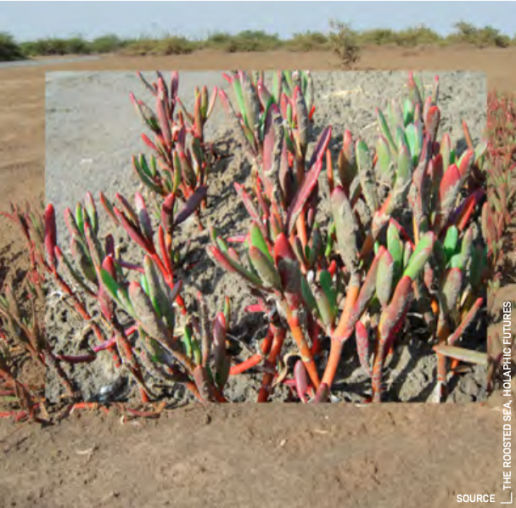
WILD.WIDE.WORLD theme is all about ritual motifs from healing and bonding ceremonies – and POWER. Animal prints reappear here like a mirage in a desert, offering an abstract alternative to pre-seasons in an artistic hand-painted style. Interwoven interpretations of patchwork in restrained colours underline the handcrafted character of the theme, while marbled and mineral prints confirm the connection to nature.
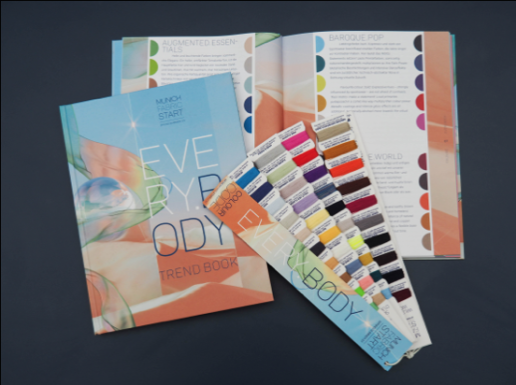
SPRING.SUMMER 23 TREND FORECAST
Last chance: SS 23 Trend Book & Colour Code – the optimal source of inspiration and information for your collection development.
READ MUNIQUE E-MAGAZINE ONLINE
The magazine offers insights with interviews, guest articles and innovative material from our international exhibitors.
Follow on
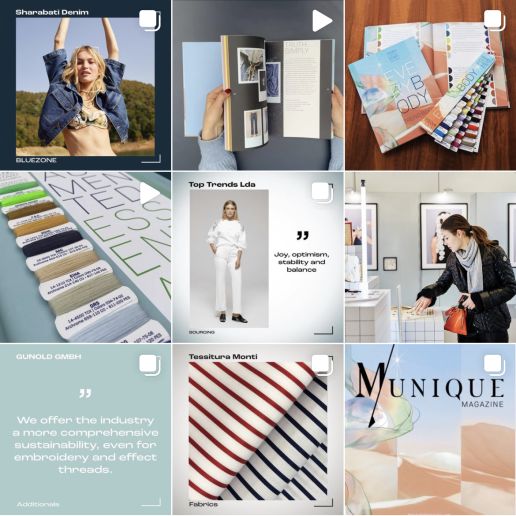

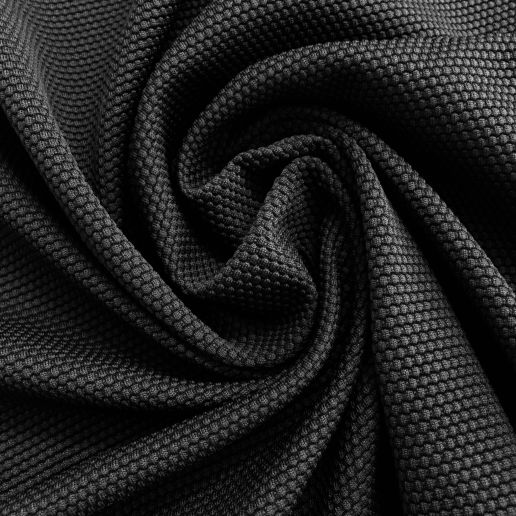
ReSOURCE Fabrics highlight the industry's buzzwords: traceable, closed-loop, low impact
ReSOURCE Fabrics Spring.Summer 23
#3
ReSOURCE is the sourcing platform for environmentally friendly and responsibly produced textiles, clothing and accessories. Search, discover and connect – all in one place. Source sustainable materials online at any time on www.resource-textiles.com
This season, we received more than 180 ReSOURCE materials – together with the samples for the Autumn.Winter 22/23 season, more than 560 innovative fabrics & additionals from 87 manufacturers are presented in our Brand & Material Search.
We have already introduced you to 10 other ReSOURCE Fabrics manufacturers in these two blog articles #1 & #2. Here are the next 5 most futuristic manufacturers with their sustainable developments for Spring.Summer 23 starring traceable or regenerated fabrics produced in a closed-loop or with eco-low chemical impact finishings:
- MANIFUTURA – Kadeks Tekstil
- Pastel by Yilmazipek
- Philea Textiles SAS
- Secen Tekstil
————————————————————————–
MANIFUTURA - Kadeks Tekstil
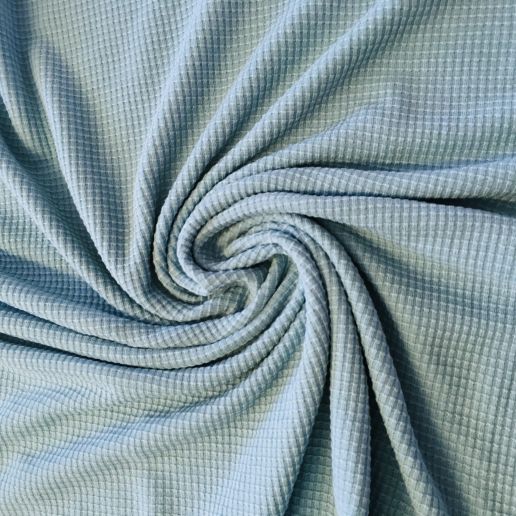
- Categories: Regenerated Celulosics
- Composition: 100% Lyocell
- Weight: 180 g/sqm
- Certifications: FSC
- Speciality: Carbon zero lyocell, help reduce CO2 emissions, closed-loop production process that converts wood pulp into cellulose fibers
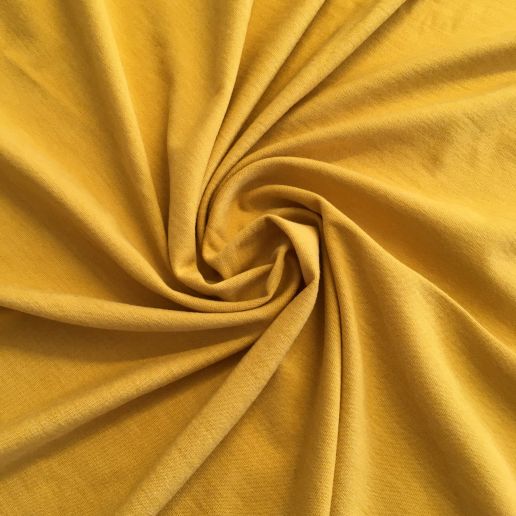
- Categories: Organic/Natural, Recycled
- Composition: 55% kbA Cotton, 45% rec Polyester
- Weight: 155 g/sqm
- Certifications: GRS, OCS BLENDED
- Speciality: kbA = controlled organic cultivation
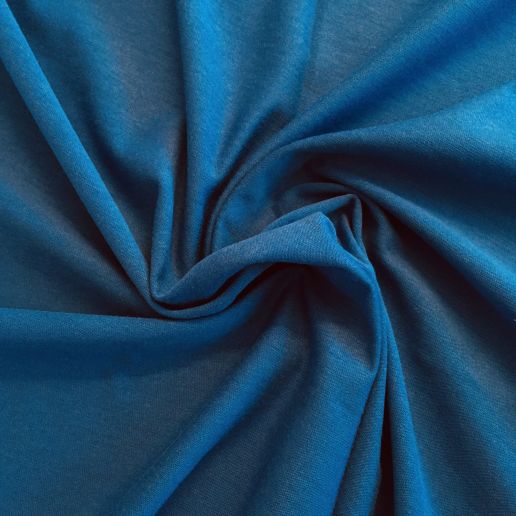
- Categories: GOTS, Organic/Natural
- Composition: 100% kbA Cotton
- Weight: 125 g/sqm
- Certifications: GOTS
- Speciality: kbA = controlled organic cultivation
Manifutura is a pioneer when it comes to sustainable textile materials – it has been producing organic and sustainable fabric since 1993.
Manifutura is committed to use 100% sustainable materials.
Egedeniz Group and Manifutura ensures that at least 98% of the materials used throughout the supply chain come from sustainable materials. Materials are classified as sustainability in accordance with the preferred fibers criteria set by the Textile Exchange – a global nonprofit which develops, manages, and promotes sustainable industry standards. By being vertical integrated, Manifutura can ensure that sustainability objectives can be followed throughout the supply chain.
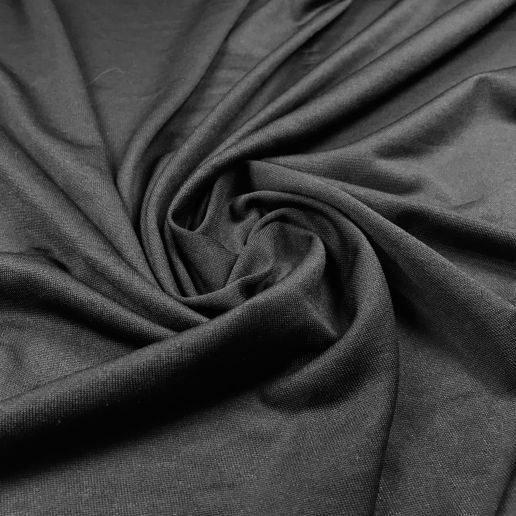
- Categories: Recycled
- Composition: 100% rec Polyester
- Weight: 70 g/sqm
- Certifications: GRS
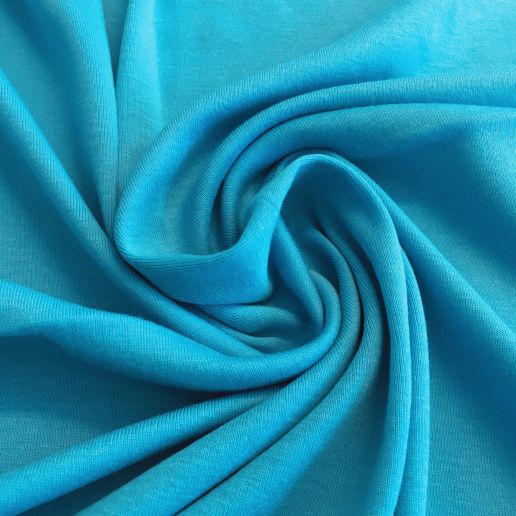
- Categories: Organic/Natural, Regenerated Celulosics
- Composition: 60% kbA Cotton, 40% Tencel®
- Weight: 155 g/sqm
- Certifications: FSC, OCS BLENDED
- Speciality: Production process with closed cresil run which converts wood pulp into cellulose fibers, kba = controlled organic cultivation
- Categories: Recycled
- Composition: 6% Elastane, 94% rec Polyamide
- Weight: 250 g/sqm
- Certifications: GRS
————————————————————————–
Pastel by Yilmazipek
Finding its inspiration in the rich textile heritage of Bursa, which has enclothed the world since time immemorial, Yılmazipek derives its strength from its creativity, its exacting production standards, experienced and dedicated team, and wholistic sustainability policies which respect man, nature and wellbeing of posterity.
Pastel’s core values? Integrity, Cooperation, quality, respect and fairness.
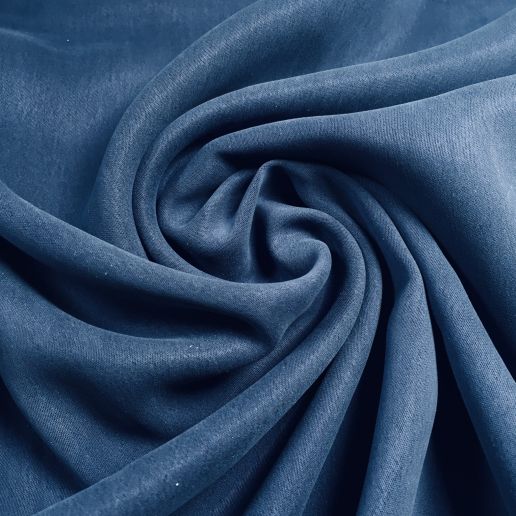
- Categories: Biodegradable, Regenerated Celulosics
- Composition: 100% Lyocell
- Weight: 160 g/sqm
- Speciality: Lyocell, a cellulose based chemical fiber, only one chemical used in a closed loop (min 95%).
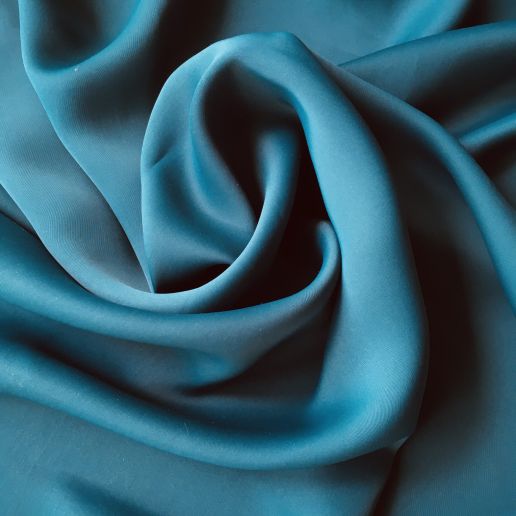
- Categories: Regenerated Celulosics
- Composition: 100% Acetate
- Weight: 160 g/sqm
————————————————————————–
Philea Textiles SAS
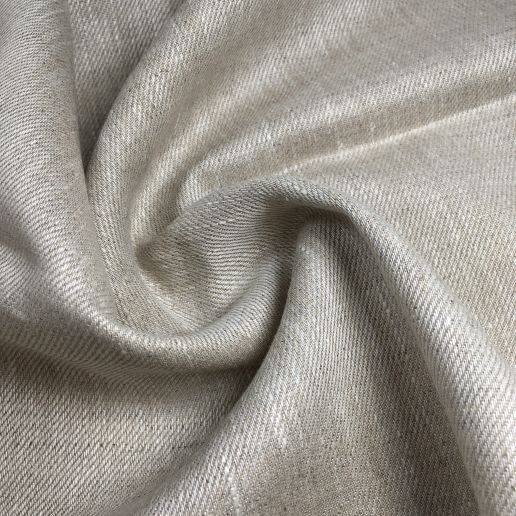
A large part of PHILEA‘s collection is dedicated to premium quality linen or linen blends (Tencel, viscose, cotton) that are both comfortable and cool. The company also offers easy wear and easy care cotton/polyamid mixes for a sporty and contemporary look. Besides, fluid satin and crepe in viscose or viscose/acetate as well as FSC/ECOVERO viscose make a look feel fresh.
The collection, entirely designed and produced in France, guarantees a fully traceable and environmentally friendly supply chain.
<< Masters of Linen – 100% Made in Europe. Traceable fabric: Linen from Normandy, dry-spun (no use of water), woven, and finished (without chemicals) in France.
- Categories: Biodegradable, Eco Finished
- Composition: 100% Linen
- Weight: 230 g/sqm
- Certification: STANDARD 100 by Oeko-Tex®
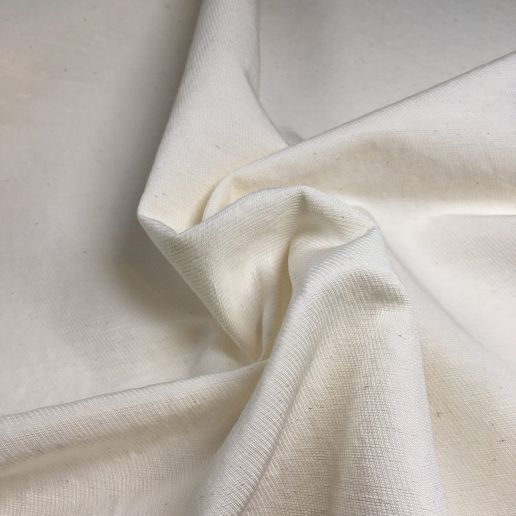
- Categories: GOTS, Organic/Natural, Regenerated Celulosics
- Composition: 40% Acetate, 29% Cotton, 31% Linen
- Weight: 190 g/sqm
- Certifications: FSC, STANDARD 100 by Oeko-Tex®
- Speciality: Organic cotton yarn used; linen from Terre de lin Inside
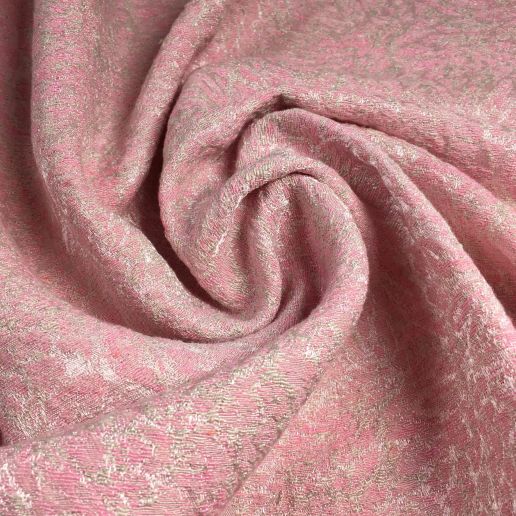
- Categories: Recycled, Regenerated Celulosics
- Composition: 33% Acetate, 33% Linen, 25% rec Cotton, 7% rec Polyester, 2% Other Fibers
- Weight: 215 g/sqm
- Certifications: FSC, STANDARD 100 by Oeko-Tex®
- Speciality: Rec. yarn is used; Linen from France: Terre de lin Inside
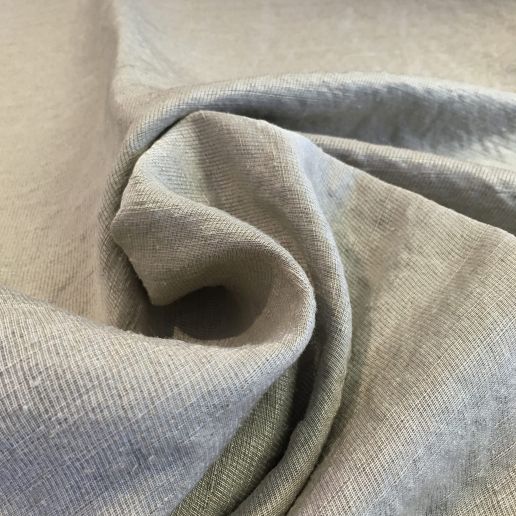
- Categories: Organic/Natural, Regenerated Celulosics
- Composition: 29% Acetate, 71% Linen
- Weight: 265 g/sqm
- Certifications: FSC, STANDARD 100 by Oeko-Tex®
- Speciality: Masters of Linen – 100% Made in Europe. Terre de Lin (inside) Traceable fabric: Linen from Normandy, dry-spun (no use of water), woven, and finished (without chemicals) in France
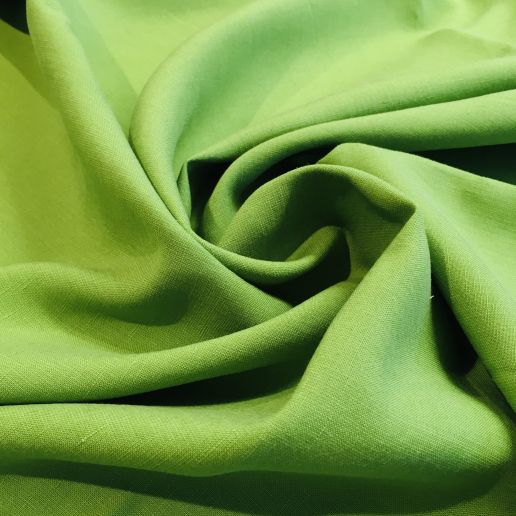
- Categories: Biodegradable, Eco Finished, Organic/Natural, Regenerated Celulosics
- Composition: 33% Linen, 67% Tencel®
- Weight: 210 g/sqm
- Certifications: STANDARD 100 by Oeko-Tex®
- Speciality: Tencel: cellulose based chemical fiber (Lenzing Technology: closed loop production process which transforms wood pulp into cellulosic fibers); Traceable fabric: Linen from Normandy, spun, woven, and finished in France. Eco-low chemical impact finishing, eco-traceability, eco-waterless.
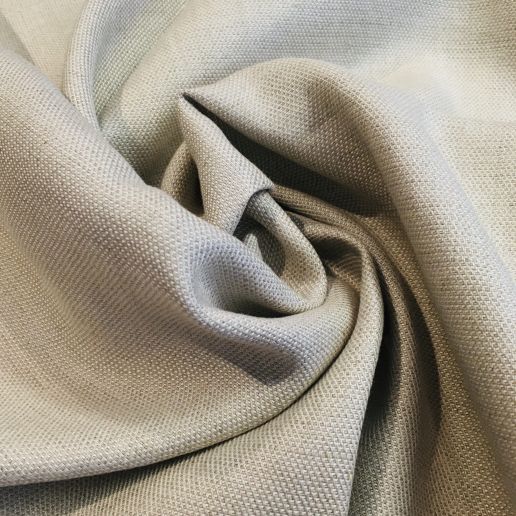
- Categories: Biodegradable, Eco Finished, Organic/Natural, Regenerated Celulosics
- Composition: 82% Linen, 18% Tencel®
- Weight: 250 g/sqm
- Certifications: STANDARD 100 by Oeko-Tex®
- Speciality: Tencel: cellulose based chemical fiber (Lenzing Technology: closed loop production process which transforms wood pulp into cellulosic fibers); Traceable fabric: Master of Linen (Made 100% in Europe), Linen from Normandy, spun, woven, and finished in France.Chemical-free finishing, natural colour.
————————————————————————–
Secen Tekstil
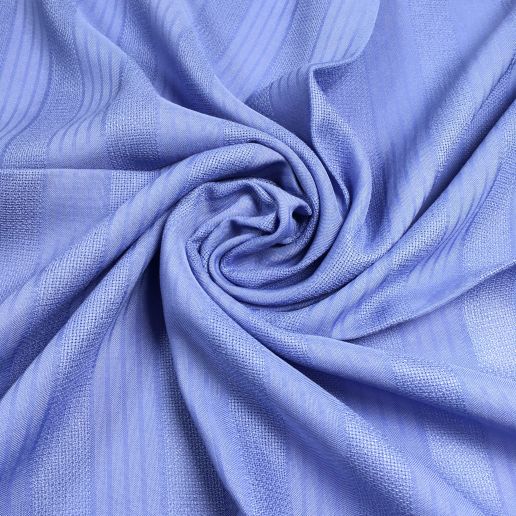
- Categories: Biodegradable, Regenerated Celulosics
- Composition: 93% ECOVERO™, 7% Rayon
- Weight: 127 g/sqm
- Certifications: FSC
- Speciality: Lenzing EcoVero derived from sustainable wood, 50% lower emissions & water impact compared to generic CV
Secen Tekstil constantly researches, follows and ponders new ways to reduce its carbon footprint.
When it comes to sustainability, yarn brands that have become the world’s standard are included in Secen’s production portfolio. Thanks to the collaborators such as Repreve, Ecovero, Naia, Viloft and Sorona, our products always get a passing grade from world clothing brands in terms of sustainability.
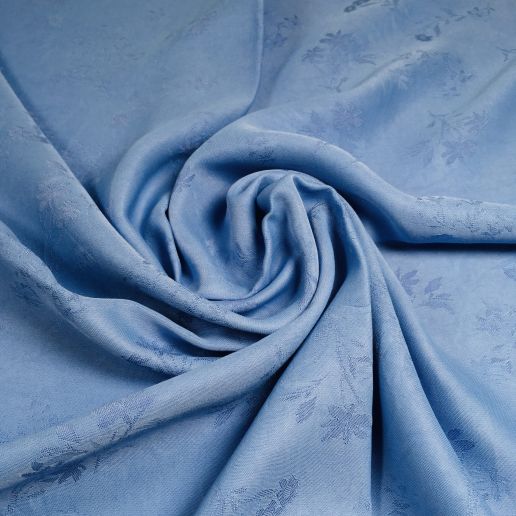
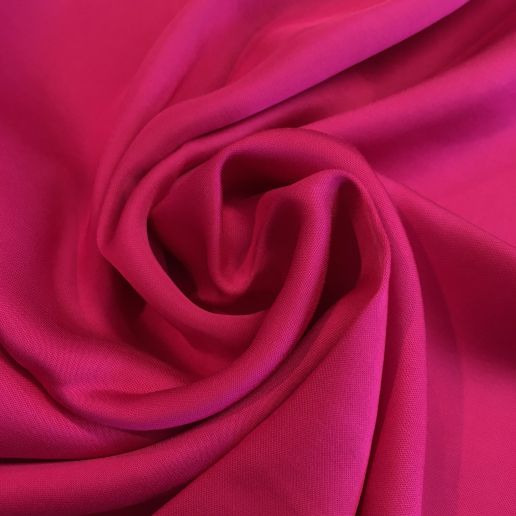
- Categories: Regenerated Celulosics
- Composition: 44% Naia™, 56% Viscose
- Weight: 139 g/sqm
- Certifications: FSC, STANDARD 100 by Oeko-Tex®
- Speciality: Eastman Naia™ cellulosic fiber, made with sustainably sourced wood.
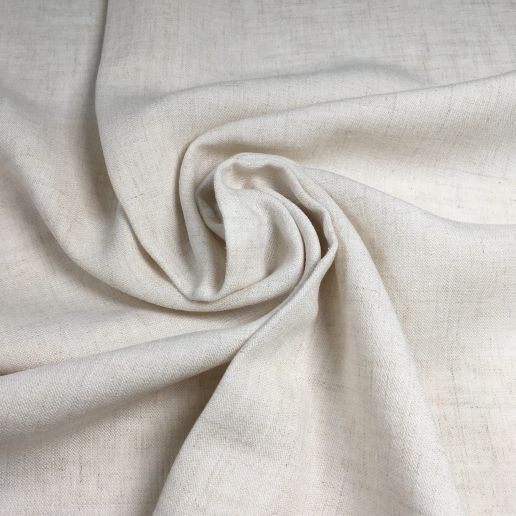
- Categories: Biodegradable, Regenerated Celulosics
- Composition: 57% ECOVERO™, 43% Rayon
- Weight: 153 g/sqm
- Certifications: EU Ecolabel, FSC
- Speciality: Lenzing EcoVero derived from sustainable wood, 50% lower emissions & water impact compared to generic CV
- Categories: Biodegradable, Regenerated Celulosics
- Composition: 30% Naia™, 25% Hemp, 45% Tencel®
- Weight: 185 g/sqm
- Certifications: FSC, STANDARD 100 by Oeko-Tex®
- Speciality: Eastman Naia™ cellulosic fiber, made with sustainably sourced wood.Tencel®: closed loop production process which transforms wood pulp into cellulosic fibers
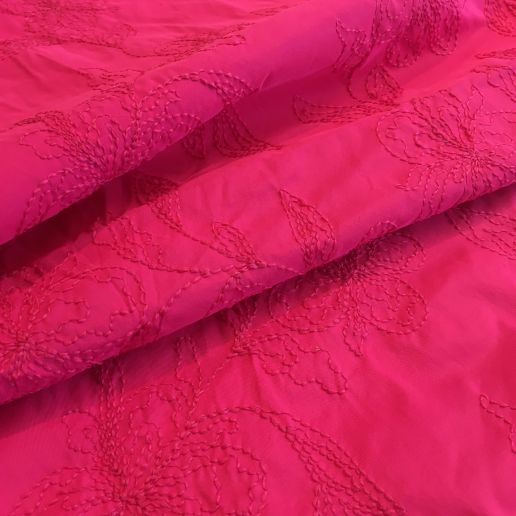
- Categories: Recycled
- Composition: 100% Repreve®
- Weight: 140 g/sqm
- Certifications: GOTS
- Speciality: Repreve® is a performance fiber from post-consumer plastic bottles & pre-consumer waste; Taffeta with Flower/Cicek embroidery
————————————————————————–
Sustainable Innovations #6: Wearable muscles by MotorSkins
MotorSkins' shape-changing soft-robotic textiles
SUSTAINABLE INNOVATIONS Spring.Summer 23 #6
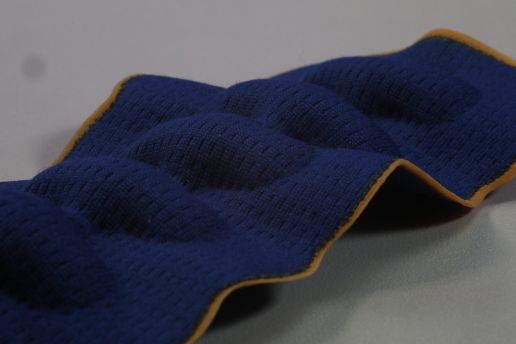
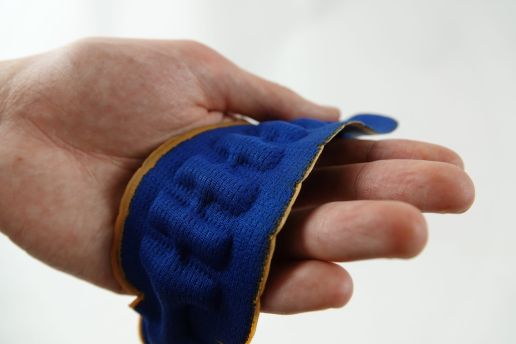
Innovative, intelligent, interactive: MotorSkins is a pioneering start-up in the field of shape-changing soft-robotic textiles. The Berlin-based company produces garments that help muscles move without any electronics such as batteries or motors – making them a pioneer in the industry. The first item produced is a compression garment for the legs.
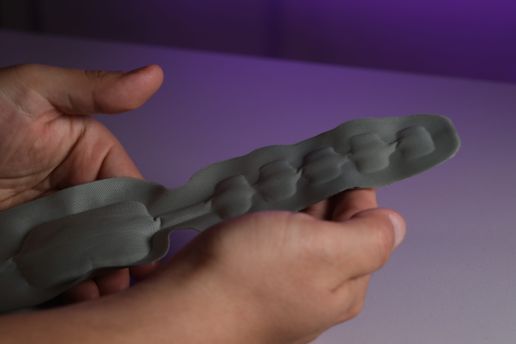
The special feature: the textiles are being stimulated by the movement of the users thanks to the new design and the innovative material. This creates a cycle: when the foot of the user compresses one part of the circuit against the floor (during a step), the pressure and volume are transferred to the active part, which powers it.
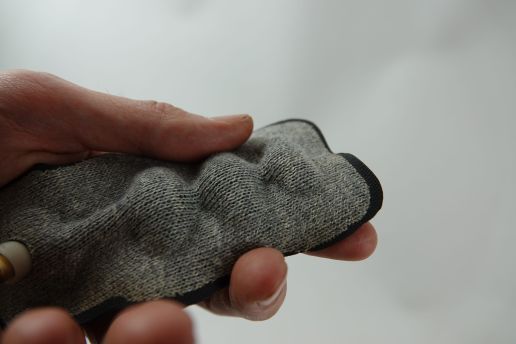
As an interface between sport, wellness and health, the start-up creates products that can be used medically, for relaxation or to support movement, depending on requirements. Currently, the young, international team at MotorSkins is working on textiles that are attached to the joints to make running easier – either for normal movements or also for illnesses. Inspired by nature, made for people.
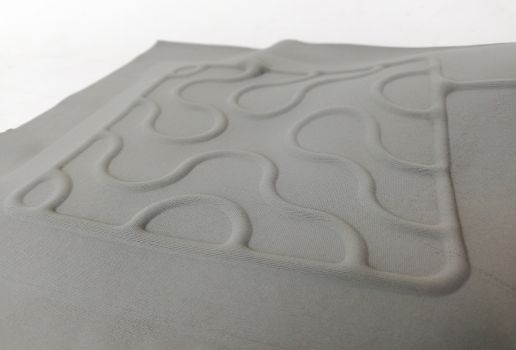
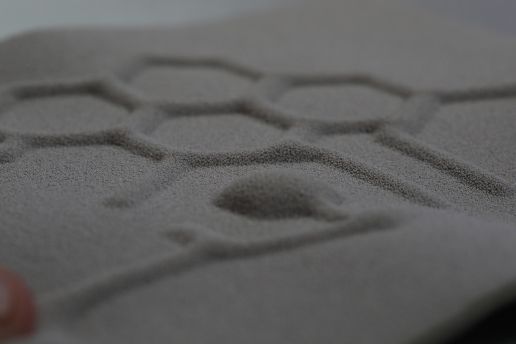
“MotorSkins technology bridges the functionality of soft-robotics with the versatility of textiles. We are a development platform for applications that explore human-machine interaction. Our technology creates a new paradigm of innovation in materials and sustainability where smart active elements are made without integrating electronics or batteries.”
– Juan Opitz-Silva
Follow on
For more information about SUSTAINABLE INNOVATIONS, see this interview with Simon Angel, curator of the Sustainable Innovations Forum, and the following articles:
“Pre-Action”: An interview with Simon Angel, curator of the Sustainable Innovations forum >>
“Biotic” by studio Lionne van Deursen >>
Flower matter by Irene Purasachit >>
Offcuts collection by Seok Park >>
Sunkolor by Panorama Fabrics >>